CM Dhami's REAP-Gramotthan Project Empowers Uttarakhand Women
Synopsis
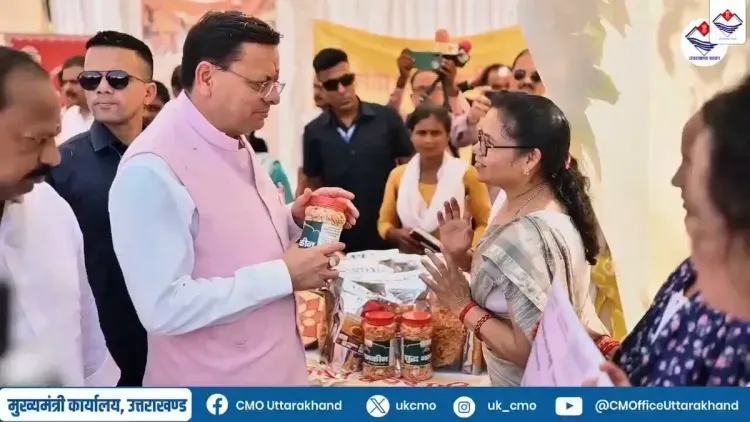
The Chief Minister's Office of Uttarakhand spotlighted the REAP-Gramotthan Project on September 27, 2026, crediting it with advancing CM Pushkar Singh Dhami's 'Sashakt Nari, Samriddh Pradesh' vision by making rural women economically self-reliant, particularly in Champawat district.
Key Takeaways
The CMO Uttarakhand posted on September 27, 2026 highlighting the REAP-Gramotthan Project's role in women's economic empowerment.
The initiative is directly linked to CM Pushkar Singh Dhami 's slogan 'Sashakt Nari, Samriddh Pradesh' ('Empowered Women, Prosperous State').
Champawat district in Uttarakhand is a focal implementation site for the REAP-Gramotthan Project.
The project works through women's self-help groups and local micro-enterprises to promote rural economic self-reliance.
Uttarakhand has sustained state investment in women's SHGs since the early 2010s , with the current government intensifying the political branding.
Verifiable metrics — budget, enrolment figures, income outcomes — remain unpublished and are expected in future budget or district reviews.
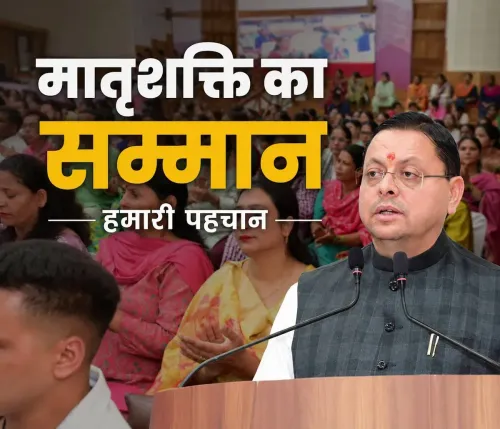
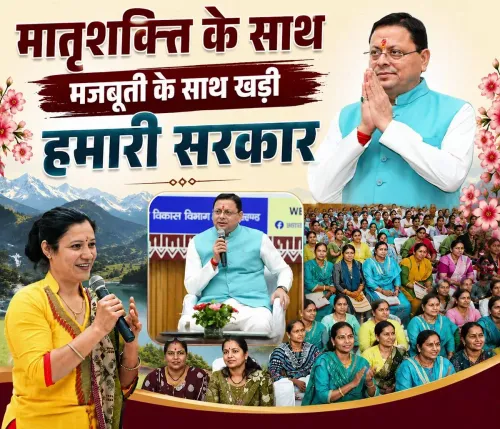
From the hills of Champawat to the broader valleys of Uttarakhand, rural women are quietly rewriting their economic stories — and a state-backed project is fuelling the shift. The Chief Minister's Office of Uttarakhand on Sunday, September 27, 2026, highlighted how the REAP-Gramotthan Project is translating Chief Minister Pushkar Singh Dhami's vision of 'Sashakt Nari, Samriddh Pradesh' ('Empowered Women, Prosperous State') into ground-level reality.
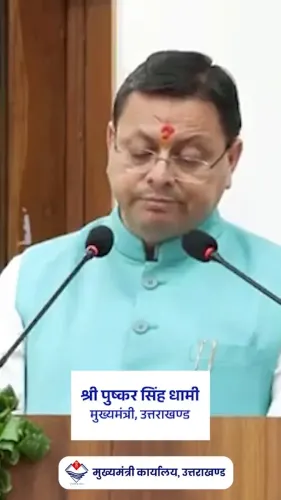
The CMO post stated: 'The REAP-Gramotthan Project is playing an important role in realising Chief Minister Pushkar Singh Dhami's resolve of 'Sashakt Nari, Samriddh Pradesh'. Women of Uttarakhand are becoming economically self-reliant and are also strengthening the local economy.' The post specifically spotlighted Champawat district as a focal point of the initiative's implementation.
What REAP-Gramotthan Does on the Ground in Champawat
The REAP-Gramotthan Project functions as a rural development initiative anchored in women's self-help groups (SHGs) and local micro-enterprises across Uttarakhand's districts. Champawat — a mountainous border district in the Kumaon division — has been highlighted as a key site where the project is visibly active. The model follows a well-established template: pool women into collectives, extend institutional support, and link them to markets so their labour translates into sustainable income. Uttarakhand has a history of state investment in women's SHGs stretching back to the early 2010s under successive governments. CM Dhami's current administration has framed this continuity around a sharper political slogan, tying female economic self-reliance directly to the state's broader prosperity agenda.Women's Collectives as Economic Architecture
This is not a story unique to Uttarakhand — Indian states have run parallel rural livelihood missions since the early 2000s, channelling both central and state funds into women's collectives for micro-enterprises. What Uttarakhand's current approach does is package that structural machinery under a unified political brand, making the district-level outcomes legible as part of a CM-level promise. The framing matters. When women in a place as remote as Champawat generate income through state-supported enterprise, the effect compounds: household purchasing power rises, local markets thicken, and migration pressure on mountain communities can ease — even if modestly. The government's message is that this virtuous cycle is already moving. The metrics that would confirm how far and how fast — exact budget allocations, SHG enrolment numbers, and income-generation data from REAP-Gramotthan — have not been published in verifiable public record. Those figures, expected in upcoming state budget sessions or district-level reviews, will determine whether the project's momentum matches its ambition.Point of View
Samriddh Pradesh' framing represents a deliberate effort to consolidate existing SHG-based rural livelihood infrastructure under a single, CM-branded political identity — a pattern increasingly common among state governments seeking to claim credit for long-running central-state welfare architectures. Champawat's prominence in the messaging is telling: the district is a CM Dhami political constituency of particular symbolic importance, making its selection as a showcase site as much a political signal as an administrative choice. The real test will come when the state tables auditable outcome data — income levels, SHG survival rates, market linkages — that can separate programme performance from political narrative. Until then, REAP-Gramotthan sits at the intersection of genuine policy continuity and strategic image-building.
NationPress
27 Sept 2026
Frequently Asked Questions
What is the REAP-Gramotthan Project in Uttarakhand?
The REAP-Gramotthan Project is an Uttarakhand rural development initiative that supports women's self-help groups and local micro-enterprises, particularly in districts like Champawat, to promote female economic self-reliance.
What does 'Sashakt Nari, Samriddh Pradesh' mean?
'Sashakt Nari, Samriddh Pradesh' is a Hindi slogan used by Uttarakhand CM Pushkar Singh Dhami that translates to 'Empowered Women, Prosperous State', articulating his government's goal of linking women's economic independence to the state's overall prosperity.
Which district is highlighted for women empowerment under the Gramotthan project?
Champawat district in Uttarakhand has been specifically highlighted by the Chief Minister's Office as a focal site for REAP-Gramotthan Project implementation.
How long has Uttarakhand been running women's self-help group programmes?
Uttarakhand has invested in women's self-help groups since the early 2010s under successive state governments, with the current Dhami administration continuing and rebranding this approach.
What are the outcomes of the REAP-Gramotthan Project so far?
Specific metrics such as budget allocations, enrolment figures, and income-generation outcomes for the REAP-Gramotthan Project have not been published in verifiable public record as of September 2026; these figures are expected in upcoming state budget sessions or district reviews.