CM Dhami Highlights Nainital's Rural Economy Growth
Synopsis
The Chief Minister's Office of Uttarakhand says the state's rural economy is scaling new heights under CM Pushkar Singh Dhami through agriculture, horticulture, animal husbandry, water conservation, and women's empowerment — citing Nainital district as a five-year model of success.
Key Takeaways
The Chief Minister's Office of Uttarakhand posted on 9 July 2026 highlighting rural economic progress under CM Pushkar Singh Dhami .
Nainital district was specifically cited as a strong example of integrated rural development over the past five years .
Five sectors were named: agriculture, horticulture, animal husbandry, water conservation, and women's empowerment .
Uttarakhand's Organic Mission , launched from 2017 , underpins the state's push for natural and certified farming suited to its hill ecology.
Women's self-help groups and dairy-linked animal husbandry are core pillars of the state's rural livelihood strategy.
District-level surveys and the 2026-27 state budget will be key markers for whether this model is being scaled across other hill districts.
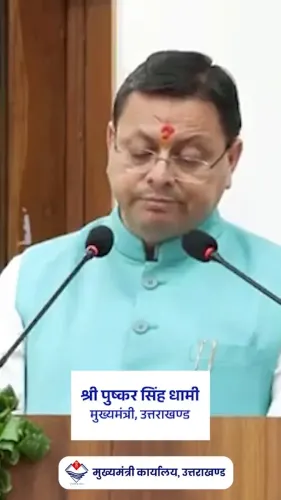
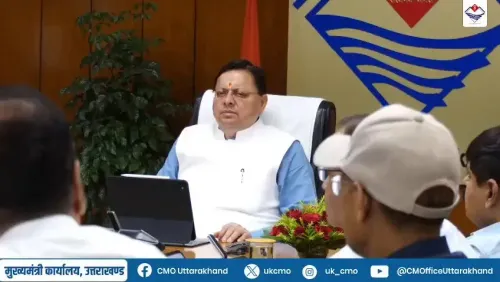
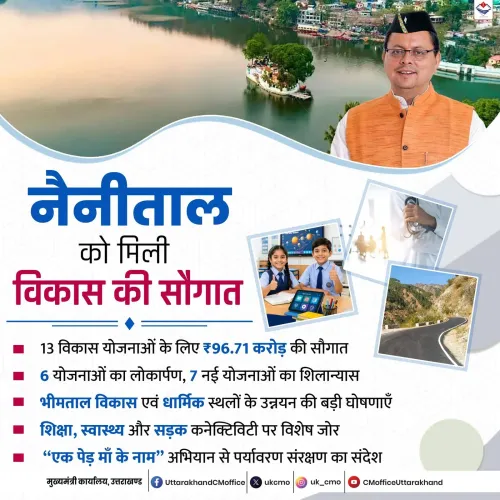
The Chief Minister's Office of Uttarakhand, on Thursday, 9 July 2026, highlighted that the state's rural economy is advancing across agriculture, horticulture, animal husbandry, water conservation, and women's empowerment under the leadership of Chief Minister Pushkar Singh Dhami. The post cited Nainital district as a compelling example of this transformation over the past five years.
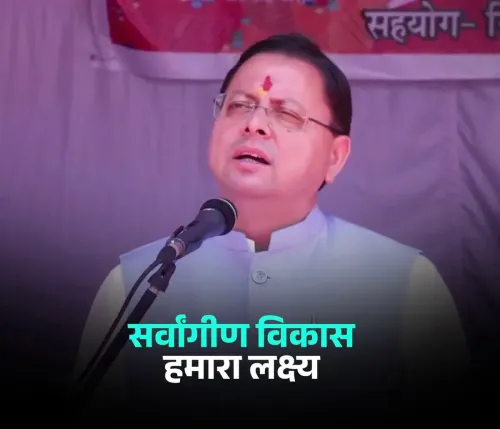
The official post stated — 'मुख्यमंत्री श्री पुष्कर सिंह धामी के नेतृत्व में उत्तराखण्ड की ग्रामीण अर्थव्यवस्था नई ऊंचाइयों की ओर बढ़ रही है' — meaning: 'Under the leadership of Chief Minister Pushkar Singh Dhami, Uttarakhand's rural economy is moving towards new heights.' Nainital, which blends a prominent tourism economy with extensive rural agricultural and horticultural zones, was specifically named as a 'strong example' of this progress.
Context
Uttarakhand, a Himalayan state formed in 2000, has consistently faced structural economic challenges including out-migration from rural villages and climate-related agricultural stress. The state's hill geography makes conventional farming difficult, pushing successive governments to promote diversified livelihoods — spanning organic farming, fruit cultivation, dairy, and watershed management — as pillars of rural income. Nainital district sits at the intersection of the state's tourism corridor and its agrarian heartland. Beyond the lake town, the district encompasses forested hills and rural settlements where farming and allied activities remain the primary source of livelihood for a significant portion of the population.Policy Backdrop
Under Chief Minister Dhami, who has led the state since March 2021, Uttarakhand has pursued an integrated approach to rural development. The state had earlier launched an Organic Mission from 2017 onward, establishing certification frameworks to promote natural and organic farming, particularly suited to the hill ecology where chemical-intensive agriculture is both costly and environmentally risky. Women's self-help groups have been central to the state's rural strategy, channelling credit, skill training, and market linkages to women in remote villages. Animal husbandry — particularly dairy and small ruminants — and water conservation through watershed programmes have been positioned as complementary pillars to agricultural income, addressing both livelihood and ecological resilience.Stakeholders and Impact
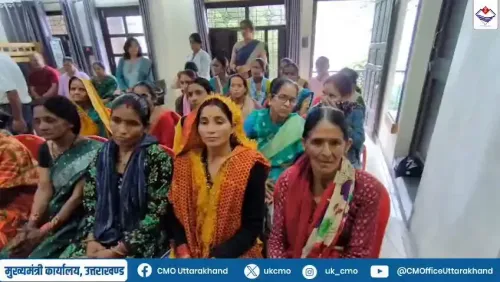
The primary beneficiaries of these programmes are rural farmers, women self-help groups, and horticulture growers across Uttarakhand's hill districts. For communities in Nainital, the integration of multiple income streams — seasonal crops, fruit orchards, dairy, and tourism-linked enterprises — offers a buffer against the volatility of any single sector. Women's empowerment, specifically cited in the post, reflects a broader state policy of directing scheme benefits and institutional credit toward female-led households, which are disproportionately represented in hill villages due to male out-migration. Water conservation initiatives also carry long-term significance for a state whose rivers and springs are under increasing climate pressure.What's Next
The government's framing of Nainital as a five-year benchmark suggests the district may feature prominently in upcoming state-level assessments and budget discussions. District-level economic surveys for Nainital and any rural scheme expansions announced in the 2026-27 state budget will be key indicators of whether the integrated rural model is being formally scaled across other hill districts. The broader test for Uttarakhand's rural economy model lies in whether gains in horticulture, dairy, and women-led enterprises can be sustained and replicated in more remote, higher-altitude districts facing sharper climate and connectivity challenges.Point of View
Horticulture, animal husbandry, water conservation, and women's empowerment into a single narrative, the state is projecting an integrated model that counters the long-standing critique that hill-state rural programmes remain siloed and poorly coordinated. The emphasis on women's empowerment also aligns with a broader national trend of directing flagship scheme credit toward female beneficiaries in states with high male out-migration. Whether Nainital's cited progress translates into replicable outcomes in more remote, higher-altitude districts will be the real test of the Dhami administration's rural economy credentials.
NationPress
7 Oct 2026
Frequently Asked Questions
What is Uttarakhand doing to develop its rural economy?
Uttarakhand is pursuing an integrated rural development strategy under CM Pushkar Singh Dhami that spans agriculture, horticulture, animal husbandry, water conservation, and women's empowerment, with Nainital district cited as a key example of this approach over the past five years.
Why is Nainital district important for Uttarakhand's rural economy?
Nainital combines a tourism economy with extensive rural agricultural and horticultural zones, making it a representative district for testing integrated livelihood models that blend farming, dairy, and women-led enterprises.
What is Uttarakhand's Organic Mission?
Uttarakhand's Organic Mission, promoted from 2017 onward, established certification and support frameworks for natural and organic farming, particularly suited to the state's hill ecology where chemical-intensive agriculture is costly and environmentally risky.
How does women's empowerment feature in Uttarakhand's rural policy?
Women's self-help groups are a central pillar of Uttarakhand's rural strategy, receiving credit, skill training, and market linkages — a priority driven partly by high male out-migration from hill villages.
What should we watch for next in Uttarakhand's rural development?
District-level economic surveys for Nainital and rural scheme expansions in the 2026-27 Uttarakhand state budget will indicate whether the integrated rural model is being formally scaled to other hill districts.