CM Nayab Saini Breaks Ground on ₹120 Cr Rest House in Kurukshetra
Synopsis
Haryana CM Nayab Singh Saini broke ground on a ₹120 crore, three-building PWD rest house in Kurukshetra on 21 November 2026, with a 24-month deadline, while also flagging Geeta Dwar construction and Jyotisar development as state priorities.
Key Takeaways
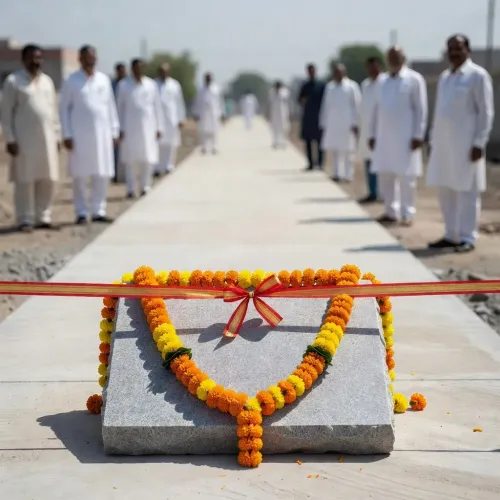
Haryana CM Nayab Singh Saini performed the bhoomi pujan for a ₹120 crore PWD rest house in Kurukshetra on 21 November 2026 .
The complex will comprise three buildings specifically designed for pilgrims and visitors.
The project has a completion target of 24 months .
The state government listed development of the 48 kos pilgrimage circuit , construction of a Geeta Dwar , and upgrading Jyotisar as additional priorities.
Jyotisar is traditionally identified as the site where Lord Krishna delivered the Bhagavad Gita .
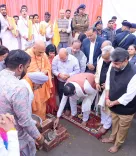
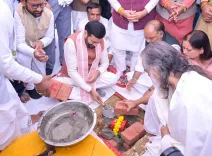
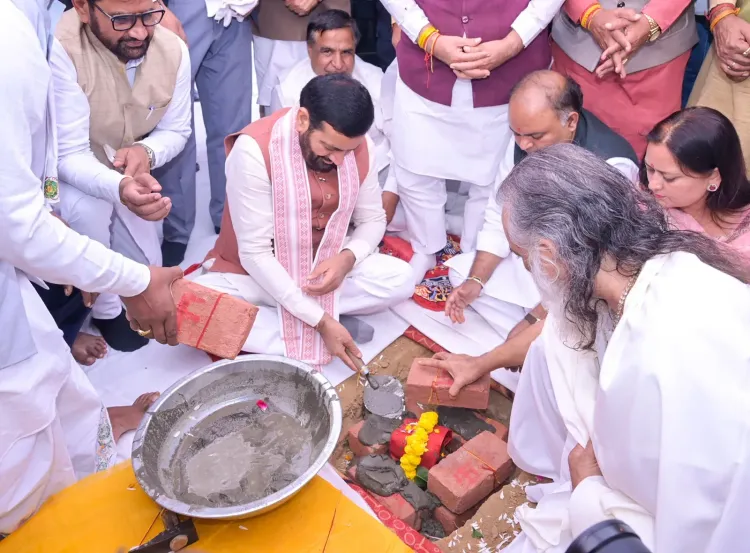
A ₹120 crore modern rest house complex rose from the sacred soil of Kurukshetra on Saturday, 21 November 2026, as Haryana Chief Minister Nayab Singh Saini performed the formal bhoomi pujan (ground-breaking ceremony) for a new Public Works Department rest house — signalling the state government's intent to transform one of Hinduism's most storied pilgrimage towns into a world-class visitor destination.
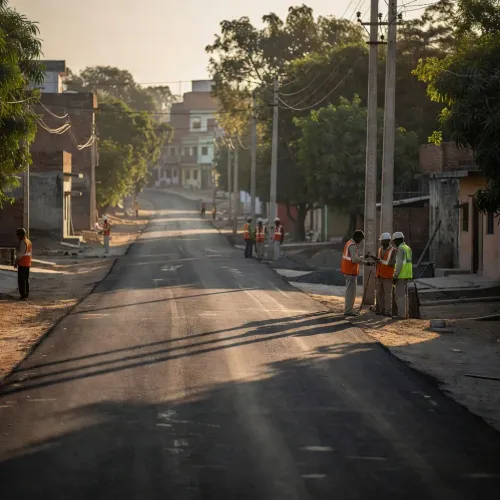
The CM announced that three separate buildings will be constructed within the complex, with facilities specifically designed for pilgrims and visitors. The project carries a completion deadline of 24 months from the date of ground-breaking.
Three Buildings, One Vision for Pilgrims
Posting on X in Hindi, Saini described the ceremony as 'dharmanagari Kurukshetra mein vikas aur janseva ke naye adhyaya ki shuruaat' — 'the beginning of a new chapter of development and public service in the holy city of Kurukshetra.' The three-building complex under the Haryana Public Works Department is designed to ease the perennial pressure on visitor accommodation at a site that draws hundreds of thousands of pilgrims annually.
Kurukshetra's draw is ancient and powerful: it is the battlefield of the Mahabharata and, more importantly for the devout, the precise location where Lord Krishna delivered the Bhagavad Gita to Arjuna. That theological weight means infrastructure here carries significance well beyond a standard PWD project.
48 Kos Circuit, Geeta Dwar, and Jyotisar on the Priority List
The rest house is only one piece of a larger development blueprint Saini outlined. He listed three additional priorities: the planned development of the 48 kos area — the vast traditional pilgrimage circuit surrounding Kurukshetra that encompasses dozens of sacred tanks and shrines — the construction of a Geeta Dwar (a ceremonial gateway dedicated to the Bhagavad Gita), and the development of Jyotisar, the sacred grove traditionally identified as the precise spot where the Gita was narrated.
Jyotisar already hosts a heritage banyan tree believed by tradition to have stood witness to the Gita's delivery, alongside a marble chariot tableau. Any development there carries both religious and heritage-conservation stakes that will be watched closely by pilgrims and scholars alike.
A Pattern of Pilgrim Infrastructure Investment in Haryana
This ground-breaking continues a well-established pattern in Haryana's approach to religious tourism: successive state governments have periodically invested in upgraded amenities at ancient pilgrimage centres, treating them as both cultural assets and economic engines for surrounding districts. Kurukshetra district in particular has been the focus of periodic master-planning efforts that seek to balance modern visitor infrastructure with the preservation of its layered heritage landscape.
With a ₹120 crore outlay and a firm 24-month clock now ticking, the real test will be whether the bulldozers and blueprints deliver before the next major pilgrimage season — because in Kurukshetra, the faithful do not wait.
Point of View
Personally performing the bhoomi pujan reinforces his visibility as an active, development-focused CM in a state the party won in 2024. The simultaneous mention of the Geeta Dwar and 48 kos area signals that this is not a one-off project but part of a broader Kurukshetra master plan whose execution timeline will now invite public scrutiny. Whether the state's PWD machinery can deliver all three components within the announced horizons will ultimately determine whether the optics translate into governance credit.
NationPress
21 Nov 2026
Frequently Asked Questions
What is the ₹120 crore project in Kurukshetra announced by Nayab Singh Saini?
It is a modern Public Works Department rest house complex in Kurukshetra, comprising three buildings designed for pilgrims and visitors, with a construction budget of ₹120 crore and a 24-month completion target.
What is the 48 kos area in Kurukshetra?
The 48 kos area is the traditional pilgrimage circuit surrounding Kurukshetra, encompassing dozens of sacred tanks, shrines, and heritage sites that pilgrims have traversed for centuries.
What is Jyotisar in Kurukshetra?
Jyotisar is a sacred grove in Kurukshetra traditionally identified as the exact spot where Lord Krishna delivered the Bhagavad Gita to Arjuna, and it already hosts a heritage banyan tree and a marble chariot tableau.
What is the Geeta Dwar that CM Saini mentioned?
Geeta Dwar is a proposed ceremonial gateway dedicated to the Bhagavad Gita that the Haryana government has listed as a development priority in Kurukshetra.
When will the Kurukshetra PWD rest house be completed?
The Haryana government has set a target of 24 months from the ground-breaking ceremony on 21 November 2026, putting the expected completion around late 2028.