CM Dhami's Gramotthan Project Empowers Rural Women in Pithoragarh
Synopsis
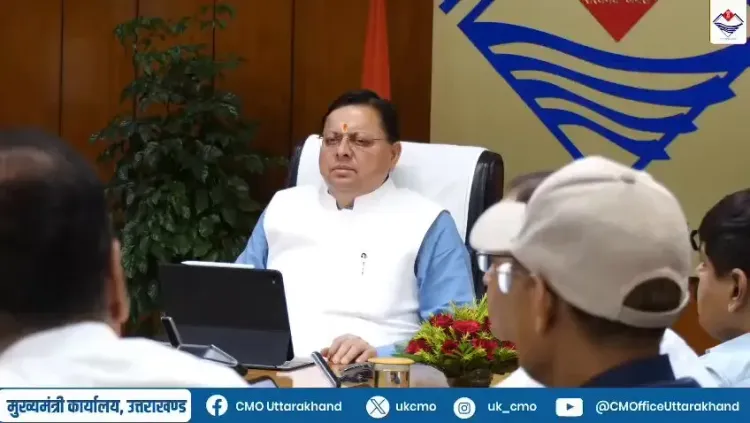
The Uttarakhand Chief Minister's Office says the Gramotthan Project, guided by CM Pushkar Singh Dhami, is connecting rural women in Pithoragarh to self-employment opportunities, targeting the hill district's long-standing out-migration and economic vulnerability.
Key Takeaways
The Gramotthan Project is a Uttarakhand state scheme focused on village upliftment through self-employment linkages for rural women.
It operates under the guidance of Chief Minister Pushkar Singh Dhami , who has led the state since 2021.
Pithoragarh , a remote district bordering China and Nepal, is a primary focus area of the initiative.
The project aligns with the National Rural Livelihood Mission (2011) , which promotes self-help groups and enterprise support for women across India.
Uttarakhand's hill districts face structural out-migration, making women-centred self-employment schemes a key policy response.
State budget allocations and expansion to additional districts remain a key indicator of the programme's long-term scale.
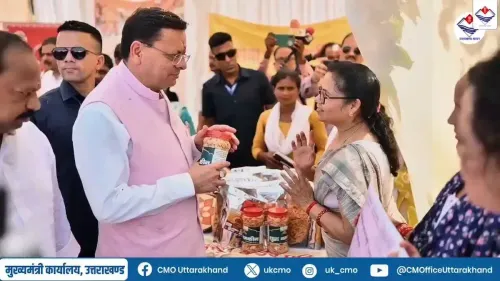
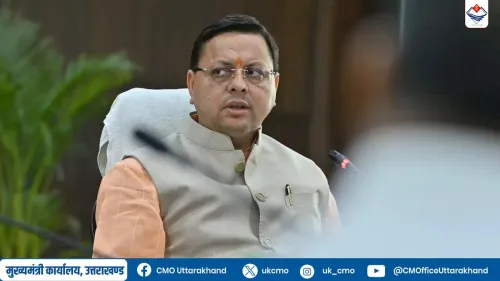
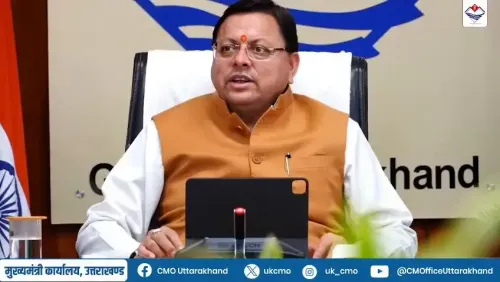
In the high-altitude villages of Pithoragarh — a district that borders both China and Nepal and has long battled the quiet crisis of out-migration — women are finding a reason to stay and build. The Chief Minister's Office of Uttarakhand announced on Wednesday, October 21, 2026, that the Gramotthan Project, operating under the guidance of Chief Minister Pushkar Singh Dhami, is actively linking rural women to self-employment, advancing the state's push toward economic self-reliance at the grassroots.
What Gramotthan Is Doing in the Hills
The Gramotthan Project — gramotthan meaning 'village upliftment' in Hindi — is a Uttarakhand state initiative designed to generate livelihood opportunities in remote rural communities. Its focus on women and self-employment places it squarely within a broader national framework: the National Rural Livelihood Mission (NRLM), launched in 2011, which promotes self-help groups and enterprise linkages for women across Indian states.
What distinguishes the Uttarakhand approach is its geographic targeting. Districts like Pithoragarh — hilly, sparsely connected, and historically dependent on subsistence farming — face structural disadvantages that generic national programmes rarely address directly. The Gramotthan Project, as described by the Chief Minister's Office, represents the state's attempt to tailor that national blueprint to the specific realities of Himalayan terrain.
Out-Migration, and Why Self-Employment Is the Answer
Uttarakhand's hill districts have bled population for decades. Men leave for cities and the armed forces; villages grow older and quieter. Women, who disproportionately remain, carry the weight of agriculture and household economy with shrinking support. Successive state governments have run rural livelihood schemes to arrest this trend — and the Dhami administration's Gramotthan initiative continues that lineage.
By creating pathways to self-employment, the project aims to convert rural women from passive recipients of welfare into active economic agents. The model — combining state support with local enterprise development — is one several hill states have tested, with mixed but often meaningful results at the village level.
Pithoragarh as a Proving Ground
Pithoragarh district, with its predominantly rural and hilly population and its strategic position on two international borders, is both a difficult test case and a symbolically significant one. Progress here signals a commitment to reaching the state's most remote citizens — not just those in accessible valleys.
The coming months will be telling. Analysts tracking Uttarakhand's rural development will watch whether the state's budget allocations back the Gramotthan Project's expansion to additional districts, and whether implementation delivers measurable livelihood outcomes on the ground.
For the women of Pithoragarh's villages, the programme is less about policy optics and more about a concrete question: can the mountains sustain a living? The Dhami government is betting they can.
Point of View
High-altitude districts effectively. For CM Dhami, whose political credibility is tied closely to development delivery in Uttarakhand's difficult terrain, publicising women-centric self-employment progress in a border district like Pithoragarh carries both welfare and electoral weight. The focus on female self-reliance also positions the state within a national narrative of 'Atmanirbhar Bharat,' lending the programme rhetorical alignment with central government priorities. The real test, however, lies in verifiable outcomes — beneficiary numbers, income data, and district-level expansion — details that official posts rarely surface.
NationPress
21 Oct 2026
Frequently Asked Questions
What is the Gramotthan Project in Uttarakhand?
The Gramotthan Project is a state government initiative in Uttarakhand aimed at village upliftment, primarily by linking rural women to self-employment opportunities. It operates under the guidance of Chief Minister Pushkar Singh Dhami.
Which district is the Gramotthan Project currently active in?
Pithoragarh district in northern Uttarakhand, bordering China and Nepal, is a highlighted focus area of the Gramotthan Project, as announced by the Chief Minister's Office on October 21, 2026.
How does Gramotthan relate to the National Rural Livelihood Mission?
The Gramotthan Project draws from the framework of the National Rural Livelihood Mission (NRLM), launched in 2011, which promotes self-help groups and self-employment linkages for rural women across Indian states including Uttarakhand.
Why is self-employment important for women in Uttarakhand's hill districts?
Uttarakhand's hill districts, including Pithoragarh, have faced prolonged out-migration, leaving women as the primary economic actors in villages. Self-employment schemes help them generate income locally and reduce economic vulnerability.
Who is Pushkar Singh Dhami?
Pushkar Singh Dhami is the Chief Minister of Uttarakhand, serving since 2021. He oversees the state's rural development and women empowerment programmes, including the Gramotthan Project.