Uttarakhand CMO: Gramotthan Scheme Empowers Rural Women in Chamoli
Synopsis
The Chief Minister's Office of Uttarakhand on June 14, 2026, spotlighted the Gramotthan Pariyojana as an effective vehicle for rural women's self-reliance, with Chamoli district cited as a key implementation area under the Atmanirbhar Bharat agenda.
Key Takeaways
The Chief Minister's Office of Uttarakhand promoted the Gramotthan Pariyojana on June 14, 2026 as a women's empowerment initiative.
Chamoli district , a hilly, rural area in the Garhwal region, is a focal implementation zone for the scheme.
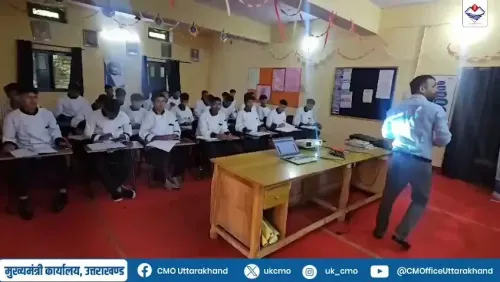
The scheme aims to make rural women self-reliant through livelihood activities and micro-enterprise support.
It is positioned as a state-level contribution to the national Atmanirbhar Bharat agenda launched in 2020 .
The initiative builds on the Deendayal Antyodaya Yojana – NRLM framework, which has supported women's SHGs in Uttarakhand since 2011 .
Expansion to additional districts and release of outcome data remain key developments to watch.
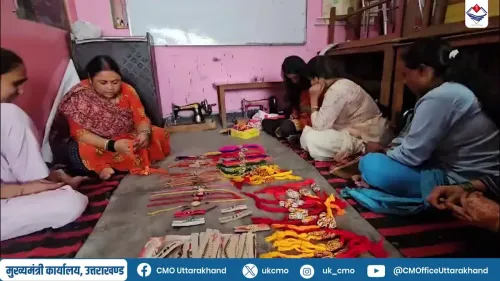
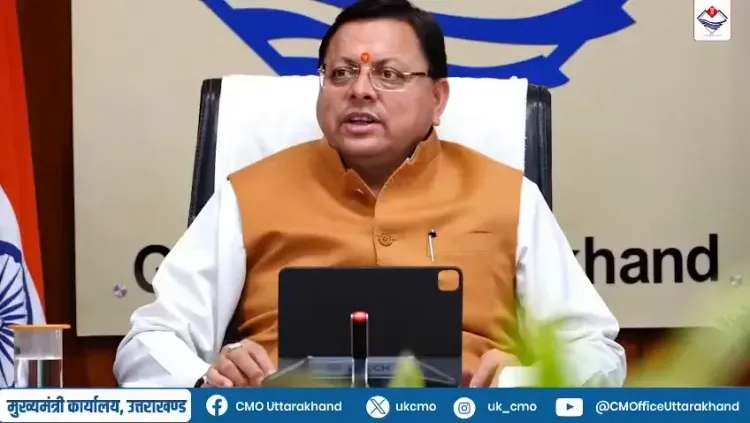
The Chief Minister's Office of Uttarakhand on Sunday, June 14, 2026, highlighted the state government's Gramotthan Pariyojana as an effective vehicle for making rural women self-reliant, with Chamoli district cited as a focus area of the initiative.
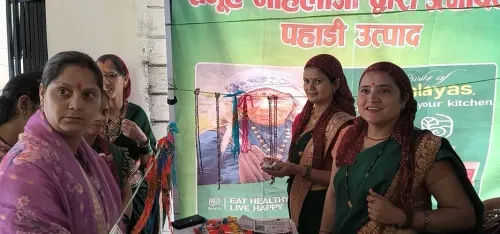
The post, shared in Hindi, stated: 'Sarkar ki Gramotthan Pariyojana gramin mahilaon ko aatmanirbhar banane ka prabhavi madhyam ban rahi hai' — 'The government's Gramotthan Pariyojana is becoming an effective means of making rural women self-reliant.' The message was accompanied by a video and tagged under #AatmanirbharBharat, #WomenEmpowerment, #Chamoli, and #Uttarakhand.
Context
Chamoli is a predominantly rural, hilly district in the Garhwal region of Uttarakhand, where terrain and limited connectivity have historically constrained livelihood options for women. The Gramotthan Pariyojana is a Government of Uttarakhand initiative aimed at promoting livelihood activities and self-reliance among village communities. The scheme targets women in such geographically challenging districts as a priority demographic.
Policy Backdrop
The Gramotthan Pariyojana builds on a longer lineage of rural livelihood programming in Uttarakhand. The Deendayal Antyodaya Yojana – National Rural Livelihoods Mission (DAY-NRLM), launched in 2011, laid the groundwork by supporting the formation of women's self-help groups (SHGs) across the state for economic activities ranging from handicrafts to agri-processing.
Indian hill states have run targeted programmes since the 2010s specifically to reduce out-migration — a structural challenge in Uttarakhand — by generating local income opportunities through micro-enterprises and skill training. The Uttarakhand government has framed the Gramotthan scheme as a state-level contribution to the national Atmanirbhar Bharat agenda, announced in 2020, which calls for building economic self-sufficiency from the grassroots up.
Stakeholders and Impact
The primary beneficiaries are rural women in districts like Chamoli, many of whom belong to self-help groups that serve as the delivery mechanism for training, credit linkage, and market access under such schemes. For these communities, participation in livelihood programmes can translate into supplementary household income and reduced dependence on seasonal male migration to plains cities.
Broader stakeholders include the state's rural development departments, SHG federations, and panchayat bodies that coordinate implementation at the village level. The video shared alongside the post is expected to document on-ground beneficiary experiences, lending a human dimension to the policy communication.
What's Next
Observers will watch whether the Gramotthan Pariyojana is expanded to additional districts beyond Chamoli and whether the next Uttarakhand state budget includes a dedicated allocation or performance targets for the scheme. The release of verifiable outcome data — such as the number of women enrolled, income gains recorded, and SHGs activated — will be key to assessing the programme's actual reach. As Uttarakhand approaches its next electoral and budgetary cycle, rural women's welfare schemes are likely to remain a central plank of the state government's public communication.
Point of View
Localised outcomes rather than broad policy pronouncements. By invoking the Atmanirbhar Bharat hashtag alongside a state scheme, the government is threading its programmes into the national BJP policy vocabulary, a pattern common among BJP-ruled states seeking alignment with the Centre's development branding. The absence of specific outcome metrics in the communication, however, leaves the claim of effectiveness unverified, a gap that opposition voices and civil society groups are likely to probe. Whether the Gramotthan Pariyojana delivers measurable income gains for SHG members will ultimately determine if this communication translates into political capital at the grassroots.
NationPress
13 Sept 2026
Frequently Asked Questions
What is the Gramotthan Pariyojana in Uttarakhand?
The Gramotthan Pariyojana is a Government of Uttarakhand initiative designed to promote livelihood activities and economic self-reliance among rural communities, with a particular focus on women in hilly districts like Chamoli.
Which district is highlighted under the Gramotthan scheme?
Chamoli , a rural and hilly district in the Garhwal region of Uttarakhand, has been highlighted by the Chief Minister's Office as a key area where the Gramotthan Pariyojana is being implemented.
How does Gramotthan Pariyojana relate to Atmanirbhar Bharat?
The Uttarakhand government frames the Gramotthan Pariyojana as a state-level contribution to the national Atmanirbhar Bharat agenda launched in 2020, which promotes grassroots economic self-sufficiency.
What role do self-help groups play in Uttarakhand's rural women schemes?
Self-help groups (SHGs) serve as the primary delivery mechanism for rural livelihood schemes in Uttarakhand, providing women with access to skill training, credit linkage, and market connections — a model supported since 2011 under the Deendayal Antyodaya Yojana – NRLM.
Why is women's empowerment a focus in Uttarakhand's hill districts?
Hill districts in Uttarakhand face high rates of male out-migration, leaving women as primary household managers. Targeted livelihood programmes aim to generate local income opportunities for women, reducing economic vulnerability and dependence on migration.