Uttarakhand CMO Pushes Skill Dev, Self-Employment in Chamoli
Synopsis
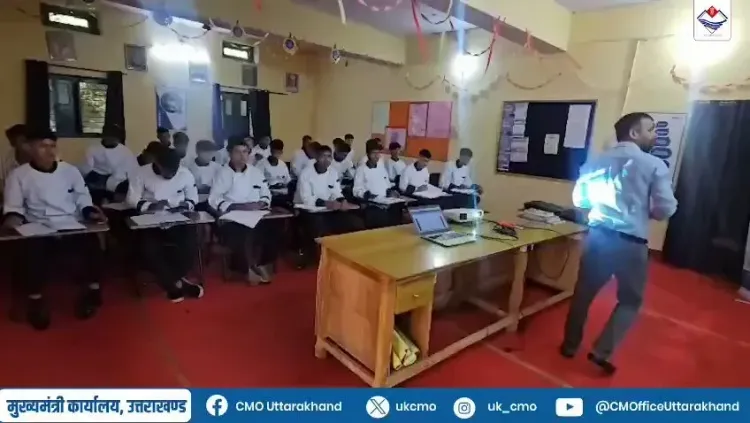
The Chief Minister's Office of Uttarakhand on 4 July 2026 spotlighted the state's continuous drive to build youth skills and promote self-employment, with Chamoli district highlighted as a key focus area in the government's district-level welfare outreach.
Key Takeaways
The Chief Minister's Office of Uttarakhand posted on 4 July 2026 reaffirming the state's commitment to youth skill development and self-employment.
Chamoli district in Garhwal was specifically highlighted, signalling a district-level outreach push.
The state's efforts complement the national Skill India Mission launched in 2015 and the Pradhan Mantri Kaushal Vikas Yojana .
CM Pushkar Singh Dhami has prioritised youth employment since taking office in 2021 .
Uttarakhand's skill programmes target sectors including tourism, agriculture, and MSMEs to curb youth out-migration from hill districts.
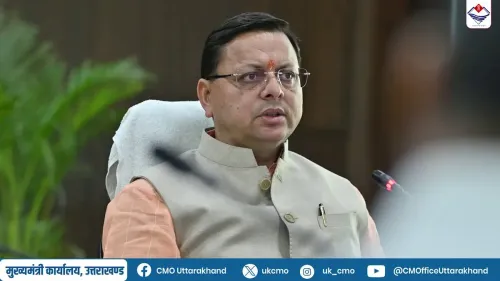
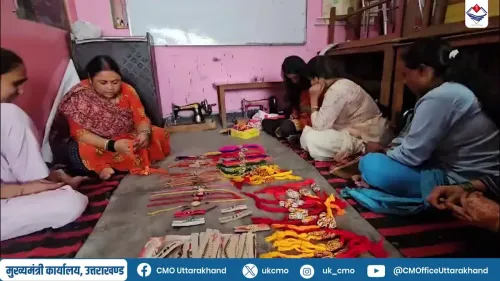
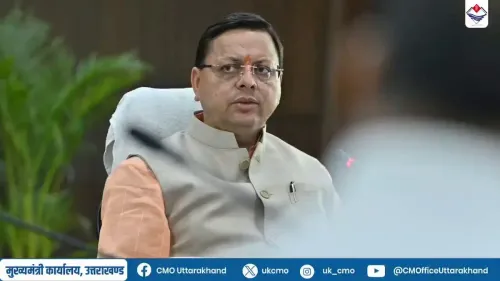
The Chief Minister's Office of Uttarakhand on Saturday, 4 July 2026, reaffirmed the state government's commitment to youth skill development and self-employment, spotlighting outreach in Chamoli district as part of ongoing efforts to build local livelihoods across the hill state.
Context
The post, shared in Hindi, states: 'Uttarakhand sarkar yuvaon ke kaushal vikas aur unhe swarozgar se jodne ke liye nirantar prayasrat hai' — ('The Uttarakhand government is continuously working to develop the skills of youth and connect them with self-employment'). The mention of Chamoli signals a district-level push, consistent with the state's pattern of taking welfare programmes directly to remote Garhwal communities.
Chamoli is a predominantly rural district in the Garhwal division of Uttarakhand, where access to formal employment is limited and out-migration among youth has historically been high. State-led skill and self-employment drives are therefore particularly consequential in such geographies.
Policy Backdrop
Uttarakhand's skill development push operates alongside the national Skill India Mission, launched in 2015, which has sought to train millions of Indian youth in industry-relevant trades and promote entrepreneurship. The Pradhan Mantri Kaushal Vikas Yojana (PMKVY), a flagship component of that mission, provides short-term skill training and certification to young job-seekers across the country, including in hill states.
Chief Minister Pushkar Singh Dhami, in office since 2021, has consistently positioned youth employment and skill-building as priorities for his administration. The state has sought to align district-level outreach with central scheme frameworks, particularly in sectors such as tourism, agriculture, and micro and small enterprises — all of which carry significant weight in Uttarakhand's economy.
Stakeholders and Impact
The primary beneficiaries of these programmes are young people in Uttarakhand's rural and semi-urban areas, especially in districts like Chamoli where livelihood options within the state are scarce. Skill certification and self-employment linkages can reduce the pressure on youth to migrate to plains cities in search of work, helping stabilise local communities.
Indian hill states have long grappled with demographic hollowing — a cycle in which working-age youth leave for urban centres, weakening local economies and social fabric. State-run skill initiatives, when integrated with market linkages in tourism and the MSME sector, offer a structural response to this challenge.
What's Next
Observers will watch for further announcements of district-level training centres or formal integration of Uttarakhand's skill programmes with its tourism and MSME policy frameworks. The Chamoli reference may indicate a broader district-by-district rollout, with future communications likely to detail specific training trades, beneficiary counts, or partnership arrangements with industry.
The state government's sustained public messaging on skill development suggests this will remain a visible policy theme in the months ahead, particularly as Uttarakhand positions itself for growth in experiential tourism and green economy sectors.
Point of View
Sustained communications strategy that frames skill development as a counter to the state's chronic youth out-migration problem — a politically salient issue in hill constituencies. By naming Chamoli specifically, the government signals district-level penetration of welfare schemes, a messaging tactic that builds local political capital while projecting administrative reach. This fits a broader national pattern in which BJP-governed hill states amplify central skill missions through state-level branding to claim ownership of employment outcomes. The real test will be whether district-level outreach translates into verifiable placement and self-employment numbers.
NationPress
3 Oct 2026
Frequently Asked Questions
What is the Uttarakhand government doing for youth skill development?
The Uttarakhand government is running continuous skill development and self-employment programmes for youth, with district-level outreach including in Chamoli, aligned with national schemes like the Pradhan Mantri Kaushal Vikas Yojana.
Why is Chamoli district mentioned in Uttarakhand's skill development post?
Chamoli is a rural Garhwal district where youth out-migration is high and local employment options are limited, making it a priority target for the state's skill and self-employment outreach.
What is the Skill India Mission and how does it relate to Uttarakhand?
The Skill India Mission, launched in 2015, is a national programme to train youth in industry-relevant skills. Uttarakhand's state-level skill initiatives complement this mission, particularly for youth in remote hill districts.
Who is the Chief Minister of Uttarakhand and what is his stance on youth employment?
Pushkar Singh Dhami has been Chief Minister of Uttarakhand since 2021 and has consistently prioritised youth employment and skill-building as key policy goals for his administration.
How does Uttarakhand plan to reduce youth out-migration from hill districts?
The state government aims to reduce out-migration by linking youth with skill certification and self-employment opportunities in sectors like tourism, agriculture, and MSMEs through district-level programme rollouts.