Uttarakhand CMO Highlights Push on Jobs, Self-Employment
Synopsis
The Chief Minister's Office of Uttarakhand on July 4, 2026 spotlighted the state's push on employment, self-employment, and skill development — sectors central to curbing youth out-migration from its hill districts and building local livelihoods through schemes like the Mukhya Mantri Swarozgar Yojana and Skill India.
Key Takeaways
The Chief Minister's Office of Uttarakhand posted on July 4, 2026 highlighting momentum in employment, self-employment, and skill development.
Uttarakhand has long faced youth out-migration from hill districts, making local livelihood creation a strategic state priority.
The state implements the Mukhya Mantri Swarozgar Yojana , offering subsidised loans and project support to rural and semi-urban entrepreneurs.
District-level training centres aligned with the National Skill Development Policy 2015 and Skill India Mission form the backbone of the state's skilling infrastructure.
Key focus sectors include tourism, handicrafts, horticulture, IT services, and renewable energy — all suited to the state's mountain geography.
Upcoming state budget allocations and assembly session outcomes will indicate whether the current momentum leads to measurable reductions in out-migration.
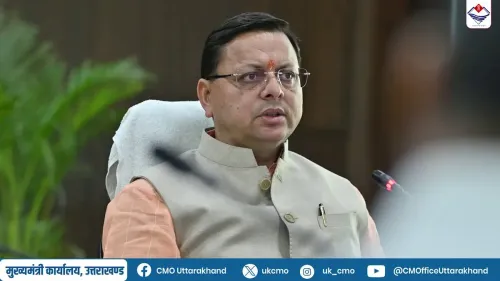
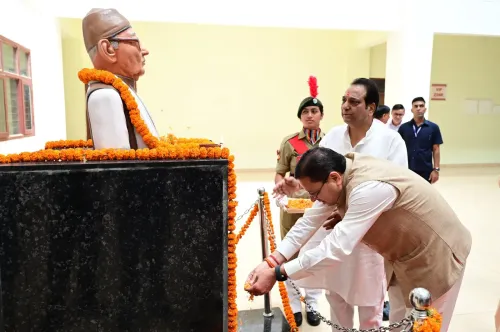
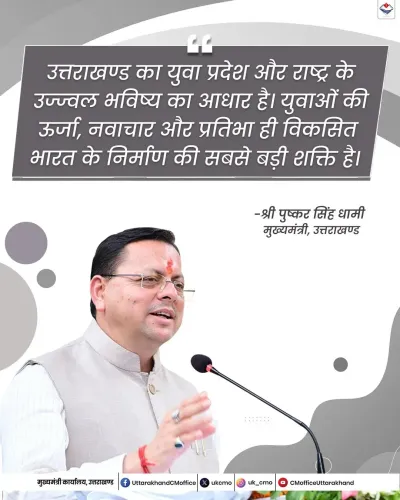
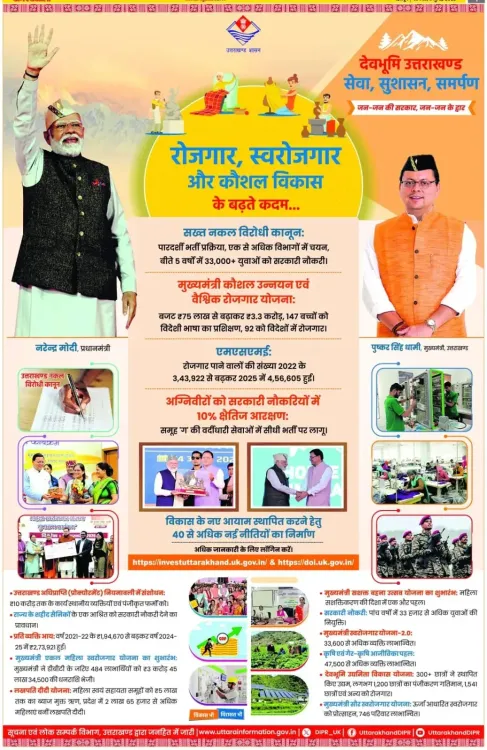
The Chief Minister's Office of Uttarakhand on Saturday, July 4, 2026, spotlighted the state government's ongoing drive on employment generation, self-employment support, and skill development, sharing a post that underscored the momentum of these initiatives across the hill state.
The post, captioned 'Rojgar, swarozgar aur kaushal vikas ke badhte kadam' ('Growing strides in employment, self-employment, and skill development'), signals the state administration's intent to keep livelihoods at the centre of its public communication ahead of what are expected to be active policy months.
Context
Uttarakhand has for decades grappled with one of India's most persistent out-migration challenges, with young people from hill districts moving to plains cities in search of work. The state's rugged terrain limits large-scale industrial investment, making skill-linked self-employment a strategic priority rather than a supplementary one. Successive governments have framed employment policy around sectors that suit the state's geography — tourism, handicrafts, horticulture, IT services, and renewable energy.
Policy Backdrop
Uttarakhand has aligned its employment architecture with the National Skill Development Policy of 2015 and the broader Skill India Mission, setting up district-level training centres and certification pipelines. The state's own Mukhya Mantri Swarozgar Yojana provides subsidised loans and project support to entrepreneurs, with a focus on rural and semi-urban applicants in tourism, agriculture, and small industry. Budget announcements as far back as 2017-18 expanded self-employment subsidies and vocational course offerings specifically to address migration from hill districts.
These efforts mirror national programmes such as Skill India and Startup India, but Uttarakhand's implementation has been tailored to the constraints of a mountainous state with dispersed populations and limited connectivity. The emphasis has been on mobile training units, cluster-based craft promotion, and homestay-linked tourism entrepreneurship.
Stakeholders and Impact
The primary beneficiaries of these programmes are unemployed youth and rural entrepreneurs, particularly in districts such as Pauri, Tehri, Almora, Chamoli, and Pithoragarh that have historically recorded the highest out-migration rates. Women entrepreneurs have also been a stated focus, with self-help group linkages built into several scheme frameworks. When skill training translates into local livelihoods, it reduces the social cost of migration — broken families, depopulated villages, and strained urban infrastructure in destination cities.
For the broader economy, a skilled and locally employed workforce in Uttarakhand strengthens the state's service capacity in tourism and wellness sectors, which have seen sustained demand growth. Handicraft and agri-processing clusters, when supported by skill inputs, also add value to the state's export potential.
What's Next
Observers will watch the state's upcoming budget deliberations for specific allocations toward new training centres, placement targets, and scheme disbursement reviews. The next assembly session is expected to be a key moment for the government to present outcome data on self-employment and skill programmes. Whether the momentum signalled in the July 4 post translates into measurable reductions in out-migration will be the longer-term test of Uttarakhand's employment strategy.
Point of View
Likely ahead of budget or assembly scrutiny. For a hill state where out-migration is both an economic and demographic crisis, this communication pattern is consistent with a broader Indian trend of state governments using social media to signal policy intent before formal announcements. The framing of 'badhte kadam' — growing strides — is optimistic but non-specific, which leaves room for the government to attach concrete programme milestones later. The real test will be whether scheme disbursement data and placement numbers, when released, match the momentum the post implies.
NationPress
2 Oct 2026
Frequently Asked Questions
What is the Mukhya Mantri Swarozgar Yojana in Uttarakhand?
The Mukhya Mantri Swarozgar Yojana is an Uttarakhand state scheme that provides subsidised loans and project support to individuals seeking self-employment, with a focus on sectors like tourism, agriculture, and small industry, especially in rural and hill areas.
Why is employment such a big issue in Uttarakhand?
Uttarakhand faces persistent youth out-migration because its mountainous terrain limits large-scale industrial development. Young people from hill districts have historically moved to plains cities for work, making local skill and self-employment programmes a top government priority.
What is Skill India and how does it apply to Uttarakhand?
Skill India is a national mission launched in 2015 to provide vocational training and certification to millions of Indians. Uttarakhand has implemented it through district-level training centres and has aligned its own schemes with the national framework to address local unemployment.
What sectors does Uttarakhand focus on for self-employment?
Given its geography, Uttarakhand focuses self-employment and skill development efforts on tourism, homestay management, handicrafts, horticulture, IT services, and renewable energy — sectors where the state has a natural advantage.
What did the Uttarakhand CMO post on July 4 2026?
The Chief Minister's Office of Uttarakhand posted on July 4, 2026 highlighting the state's growing efforts in employment generation, self-employment support, and skill development, using the Hindi phrase meaning 'growing strides in employment, self-employment, and skill development'.