CM Dhami Highlights Women's Economic Progress in Uttarakhand
Synopsis
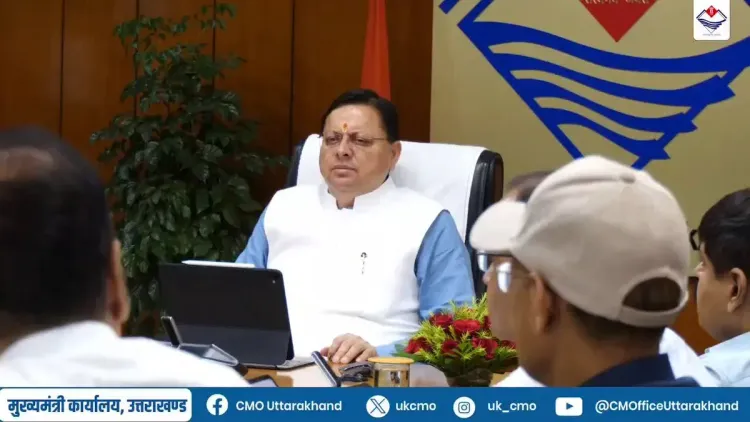
The Uttarakhand CMO on 26 May 2026 showcased women's economic progress under CM Pushkar Singh Dhami, highlighting Suman Devi of Chamoli's Salla Raitoli village as a model of rural transformation through state-backed livelihood initiatives.
Key Takeaways
The Uttarakhand CMO posted on 26 May 2026 about steps taken under CM Pushkar Singh Dhami to improve women's economic conditions in the state.
Suman Devi of Salla Raitoli village , Chamoli district , was named as an inspiring example of this transformation.
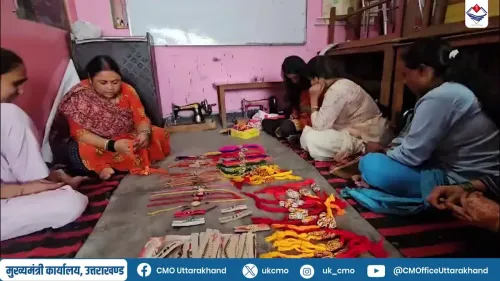
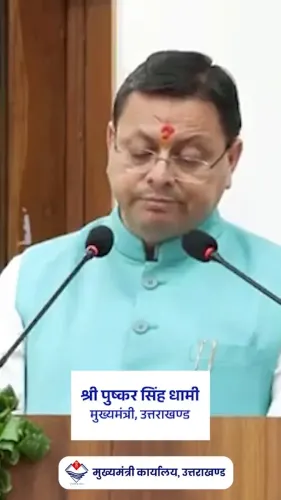
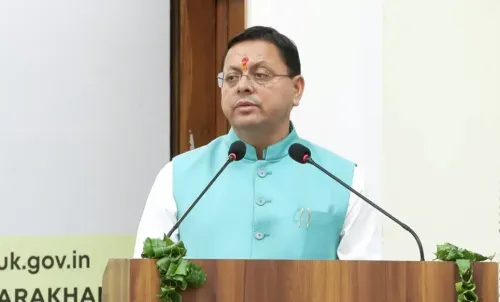
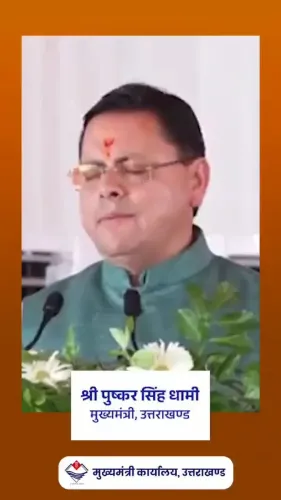
The CMO shared a video alongside the post, suggesting a ground-level profile of Suman Devi's journey.
The Dhami government has expanded women-focused self-help group and skill-development programmes since 2021 .
Chamoli is a mountainous district where state-backed women's livelihood schemes have been actively deployed.
Scaling similar projects to other hill districts and future budget allocations will indicate the programme's long-term trajectory.
The Chief Minister's Office of Uttarakhand on Tuesday, 26 May 2026 highlighted steps taken under Chief Minister Pushkar Singh Dhami to improve the economic condition of women across the state, spotlighting Suman Devi of Salla Raitoli village in Chamoli district as an inspiring example of this transformation.
Context
The official post, shared in Hindi, states: 'Mukhyamantri Shri Pushkar Singh Dhami ke netritva mein Uttarakhand mein mahilaon ki aarthik sthiti mein sudhar ke liye prabhavi kadam uthaye gaye hain' — ('Effective steps have been taken to improve the economic condition of women in Uttarakhand under the leadership of Chief Minister Shri Pushkar Singh Dhami'). It describes Suman Devi as an 'inspiring example' of this change.
The post was accompanied by a video, suggesting a ground-level profile of Suman Devi's journey, a format the CMO has used to humanise policy outcomes in rural Uttarakhand.
Policy Backdrop
Since 2021, the Dhami government has expanded women-focused livelihood programmes across Uttarakhand, with an emphasis on self-help groups (SHGs) and skill-development initiatives in remote hill districts. Chamoli, a mountainous district with limited economic opportunities, has been among the regions where such interventions have been directed.
State governments in Himalayan regions have broadly prioritised women-centric schemes that leverage local resources — from handicrafts and organic farming to micro-enterprises — to drive gender-inclusive growth. Uttarakhand's approach mirrors this wider pattern, channelling central and state funds through SHG networks to reach women in villages like Salla Raitoli.
Stakeholders and Impact
Rural women in remote Uttarakhand villages remain the primary stakeholders of these programmes. For communities in high-altitude districts such as Chamoli, where male out-migration for work is common, women-led economic activity is both a livelihood strategy and a social stabiliser.
Individual success stories like that of Suman Devi serve a dual purpose: they validate programme design at the ground level and provide the state government with visible proof-of-concept that can be replicated across other villages and districts.
What's Next
Observers will watch whether the Dhami government scales similar women-focused livelihood projects to other villages in Chamoli and neighbouring hill districts. Any related budget allocations in the next state legislative session will be a key indicator of the administration's commitment to expanding these initiatives beyond showcase villages.
The broader ambition, as signalled by the CMO's continued public communication on women's welfare, is to position Uttarakhand as a model for gender-inclusive rural development in India's Himalayan belt.
Point of View
Who faces the dual challenge of demonstrating governance credentials and addressing Uttarakhand's persistent out-migration, women's economic empowerment is both a social priority and a political asset. The focus on Chamoli — a district far from the state's urban centres — signals intent to show that development is reaching the margins, not just the plains. Whether this translates into sustained investment or remains a communication exercise will depend on what the next state budget reveals.
NationPress
10 Oct 2026
Frequently Asked Questions
What steps has CM Dhami taken for women's economic empowerment in Uttarakhand?
The Dhami government has expanded women-focused self-help group and skill-development programmes since 2021, targeting remote hill districts like Chamoli to improve rural livelihoods.
Who is Suman Devi from Chamoli, Uttarakhand?
Suman Devi is a woman from Salla Raitoli village in Chamoli district, cited by the Uttarakhand CMO as an inspiring example of economic transformation under state-backed women's welfare programmes.
What is the Uttarakhand government doing for rural women in Chamoli?
The state government has directed women-centric livelihood schemes, including self-help groups and skill training, to Chamoli and other mountainous districts to create economic opportunities for rural women.
What are self-help groups and how do they help women in Uttarakhand?
Self-help groups (SHGs) are community collectives that pool savings and access credit or training. In Uttarakhand, they serve as the primary vehicle for delivering state and central government livelihood support to women in remote villages.
What is the Uttarakhand CMO's role in publicising welfare schemes?
The Chief Minister's Office of Uttarakhand regularly uses its official social media channels to highlight beneficiary stories, making state welfare schemes visible to the public and signalling the government's development priorities.