CM Dhami: Women Will Lead Uttarakhand's Decade of Growth
Synopsis
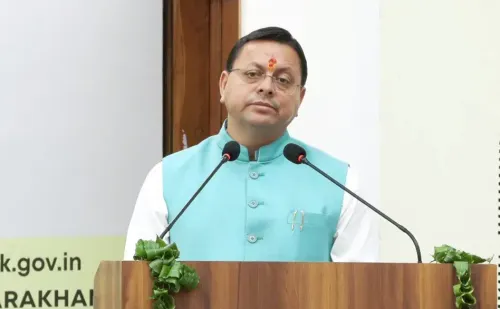
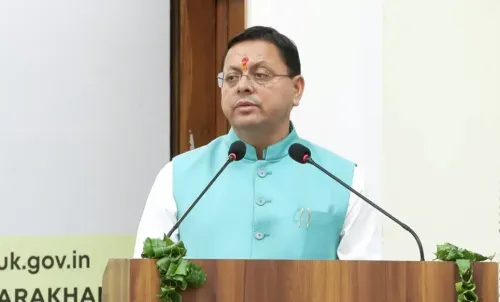
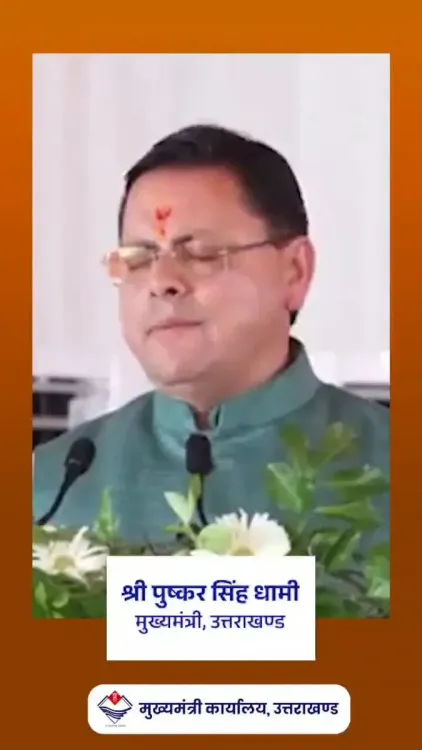
Chief Minister Pushkar Singh Dhami, addressing an event in Gopeshwar, Chamoli on 19 July 2026, declared that women — mothers, sisters, and daughters — will lead Uttarakhand's ambition to make the third decade of the 21st century the state's defining decade of development.
Key Takeaways
CM Pushkar Singh Dhami made the remarks during a visit to Gopeshwar , headquarters of Chamoli district , on 19 July 2026 .
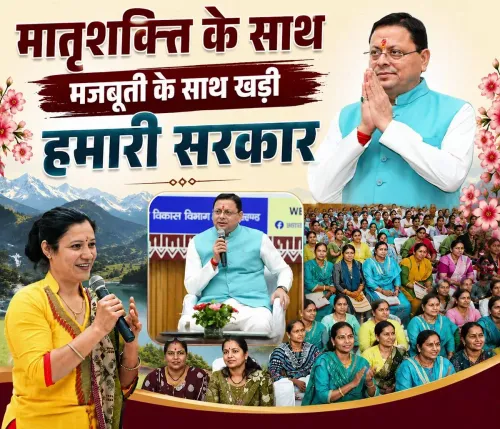
He stated that 'mothers, sisters, and daughters' will be at the forefront of making the 2020s Uttarakhand's decade .
The Dhami administration has consistently positioned women's economic inclusion as central to its 2021–2030 development vision .
Uttarakhand's hill districts face persistent male out-migration, placing women at the centre of rural economic activity.
State policy has backed this rhetoric with women's self-help group federations and gender budgeting since the early 2020s.
Scheme announcements or programme expansions tied to the Chamoli visit, if any, are expected to emerge in the next state budget session .
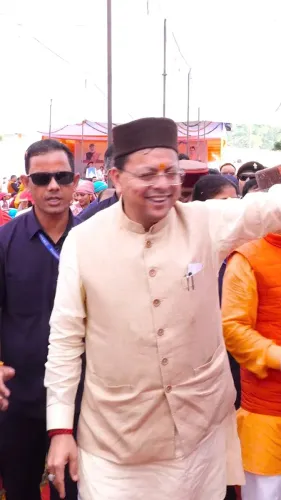
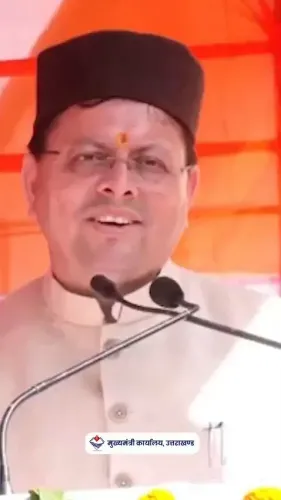
The Chief Minister's Office of Uttarakhand, on Sunday, 19 July 2026, shared remarks by Chief Minister Pushkar Singh Dhami made during a visit to Gopeshwar, the administrative headquarters of Chamoli district, where he declared that women would be at the forefront of making the third decade of the 21st century 'Uttarakhand's decade.'
Context
Speaking at the event in Gopeshwar, CM Dhami stated — '21 vīṃ sadī ke tīsre daśak ko Uttarākhaṇḍ kā daśak banāne meṃ sabse āge hamārī mātāeṃ aur bahan beṭiyāṃ hoṃgī' — 'In making the third decade of the 21st century Uttarakhand's decade, our mothers, sisters, and daughters will be at the forefront.' The remark was posted by the official Chief Minister's Office account on X, tagged with #Gopeshwar, #Chamoli, and #Uttarakhand.
Chamoli is one of Uttarakhand's largest and most mountainous districts. Gopeshwar, its district headquarters, has been a recurring venue for government outreach programmes focused on women's welfare and rural development.
Policy Backdrop
Since CM Dhami assumed office in March 2021, his administration has consistently framed the period from 2021 to 2030 as Uttarakhand's 'decade of development,' with women's economic inclusion positioned as a central pillar. The state government has repeatedly highlighted women's self-help groups and gender-linked budgeting as instruments of this vision.
Uttarakhand faces a long-standing challenge of male out-migration from hill districts, which has placed a disproportionate share of agricultural and household economic responsibility on women. State policy messaging around women's empowerment is closely tied to efforts to reverse this demographic trend and expand livelihood opportunities — particularly in tourism-adjacent sectors — within the hills.
Stakeholders and Impact
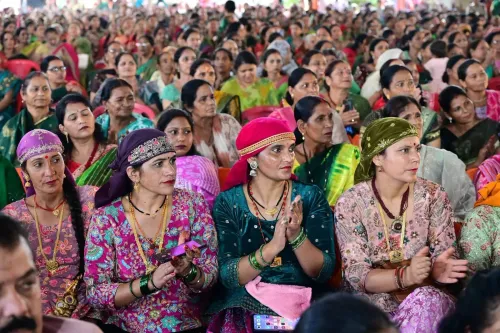
The primary stakeholders of this vision are women in rural Uttarakhand, particularly those in hill districts such as Chamoli, where access to formal employment and economic infrastructure remains limited. Self-help group federations, women-led micro-enterprises, and female workforce participation in the tourism sector are among the channels through which the state has sought to translate this rhetoric into measurable outcomes.
Broader rural households also stand to benefit if women's economic participation reduces dependence on remittances from migrant family members. Gender budgeting exercises undertaken by the state since the early 2020s have attempted to direct a share of departmental allocations toward schemes that directly benefit women.
What's Next
Observers will watch closely for any concrete scheme announcements or programme roll-outs linked to the Chamoli visit, which may surface in the next state budget session or through departmental orders. If the Gopeshwar event marks the launch or expansion of any women-centric livelihood initiative, it would represent a policy step beyond rhetoric — one that could be tracked against female workforce participation data in hill districts. The framing of women as the primary drivers of Uttarakhand's developmental decade signals that gender-focused programming is likely to remain a defining theme of the Dhami administration through the remainder of this decade.
Point of View
But it carries particular weight in a hill state where female-headed households are a structural reality due to out-migration. The choice of Gopeshwar — a district headquarters deep in the mountains — as the venue signals an intent to extend this messaging beyond urban centres. Whether this translates into measurable policy outcomes, such as expanded self-help group funding or female workforce data improvements, will determine if the rhetoric anchors a genuine programmatic shift. The statement also positions gender as a political asset for the Dhami administration ahead of future electoral cycles in a state where women constitute a decisive share of the electorate.
NationPress
18 Oct 2026
Frequently Asked Questions
What did CM Dhami say about women in Uttarakhand?
CM Pushkar Singh Dhami said that mothers, sisters, and daughters of Uttarakhand will be at the forefront of making the third decade of the 21st century the state's decade of development, during a visit to Gopeshwar in Chamoli district on 19 July 2026.
Where did CM Dhami make this speech?
CM Dhami made these remarks in Gopeshwar, the administrative headquarters of Chamoli district in Uttarakhand.
What is Uttarakhand's 'decade of development'?
Since CM Dhami took office in March 2021, his administration has framed the period 2021–2030 as Uttarakhand's 'decade of development,' with women's economic inclusion, self-help groups, and gender budgeting as key components.
Why is women's empowerment important in Uttarakhand's hill districts?
Uttarakhand's hill districts face significant male out-migration, which leaves women as the primary economic actors in rural households. State policy has therefore tied women's empowerment to broader goals of reversing out-migration and expanding local livelihoods.
What schemes support women in Uttarakhand?
The Uttarakhand government has supported women through self-help group federations, gender budgeting exercises, and livelihood programmes linked to tourism, particularly in hill districts like Chamoli.