CM Dhami Hosts Women's Dialogue in Dehradun, Honours Achievers
Synopsis
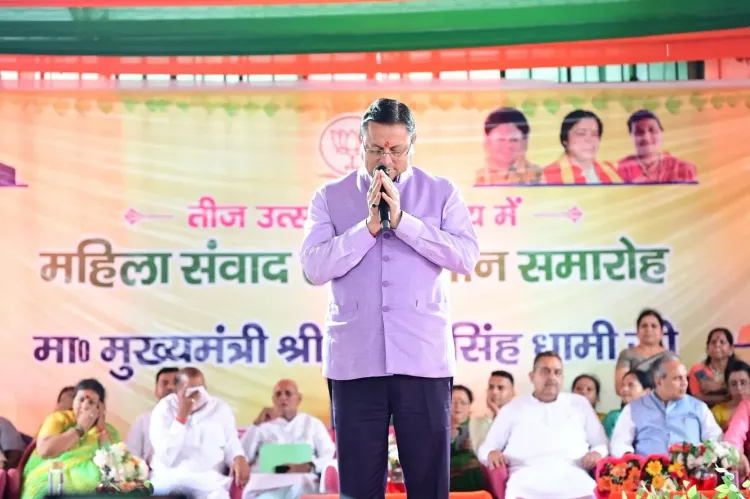
Uttarakhand CM Pushkar Singh Dhami chaired the Mahila Samvad evam Samman Samaroh in Dehradun on 10 August 2026, engaging women on their expectations, felicitating empowerment achievers, and calling women the 'true strength' of Uttarakhand's development.
Key Takeaways
CM Pushkar Singh Dhami hosted the Mahila Samvad evam Samman Samaroh in Dehradun on 10 August 2026 .
The event combined a direct dialogue with women on their expectations and suggestions with formal felicitation of empowerment achievers.
Dhami invoked women's role in Uttarakhand's statehood movement of 2000 as the historical foundation of their contribution.
He described women's hard work, courage, and self-confidence as 'Uttarakhand's true strength' and the 'strong foundation' of a developed state.
The ceremony aligns with a broader state-level pattern of recognising women's economic and social contributions, with potential follow-up scheme announcements to watch.
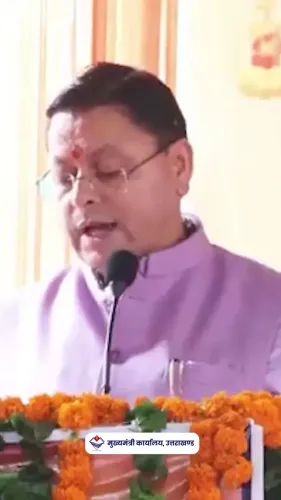
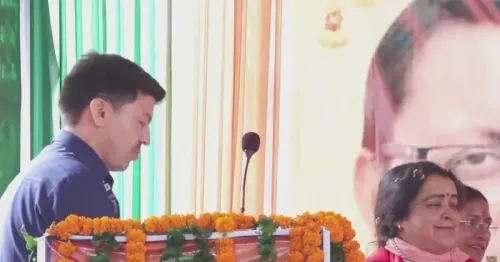
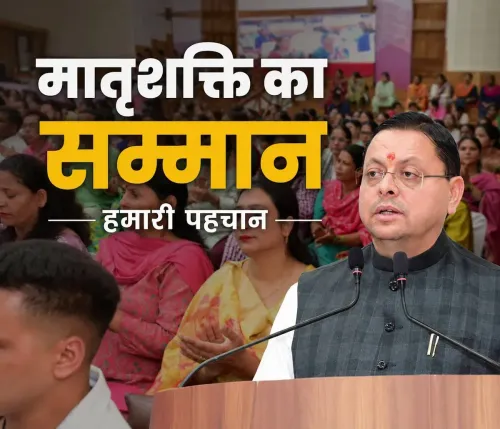
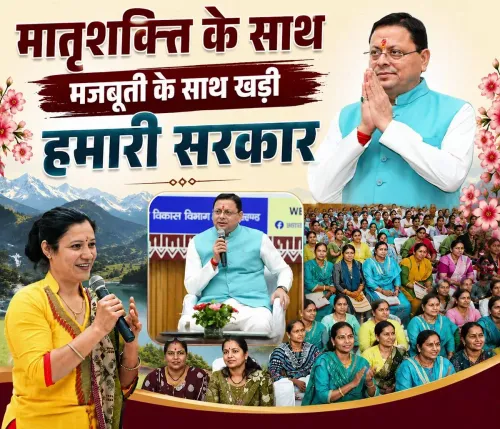
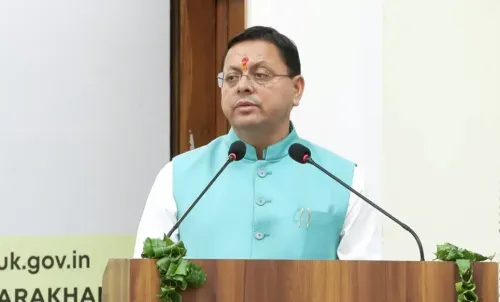
In Dehradun on Monday, 10 August 2026, Uttarakhand Chief Minister Pushkar Singh Dhami sat down directly with women from across the state — listening, not just speaking — at the Mahila Samvad evam Samman Samaroh (Women's Dialogue and Felicitation Ceremony), honouring those who have distinguished themselves in the field of women's empowerment.
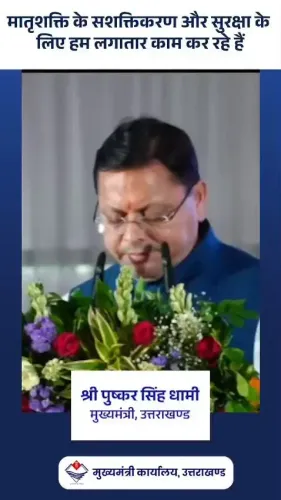
Posting on X, CM Dhami described the event as an exchange of expectations and suggestions with matrishakti — a term meaning 'the power of mothers' — and declared: 'Our matrishakti is the strong foundation of a developed Uttarakhand. From the movement for state formation to this day, our mothers and sisters have made vital contributions to strengthening the economy of their families, society, and the state even in difficult circumstances. Their hard work, courage, and self-confidence is Uttarakhand's true strength.'
From Statehood Movement to State Capital Stage
The tribute carries real historical weight. When Uttarakhand was carved out of Uttar Pradesh in 2000, women were among the most visible and persistent voices in the regional statehood movement — marching, organising, and sustaining a campaign that spanned decades. That lineage is not ceremonial backstory; it is the explicit frame CM Dhami chose to open his remarks with.
The state's hill economy has long depended on women as primary agricultural labourers, self-help group leaders, and household anchors — particularly in districts where male out-migration to plains cities is high. Recognising that contribution at a formal government platform in Dehradun signals an intent to translate acknowledgement into policy attention.
Felicitation as Political Signal
Beyond the dialogue, the ceremony included formal felicitation of women who have done 'outstanding work' in the empowerment space — though specific awardees and their fields have not been publicly detailed. Such recognition events, held regularly by the Uttarakhand government, serve a dual function: they surface grassroots achievers who rarely receive state-level visibility, and they reinforce the administration's stated development priorities ahead of potential scheme announcements.
Watch for follow-up policy moves — whether a new women's development scheme, an expanded self-help group initiative, or a fresh round of inter-district dialogues — that would give the ceremony concrete programmatic weight.
Uttarakhand's mothers and sisters built the state once. The question now is what the state builds for them.
Point of View
Felicitation second — is a deliberate shift from purely ceremonial recognition toward consultative optics, a template increasingly used by BJP-led state governments to signal grassroots connect with women voters. Uttarakhand's high rate of male out-migration makes women a structurally decisive political and economic constituency, and Dhami's explicit linkage to the statehood movement frames the BJP as heir to that founding energy. The event's real test will be whether it precedes a concrete policy announcement; without one, it risks being catalogued as symbolism. Nationally, it fits a pattern of state-level welfare outreach designed to consolidate the party's gains among women ahead of future electoral cycles.
NationPress
25 Sept 2026
Frequently Asked Questions
What is the Mahila Samvad evam Samman Samaroh in Uttarakhand?
It is a government-organised women's dialogue and felicitation ceremony where the Chief Minister engages directly with women to understand their expectations and honours those who have done outstanding work in women's empowerment.
What did CM Dhami say about women at the Dehradun event?
CM Dhami called women the 'strong foundation of a developed Uttarakhand,' crediting their hard work, courage, and self-confidence as the state's true strength, and acknowledged their role from the statehood movement to the present day.
What is matrishakti and why does CM Dhami use the term?
'Matrishakti' literally means 'the power of mothers' in Hindi and Sanskrit. CM Dhami uses it to refer collectively to women — particularly mothers and sisters — as a foundational force in Uttarakhand's social and economic life.
What was Uttarakhand women's role in the state formation movement?
Women were active and prominent participants in the decades-long agitation for a separate Uttarakhand state, which was ultimately achieved when the state was carved out of Uttar Pradesh in 2000 .
Will there be new women's welfare schemes in Uttarakhand after this event?
No specific schemes have been announced yet. Policy observers are watching for follow-up announcements on women's development programmes or expanded self-help group initiatives that would give the ceremony concrete programmatic weight.