CM Himanta Cheers Assam Students: 'Go Make Assam Proud'
Synopsis
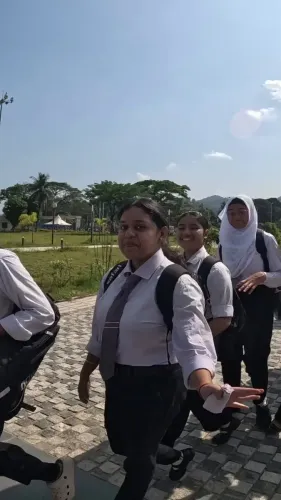
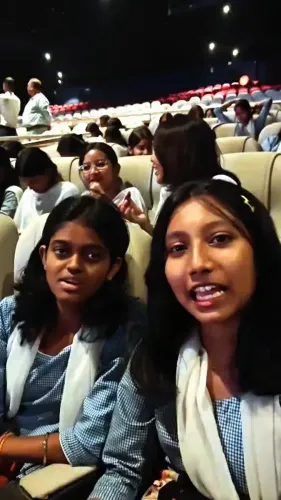
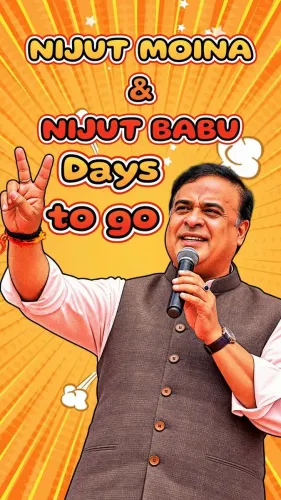
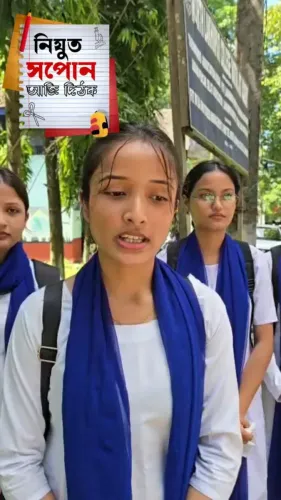
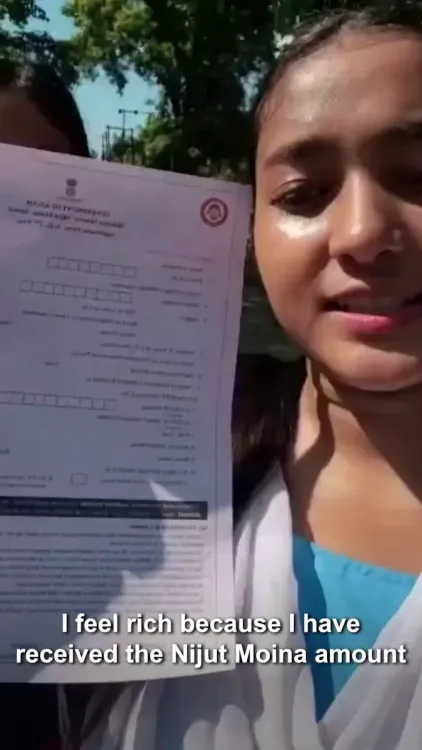
Assam Chief Minister Himanta Biswa Sarma publicly responded to a wave of 'Thank you, Mama!' messages from student beneficiaries of the #NijutBabuMoina initiative on 21 October 2026, urging the youth to dream big and make Assam proud.
Key Takeaways
Assam CM Himanta Biswa Sarma responded on 21 October 2026 to student gratitude messages tied to the #NijutBabuMoina initiative.
The CM used the affectionate Assamese term Mama (maternal uncle), the moniker Assam's youth widely use for him.
His message urged beneficiaries to 'keep dreaming big' and 'make Assam proud', blending emotional connect with aspirational framing.
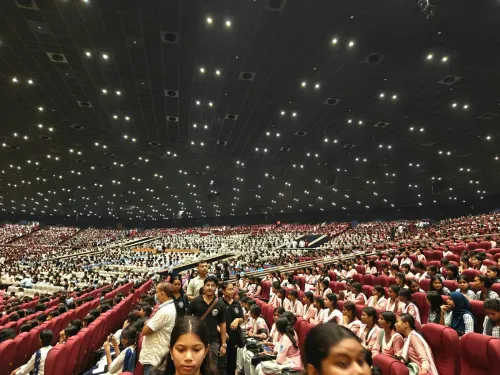
NijutBabuMoina — targeting millions of students — reflects the state government's emphasis on scaled, locally branded youth welfare.
Sarma's direct social-media engagement with student beneficiaries is a consistent feature of his governing style in Assam .
A flood of 'Thank you, Mama!' messages from young Assamese students moved Assam Chief Minister Himanta Biswa Sarma enough to respond publicly on Wednesday, 21 October 2026 — and his reply carried the warmth of a mentor, not just a politician.
Responding to an outpouring of gratitude from beneficiaries under the #NijutBabuMoina initiative, the Chief Minister wrote: 'The "Thank you, Mama!"s make it all the more special! Keep dreaming big, and now go make Assam proud.' The word Mama — Assamese for maternal uncle — is the affectionate term with which Himanta Biswa Sarma is widely addressed by the youth of the state, a register he has consciously cultivated across his public outreach.
What #NijutBabuMoina signals for Assam's youth
NijutBabuMoina — the hashtag anchoring this exchange — reflects the state government's consistent effort to brand education and youth-welfare programmes with aspirational, locally resonant language. Nijut (ten lakh / a million) and Babu-Moina (terms of endearment for boys and girls) together project scale and inclusion: this is not a niche scheme but a mass promise directed at an entire generation of Assamese children.
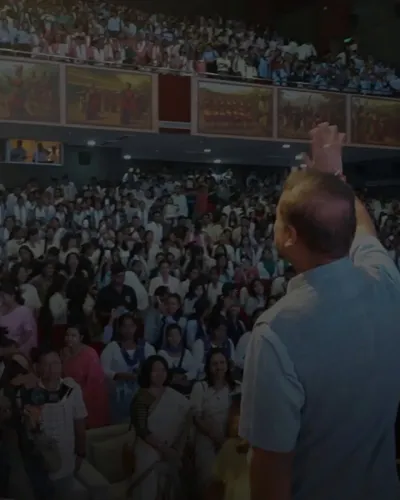
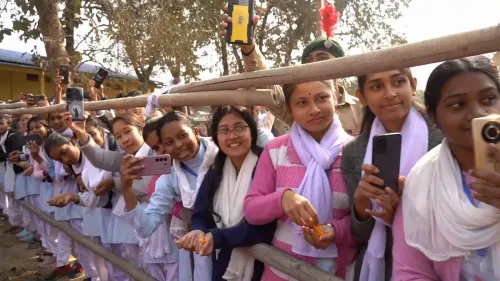
Sarma has made student interaction a signature of his tenure, regularly appearing at school and college events, launching scholarship drives, and amplifying beneficiary stories on social media. The public 'Thank you, Mama!' dynamic — students posting gratitude, the CM replying with encouragement — has become a recognisable loop in Assam's political communication, simultaneously governance messaging and grassroots emotional connect.
Aspiration as a governing strategy in Assam
Beneath the warm social-media moment lies a deliberate political calculus. Assam has a young demographic, and Sarma's government has repeatedly invested in visible, named programmes that put students at the centre of the state's development narrative. By personally responding to individual expressions of gratitude and urging recipients to 'dream big', the Chief Minister reinforces a message that state support is personal, proximate, and conditional on ambition — not just bureaucratic delivery.
The post's simple emotional register — pride, encouragement, belonging — also travels easily beyond the Assamese-speaking audience, lending itself to wider sharing at a time when the state is keen to project a forward-looking image nationally.
A generation of students now carries the CM's challenge: dream big, and then deliver for Assam. Whether those dreams translate into measurable outcomes is the question the state will have to answer next.
Point of View
Sarma positions the state as a responsive, caring actor in young lives rather than a distant bureaucracy. The #NijutBabuMoina framing — scale plus endearment — signals that Assam's education outreach strategy is as much about emotional ownership as it is about programme outcomes. This template, if backed by measurable results, could set a durable model for youth-facing governance communication across North-East India.
NationPress
21 Oct 2026
Frequently Asked Questions
What is #NijutBabuMoina in Assam?
#NijutBabuMoina is an Assam government initiative associated with youth and student welfare, with the name combining the Assamese words for 'million' and terms of endearment for boys and girls, projecting scale and inclusion for the state's student beneficiaries.
Why do Assam students call CM Himanta 'Mama'?
'Mama' means maternal uncle in Assamese, and Assam Chief Minister Himanta Biswa Sarma has been widely addressed by this affectionate term by the state's youth, a dynamic he has embraced and reinforced through regular direct interaction with students.
What did Himanta Biswa Sarma post on 21 October 2026?
On 21 October 2026, Assam CM Himanta Biswa Sarma responded publicly to student messages under #NijutBabuMoina, saying their 'Thank you, Mama!' greetings made the effort more special and urging them to dream big and make Assam proud.
How does Himanta Biswa Sarma engage with students in Assam?
Sarma regularly interacts with students through social media, attends school and college events, launches scholarship and welfare programmes, and publicly amplifies beneficiary stories — making youth engagement a signature element of his tenure as Assam CM.
What does NijutBabuMoina mean in Assamese?
'Nijut' means ten lakh or a million in Assamese, while 'Babu' and 'Moina' are affectionate terms for boys and girls respectively, making NijutBabuMoina a phrase that evokes large-scale, inclusive outreach for Assam's young students.