Giriraj Singh Bets on Farm-to-Fashion to Lift Indian Cotton
Synopsis
Union Textiles Minister Giriraj Singh has outlined his ministry's priorities for India's cotton sector — innovation, research, quality improvement and a Farm-to-Fashion value-chain push — with an explicit goal of giving Indian cotton a new global identity and creating more opportunities for cotton growers.
Key Takeaways
Giriraj Singh on 3 August 2026 stated that innovation, research, quality improvement and productivity in the cotton sector are the ministry's top priorities.
The Farm to Fashion framework aims to strengthen every link from cultivation to export, keeping more value within India's domestic cotton ecosystem.
Singh pledged to win Indian cotton 'a new identity at the global level' and to create more opportunities for cotton producers.
The push builds on existing instruments: the Technology Upgradation Fund Scheme (TUFS) since 1999 and the PLI Scheme for Textiles since 2021 .
The minister posted in Marathi, signalling a direct outreach to farmers in major cotton-growing states such as Maharashtra .
Concrete follow-through — budget allocations or a new research mission — will determine whether the vision moves beyond intent.
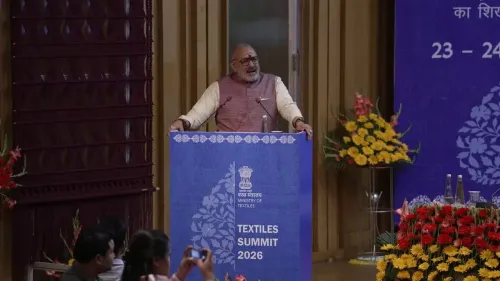
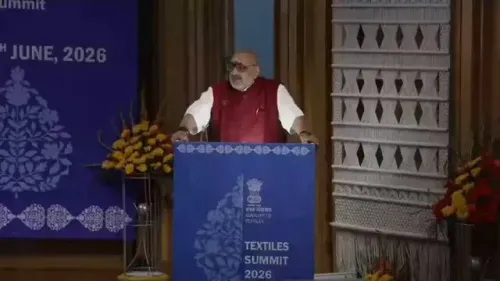
India's cotton sector has a new rallying cry — and it runs from the farm gate straight to the global runway. Union Textiles Minister Giriraj Singh on Monday, 3 August 2026 laid out his ministry's agenda for the crop that clothes a billion people: innovation, research, quality upgrades, and a value chain strong enough to give Indian cotton a fresh identity on the world stage.
Posting in Marathi — the language of one of India's largest cotton-growing states — Singh wrote: 'कापूस क्षेत्रातील नवकल्पना, संशोधन, गुणवत्ता सुधारणा आणि उत्पादकता वाढविणे हे आमचे प्राधान्य आहे.' ('Innovation, research, quality improvement and productivity enhancement in the cotton sector are our priority.') The choice of Marathi was pointed: Maharashtra and Telangana together account for the bulk of India's cotton acreage, and the message lands differently when it arrives in the farmer's own tongue.
What 'Farm to Fashion' Actually Means
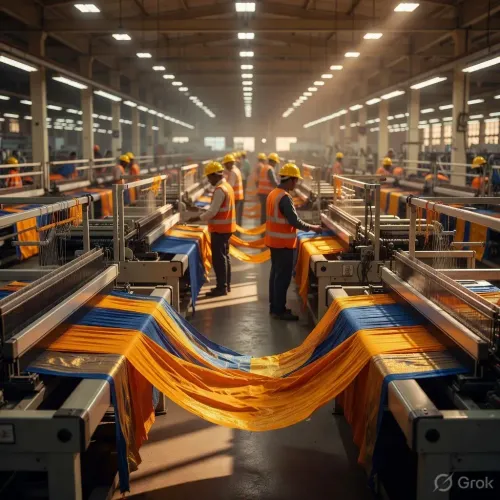
The phrase is more than a hashtag. The Farm to Fashion framework is the Ministry of Textiles' attempt to stitch together every link in a chain that has historically frayed: from seed and soil through ginning, spinning, weaving, processing, and finally export. The idea is that value — and therefore income — leaks out of the system at each handoff, and Indian cotton often ends up enriching processors in other countries rather than growers at home.
Singh's stated resolve is to 'create more opportunities for cotton producers' by strengthening the entire value chain — a direct acknowledgement that price realisation at the farm level remains the sector's most stubborn problem. India is among the world's top two cotton producers, yet its farmers routinely earn less per kilogram than counterparts in competing nations because downstream integration is weak.
The Policy Scaffolding Already in Place
The minister's push sits on two existing pillars. The Technology Upgradation Fund Scheme (TUFS), running since 1999, has channelled capital into modernising textile processing, including cotton ginning and spinning. The Production Linked Incentive (PLI) Scheme for Textiles, announced in 2021, targets manufacturing scale-up and export competitiveness. What has been missing — and what Singh's framing gestures toward — is a sharper research-and-innovation layer that connects agronomic gains at the field to quality premiums at the mill and the retail shelf.
Why the Global Branding Angle Matters
Singh specifically called for Indian cotton to earn 'a new identity at the global level.' That language echoes the Kasturi Cotton India programme, a traceability and branding initiative the ministry has championed to position Indian cotton as a premium, sustainably-grown fibre for international buyers. In an era when fast-fashion brands face scrutiny over supply-chain ethics, a credibly traceable, quality-certified Indian cotton could command real price premiums — if the research and standardisation infrastructure catches up.
The watch item now is whether this statement of intent translates into budget provisions or a dedicated research mission announced in Parliament. Words from a minister's X account become policy only when rupees follow.
Point of View
And its repetition suggests the ministry is trying to build a narrative ahead of potential budget announcements. The deeper challenge is structural: India's cotton productivity per hectare lags global benchmarks, and no amount of branding fixes that without sustained public investment in varietal research and extension services. The real test of this statement will come when Parliament scrutinises the Textiles Ministry's budget allocation.
NationPress
17 Sept 2026
Frequently Asked Questions
What is the Farm to Fashion initiative in India?
Farm to Fashion is a Ministry of Textiles value-chain framework that links cotton cultivation, ginning, spinning, weaving, processing and export under one integrated policy push, aiming to keep more income within India and improve the global competitiveness of Indian cotton.
What did Giriraj Singh say about the cotton sector?
On 3 August 2026 , Union Textiles Minister Giriraj Singh stated that innovation, research, quality improvement and productivity enhancement in the cotton sector are his ministry's priorities, and pledged to give Indian cotton a new global identity while creating more opportunities for cotton producers.
What is the PLI Scheme for Textiles?
The Production Linked Incentive (PLI) Scheme for Textiles, announced in 2021 , offers financial incentives to manufacturers to boost large-scale textile production and export competitiveness, including in cotton-based products.
Why did Giriraj Singh post in Marathi about cotton?
Maharashtra is one of India's largest cotton-growing states, and posting in Marathi is a direct outreach to farmers and stakeholders in that region, signalling that the ministry's cotton agenda is aimed at growers on the ground, not just industry.
What is the Technology Upgradation Fund Scheme (TUFS)?
TUFS, launched in 1999 , is a central government scheme that provides capital subsidies and interest reimbursements to textile units — including cotton processing facilities — to modernise their machinery and technology.