Giriraj Singh Meets Young Innovators at Bharat Tex 2026
Synopsis
Union Textiles Minister Giriraj Singh praised young innovators at Bharat Tex 2026 on 16 July 2026, calling their ideas and enthusiasm the foundation of India's textile sector future. His remarks come amid ongoing policy reforms including the PLI scheme and a pending National Textile Policy overhaul aimed at shifting India toward design- and technology-driven growth.
Key Takeaways
Union Textiles Minister Giriraj Singh met young innovators at Bharat Tex 2026 on 16 July 2026 .
He described youth energy and innovation as 'the cornerstone of a bright future' for India's textile sector.
The PLI Scheme (2021) and ATUFS (2016) form the current policy backbone supporting textile modernisation and export growth.
A revised National Textile Policy — under consultation since 2020 — remains a key pending reform.
Ministerial focus on youth innovation signals a push to shift Indian textiles from volume-based to design- and technology-driven growth.
Stakeholders are watching for fresh budget allocations for skill development and design incubation centres.
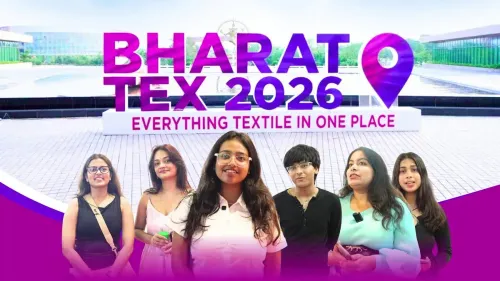
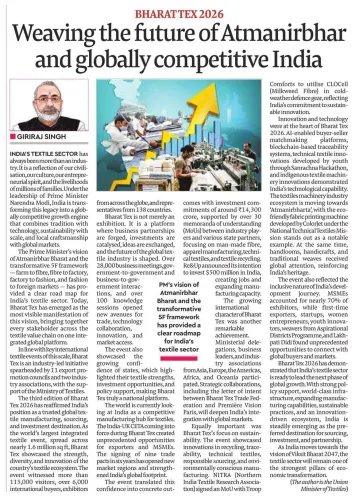
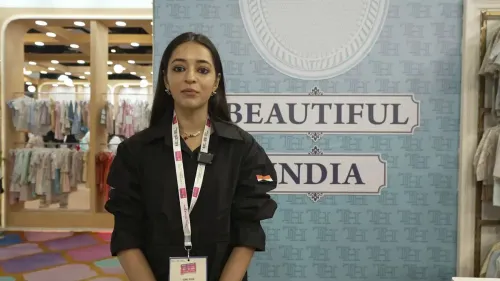
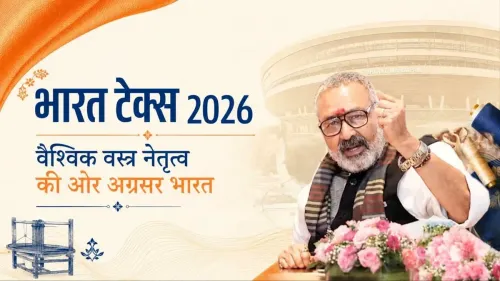
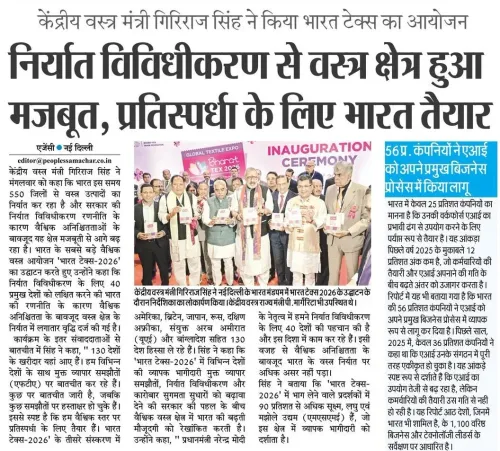
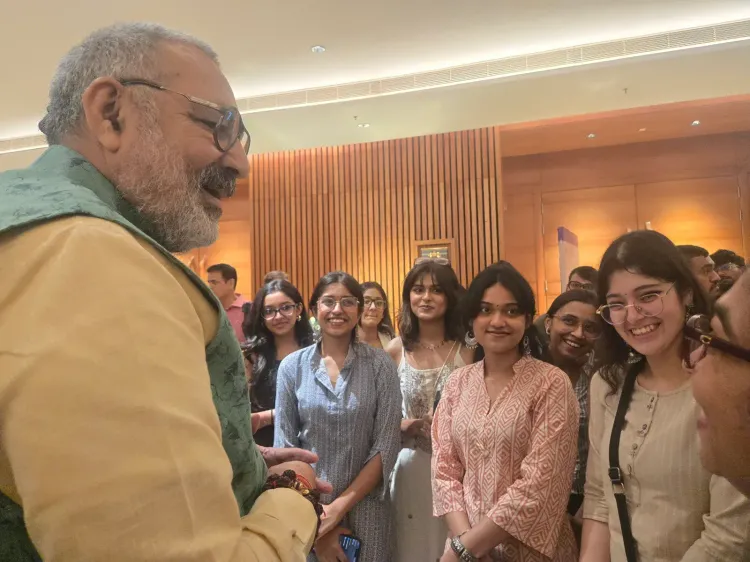
Union Textiles Minister Giriraj Singh on Thursday, 16 July 2026, hailed the energy and innovation of young textile entrepreneurs after meeting several youth talents at Bharat Tex 2026, calling their ideas and work the foundation of a bright future for India's textile sector.
Posting on X, the Minister wrote: 'युवाओं की नई सोच, नवाचार और कुछ नया करने का उत्साह हमेशा प्रेरित करता है' ['The new thinking, innovation and enthusiasm of youth always inspires']. He added that interacting with young talent at Bharat Tex 2026 gave him the opportunity to learn from their ideas and work, describing this energy as 'the cornerstone of a bright future for India's textile sector.'
Context
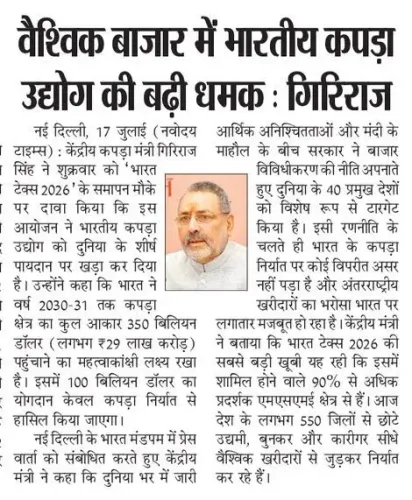
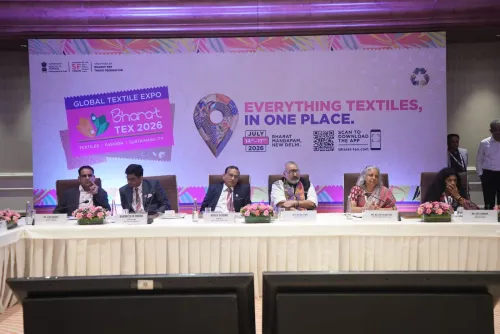
Bharat Tex is positioned as a flagship platform for showcasing India's textile ecosystem, bringing together designers, manufacturers, exporters and emerging innovators. The Minister's engagement with youth participants signals an emphasis on design- and technology-driven growth, a shift from the volume-based model that has historically defined Indian textile exports.
Singh's remarks carry institutional weight: as head of the Ministry of Textiles, he oversees policy spanning handloom, powerloom and apparel sectors, as well as schemes aimed at modernisation and export competitiveness.
Policy Backdrop
The textile sector has been a focal point of central government manufacturing policy. The Production Linked Incentive (PLI) Scheme, notified in 2021, was designed to attract investment and boost exports in man-made fibre apparel and technical textiles, directly targeting the kind of innovation the Minister praised at the event.
Earlier, the Amended Technology Upgradation Fund Scheme (ATUFS), launched in 2016, subsidised machinery modernisation to improve competitiveness. A revised National Textile Policy — intended to replace the 2000 policy and address sustainability and value-chain integration — has been under consultation since 2020 and remains a key pending reform.
These measures collectively reflect successive governments' framing of textiles as a major employment generator and export earner, aligned with the broader Make in India and Atmanirbhar Bharat push to raise India's share in global trade.
Stakeholders and Impact
Young innovators and textile MSMEs stand to benefit most directly from ministerial attention at events like Bharat Tex 2026. Recognition from the Union Minister can translate into policy advocacy for expanded incubation support, design centres and skill development funding in subsequent budget cycles.
For the broader textile ecosystem, the Minister's public endorsement of youth-led innovation reinforces a narrative that India's competitive edge must increasingly come from design, technology and entrepreneurship rather than cost arbitrage alone.
What's Next
Attention will now turn to whether the Minister's engagement at Bharat Tex 2026 translates into concrete announcements — particularly around the long-awaited finalisation of the updated National Textile Policy and any fresh outlay for skill development or design incubation centres in the next Union Budget.
Singh's visible enthusiasm for youth innovation at a sector showcase suggests the Ministry may increasingly position entrepreneurship and technology adoption as twin pillars of its textile growth strategy going forward.
Point of View
The optics of a senior minister learning from young entrepreneurs carries a political signal about where future policy investment may flow. The emphasis on youth aligns neatly with the BJP's broader electoral messaging around empowering a young India. Whether this translates into structural support — incubation funding, design centres, expanded PLI coverage — will be the real test of intent.
NationPress
15 Oct 2026
Frequently Asked Questions
What is Bharat Tex 2026?
Bharat Tex 2026 is a flagship textile industry showcase in India that brings together manufacturers, designers, exporters and innovators to highlight the breadth of the country's textile ecosystem.
What did Giriraj Singh say at Bharat Tex 2026?
Union Textiles Minister Giriraj Singh said that meeting young talent at Bharat Tex 2026 gave him the opportunity to learn from their ideas and work, calling their energy and innovation the cornerstone of a bright future for India's textile sector.
What is the PLI scheme for textiles?
The Production Linked Incentive (PLI) Scheme for textiles, notified in 2021, is a central government programme designed to attract investment and boost exports specifically in man-made fibre apparel and technical textiles.
What is the National Textile Policy India?
India's National Textile Policy is a framework document guiding the sector's development. The current policy dates to 2000; a revised version addressing sustainability and value-chain integration has been under consultation since 2020 and is yet to be finalised.
How does the government support young textile entrepreneurs in India?
The government supports young textile entrepreneurs through schemes like the PLI, the Amended Technology Upgradation Fund Scheme, and sector events like Bharat Tex that provide platforms for visibility and ministerial engagement. Future support may include dedicated design incubation centres and skill development funding.