CM Sai Performs Chhera Pahara at Jashpur Jagannath Temple
Synopsis
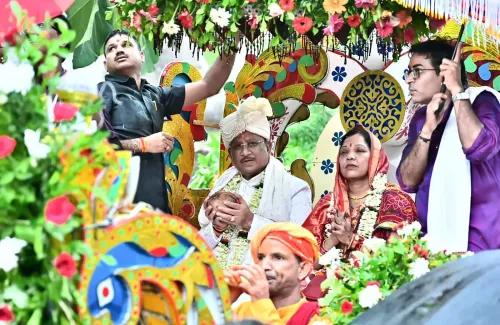
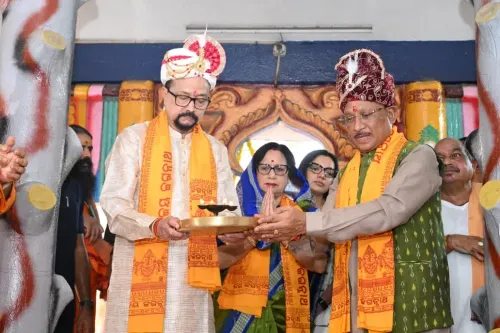
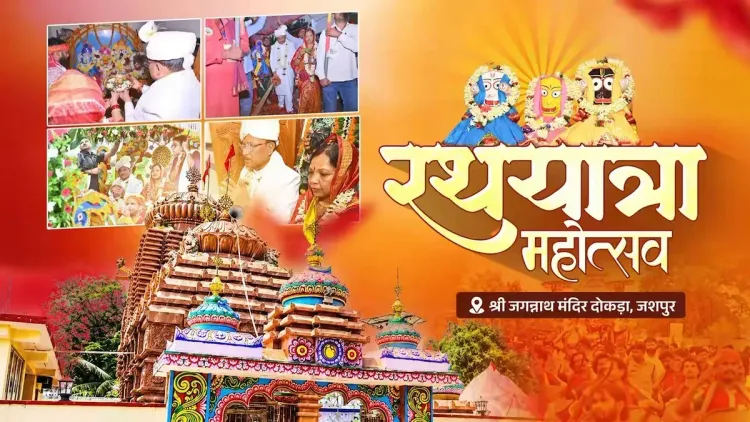
Chhattisgarh Chief Minister Vishnu Deo Sai joined Rath Yatra celebrations at the Jagannath Temple in Dokada, Jashpur on 16 July 2026, performing the sacred Chhera Pahara ritual in the role of Gajapati Maharaja alongside his wife and praying for the state's harmony.
Key Takeaways
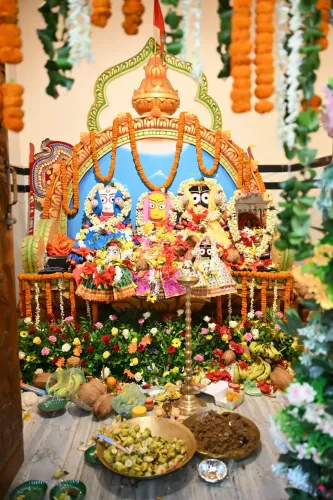
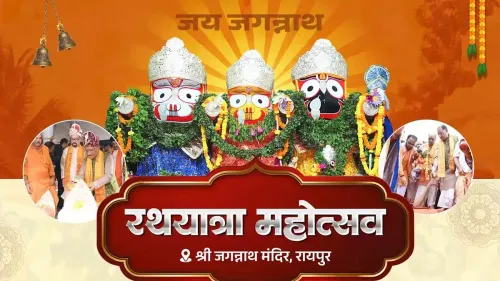
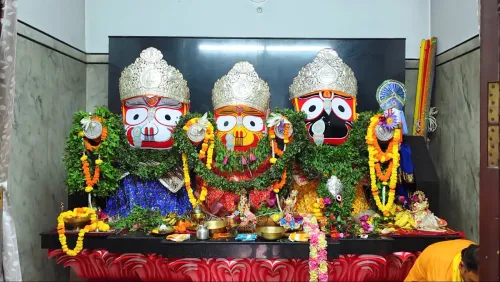
CM Vishnu Deo Sai participated in Rath Yatra Mahaparva at the Shri Jagannath Temple, Dokada, Jashpur on 16 July 2026 .
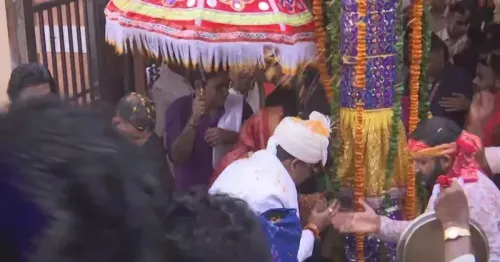
He performed the Chhera Pahara ritual, traditionally associated with the Gajapati Maharaja of Puri, symbolising humble service to the deity.
The Chief Minister was accompanied by his wife ( sapatnik ) during the religious event.
Jashpur district in northern Chhattisgarh has strong cultural and devotional links to the Jagannath tradition of Odisha.
CM Sai concluded with a prayer for Chhattisgarh to remain 'illuminated by devotion, service, and harmony.'
Chhattisgarh Chief Minister Vishnu Deo Sai participated in the Rath Yatra celebrations at the Shri Jagannath Temple in Dokada, Jashpur, on 16 July 2026, performing the sacred Chhera Pahara ritual alongside his wife and seeking blessings of Lord Jagannath.
Context
Posting on X, Chief Minister Sai opened with the Sanskrit invocation 'Jagannathah Swami nayana-patha-gami bhavatu me' — 'May Lord Jagannath come before my eyes' — before describing his participation in the Rath Yatra Mahaparva at the Dokada temple in Jashpur district. He noted that he was accompanied by his wife (sapatnik) and had the fortune of fulfilling the role of the Gajapati Maharaja by performing the Chhera Pahara ritual. He concluded with a prayer: 'May Chhattisgarh always be illuminated by devotion, service, and harmony.'
Policy Backdrop
The Chhera Pahara is one of the most revered rituals associated with the Jagannath tradition. Historically, it is performed by the Gajapati ruler of Puri — the king of Odisha — who sweeps the chariot path of Lord Jagannath with a golden broom as an act of supreme humility, symbolising that even the mightiest sovereign is a servant of the deity. The tradition underscores the Jagannath cult's egalitarian and devotional ethos, which has spread well beyond Odisha into states such as Chhattisgarh.
Chhattisgarh shares deep cultural and devotional ties with the Jagannath tradition of Odisha, with several Jagannath temples active across the state, particularly in Jashpur district in the north. The district's demographic mix of tribal communities and Hindu devotional traditions makes it a significant site for cultural outreach by the state government.
Stakeholders and Impact
The event drew Hindu devotees and residents of Jashpur, for whom the annual Rath Yatra is a major religious and community occasion. The Chief Minister's participation — especially his enactment of the Gajapati Maharaja role — carries symbolic weight, reinforcing the state government's engagement with local religious and cultural identity.
Indian chief ministers routinely join prominent religious processions to engage with communities and signal cultural continuity. CM Sai's presence at the Dokada Jagannath Temple fits within this broader pattern, while also highlighting the BJP-led Chhattisgarh government's emphasis on Hindu cultural heritage in the state's public life.
What's Next
Rath Yatra observances are held at multiple locations across Chhattisgarh each year, and similar processions in other districts are expected to follow in the days after the Jashpur celebration. Any state announcements on religious tourism infrastructure or support for Jagannath temples in Chhattisgarh will be closely watched by local communities and cultural organisations. The Chief Minister's prayer for Chhattisgarh to remain 'illuminated by devotion, service, and harmony' may also signal the government's broader messaging around cultural cohesion in the run-up to future electoral cycles.
Point of View
Projecting the elected head of government as a servant of the divine and, by extension, of the people. For the BJP-led Chhattisgarh government, such visible engagement with Jagannath traditions reinforces a broader strategy of connecting Hindu devotional culture with state identity. Jashpur's tribal-majority demographics make this outreach particularly significant, signalling an effort to weave together indigenous and mainstream Hindu cultural threads. The post's closing prayer for 'devotion, service, and harmony' echoes the party's governance vocabulary and positions religious participation as an extension of administrative intent.
NationPress
15 Oct 2026
Frequently Asked Questions
What is Chhera Pahara and why is it significant?
Chhera Pahara is a sacred ritual in the Jagannath tradition where the Gajapati Maharaja of Puri sweeps the chariot path of Lord Jagannath with a golden broom as an act of humility and devotion. It symbolises that even the most powerful ruler is a servant of the deity, and is one of the most revered customs of the Rath Yatra festival.
Where is the Jagannath Temple in Dokada located?
The Shri Jagannath Temple in Dokada is located in Jashpur district in northern Chhattisgarh. The district has strong cultural ties with the Jagannath tradition of Odisha and hosts annual Rath Yatra celebrations.
Why did CM Vishnu Deo Sai participate in Rath Yatra at Jashpur?
CM Vishnu Deo Sai attended the Rath Yatra Mahaparva at the Dokada Jagannath Temple in Jashpur on 16 July 2026 to seek the blessings of Lord Jagannath and perform the Chhera Pahara ritual. He shared his participation on X, noting the significance of the occasion for Chhattisgarh's cultural and devotional heritage.
What is the connection between Chhattisgarh and the Jagannath tradition?
Chhattisgarh shares deep historical and devotional ties with the Jagannath tradition of Odisha. Several Jagannath temples are active across the state, particularly in Jashpur district, reflecting the spread of the Jagannath cult beyond Odisha into neighbouring regions.
What did CM Sai pray for during the Rath Yatra event?
CM Vishnu Deo Sai prayed that Chhattisgarh may always remain illuminated by devotion, service, and harmony, offering this prayer to Mahaprabhu Shri Jagannath Swami during the Rath Yatra celebrations in Jashpur.