Giriraj Singh pushes for global reach of Indian industry
Synopsis
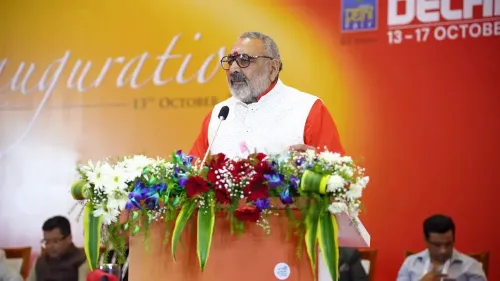
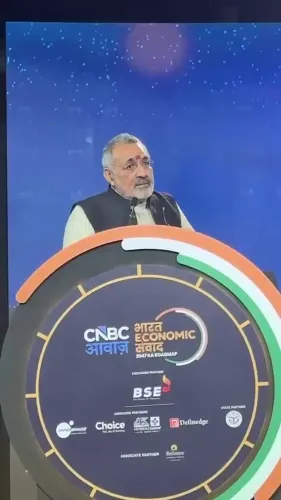
Union Textiles Minister Giriraj Singh on October 15, 2026, reaffirmed his commitment to securing global recognition for Indian talent, widening the reach of Indian products worldwide, and creating fresh opportunities for Indian entrepreneurs and industry.
Key Takeaways
Union Textiles Minister Giriraj Singh posted on October 15, 2026 pledging continued effort to advance Indian industry and entrepreneurs.
He called for Indian products to reach global markets and for entrepreneurs to receive new growth opportunities.
The statement aligns with India's Make in India initiative, launched in 2014 , aimed at boosting manufacturing and exports.
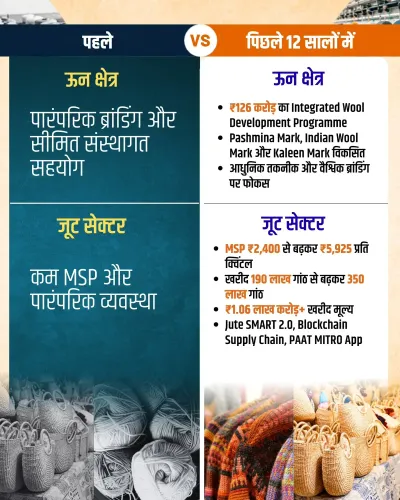
The Textiles Ministry oversees a sector that employs tens of millions and ranks among India's top export earners.
MSMEs — the backbone of India's export basket — are the implicit audience for Singh's entrepreneur-focused messaging.
Upcoming commerce ministry export data and any Foreign Trade Policy updates will serve as the real-world test of these commitments.
India's talent and hard work deserve a global stage — and Union Textiles Minister Giriraj Singh made that case plainly on Thursday, October 15, 2026, reaffirming his commitment to expanding the international footprint of Indian products and opening new doors for the country's entrepreneurs.
In his post on X, Singh wrote: 'भारत की प्रतिभा और मेहनत को नई पहचान मिले, देश के उत्पादों की पहुँच दुनिया भर में बढ़े और हमारे उद्यमियों को आगे बढ़ने के नए अवसर मिलें' — 'May India's talent and hard work gain new recognition, may the reach of our country's products grow across the world, and may our entrepreneurs get new opportunities to move forward.' He added that with this purpose, he remains continually engaged in advancing Indian industry and entrepreneurs.
Textiles ministry's role in India's export ambitions
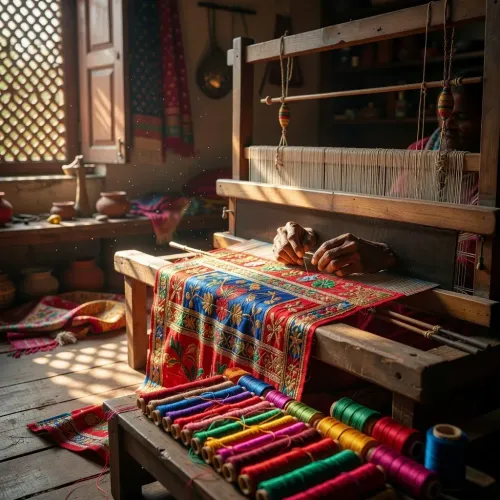
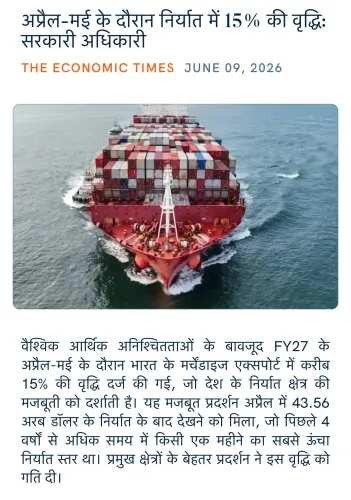
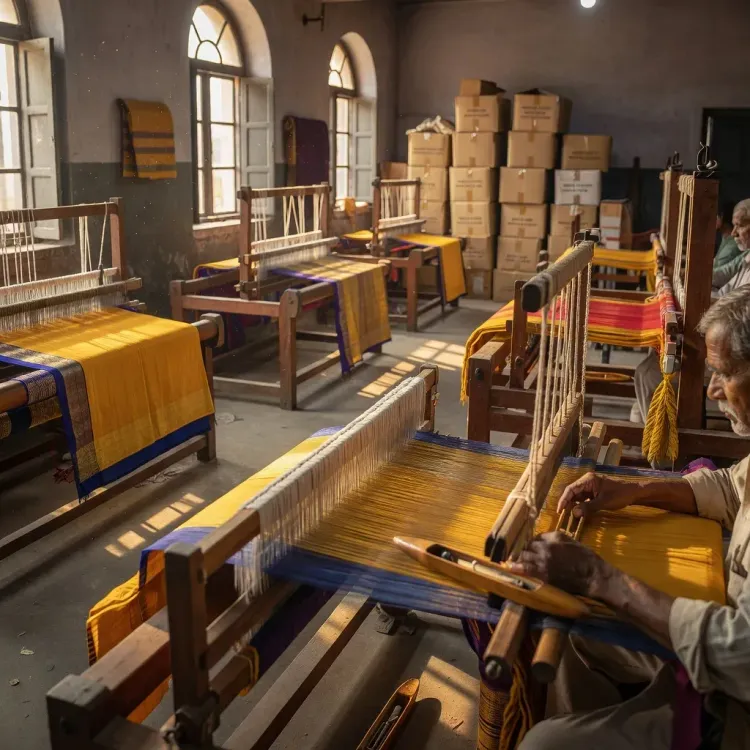
The Ministry of Textiles sits at the intersection of two of India's most urgent economic priorities: generating large-scale employment and growing merchandise exports. Textiles and apparel consistently rank among India's top export categories, with the sector employing tens of millions of workers — a majority of them women — across spinning mills, weaving clusters, and garment factories from Tamil Nadu to Gujarat to Uttar Pradesh.
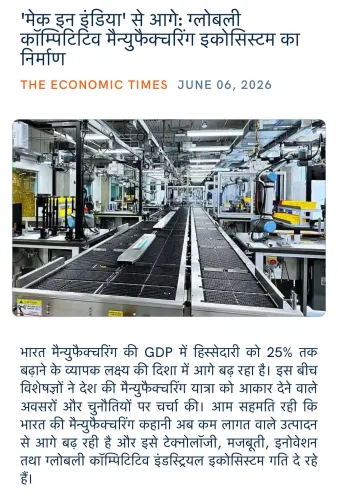
Singh's statement aligns with the broader 'Make in India' architecture launched in 2014, which set out to position Indian manufacturing as a serious global alternative. A decade on, expanding market access and brand recognition for Indian-made goods remains an active policy challenge — one the commerce and textiles ministries pursue through trade negotiations, export promotion councils, and participation in international buyer-seller meets.
Entrepreneurs as the engine of the message
What stands out in Singh's framing is the deliberate centering of the entrepreneur — not just the large exporter or the established conglomerate, but the individual who needs 'new opportunities to move forward.' It is a signal directed at MSMEs, the micro, small and medium enterprises that form the backbone of India's industrial fabric and account for a significant share of the country's export basket.
For a senior BJP leader who represents Begusarai, Bihar — a constituency with deep industrial and agrarian roots — the language of opportunity and global ambition carries both policy weight and political resonance. Bihar's own economic trajectory is closely tied to how well India's broader industrial push translates into local enterprise growth.
The next concrete test of these ambitions will come with the commerce ministry's periodic export data releases and any revisions to the Foreign Trade Policy — the numbers that will tell whether the intent is matching outcomes on the ground.
Point of View
But its consistent repetition from the Textiles Ministry reflects a deliberate strategy to keep export ambition front-of-mind for industry stakeholders. Framing the entrepreneur — rather than the policy instrument — as the protagonist is a studied rhetorical choice that broadens the message beyond trade wonks to small-business owners and aspirational workers. For the BJP, the overlap between economic nationalism and the 'Viksit Bharat' development narrative is increasingly central to its political identity ahead of electoral cycles. The real accountability moment, however, lies in hard export numbers — sentiment must eventually translate into share of global trade.
NationPress
15 Oct 2026
Frequently Asked Questions
What did Giriraj Singh say about Indian exports on October 15 2026?
Giriraj Singh reaffirmed his commitment to expanding the global reach of Indian products, gaining new recognition for India's talent and hard work, and creating fresh opportunities for Indian entrepreneurs.
What is Giriraj Singh's current role in the Indian government?
Giriraj Singh is the Union Minister of Textiles in the Government of India and a senior BJP leader. He is a Lok Sabha MP representing the Begusarai constituency in Bihar.
What is the Make in India initiative and how does it relate to this statement?
Make in India was launched in 2014 to promote domestic manufacturing and boost India's global exports. Singh's call for wider international reach for Indian products is consistent with the goals of this initiative.
Why is the Textiles Ministry important for India's export economy?
Textiles and apparel are among India's top export categories and the sector employs tens of millions of workers. The ministry plays a key role in export promotion, policy support, and connecting Indian manufacturers with global buyers.
What should one watch for after Giriraj Singh's statement on industry growth?
The commerce ministry's periodic merchandise export data and any updates to India's Foreign Trade Policy will indicate whether policy intent is translating into measurable gains for Indian exporters and entrepreneurs.