Delhi traders write to Amit Shah, seek protest ban till Diwali amid ₹2,000 crore loss fears
Synopsis
Delhi's top trade body has written to Home Minister Amit Shah demanding a blanket ban on protests in the capital until Diwali, warning that recent demonstrations have already cost traders over ₹2,000 crore. With 20 lakh traders and peak festive footfall at stake, the letter puts the government in a delicate spot between civic rights and commercial sentiment.
Key Takeaways
The Chamber of Trade and Industry (CTI) wrote to Union Home Minister Amit Shah on 15 October 2026 seeking a ban on large-scale protests in Delhi until Diwali.
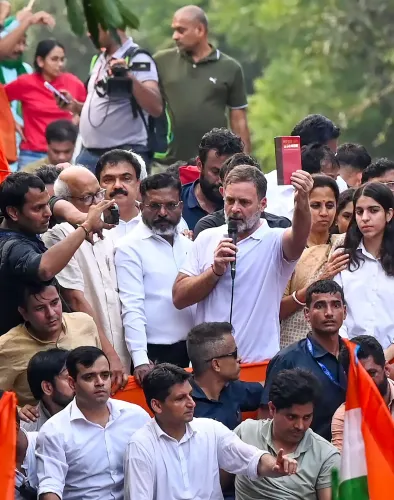
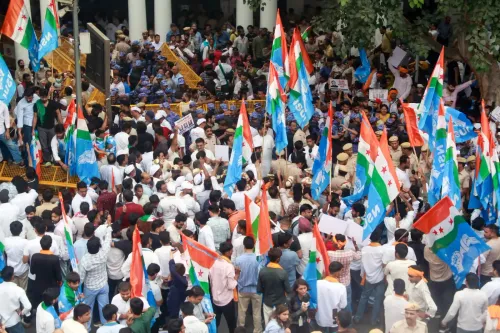
The letter specifically requests denial of permission for the 'Lehra Do Tiranga' march at Connaught Place on 16 October .
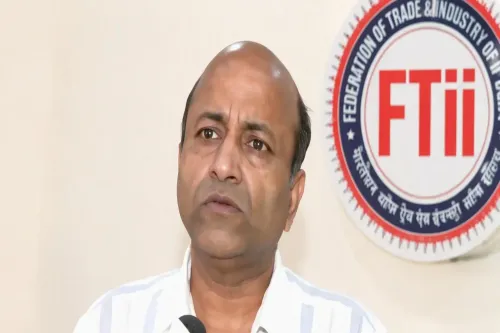
CTI Chairman Brijesh Goyal said the march has caused anxiety among nearly 20 lakh traders in the capital.
Recent protests have allegedly caused over ₹2,000 crore in losses, according to the trade body's letter.
Key commercial hubs at risk include Connaught Place , Janpath , Palika Bazar , and Khan Market .
The administration has yet to issue a formal response to the letter.
The Chamber of Trade and Industry (CTI) has written to Union Home Minister Amit Shah urging a ban on large-scale protests in New Delhi until Diwali, citing an estimated ₹2,000 crore loss to traders from recent demonstrations. The letter, sent on 15 October 2026, also requests denial of permission for the proposed 'Lehra Do Tiranga' march at Connaught Place on 16 October.
What the Trade Body Demanded
CTI Chairman Brijesh Goyal stated in the letter that the planned march has triggered anxiety among nearly 20 lakh traders across the capital. The body urged the Centre to refuse permission for any major dharna or protest until Diwali, and also appealed directly to organisers to reschedule programmes outside the peak festive period.
Which Commercial Hubs Are at Risk
According to the letter, the proposed march could directly disrupt business at major commercial centres including Connaught Place, Janpath, Palika Bazar, Khan Market, and the broader Lutyens' Delhi zone. The CTI warned that the impact would send ripple effects across the city's trade ecosystem, affecting both local customers and outstation buyers.
The Losses Claimed
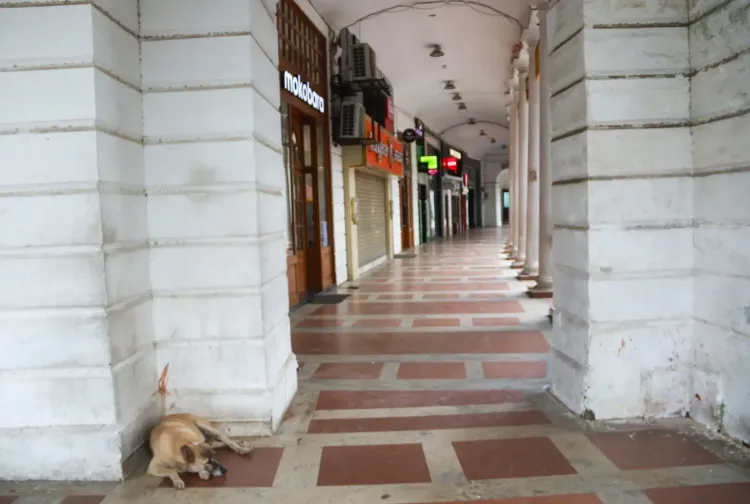
The trade body claimed that recent protests had already created what it described as 'lockdown-like conditions' in Delhi, leading to a sharp decline in footfall. According to the letter, traders have collectively suffered losses exceeding ₹2,000 crore due to such demonstrations. The CTI noted that confusion is also prevailing among suppliers and buyers from outside Delhi, compounding the disruption.
Why Festive Season Timing Matters
The Navratri, Ramlila, and Diwali period represents the single most critical phase for retail trade in the capital each year, according to the CTI. Uninterrupted market activity during these weeks is described as essential for traders to recover ground lost earlier in the year. This comes amid an already-fragile post-monsoon recovery in consumer sentiment across urban markets.
What Happens Next
Goyal has also released a video publicly reiterating the demand for a protest moratorium during the festive season. The administration has not yet issued a formal response to the CTI's letter. Whether the Home Ministry acts on the request is likely to set the tone for how Delhi balances civic rights with commercial interests over the coming fortnight.
Point of View
And blanket bans on public demonstrations set a fraught precedent. The ₹2,000 crore loss figure is a self-reported claim by the trade body and lacks independent verification — a caveat mainstream coverage has largely glossed over. More broadly, this episode reflects a recurring tension in Indian cities where commercial interests and civic dissent compete for the same public spaces, with the police and Home Ministry often caught adjudicating between the two. How the Centre responds will be watched closely, both by protest organisers and by a trader community that feels squeezed every time political activity spills onto market streets.
NationPress
15 Oct 2026
Frequently Asked Questions
Why have Delhi traders written to Home Minister Amit Shah?
Delhi traders, through the Chamber of Trade and Industry (CTI), have written to Union Home Minister Amit Shah to seek a ban on large-scale protests in the capital until Diwali. The trade body claims recent demonstrations have caused over ₹2,000 crore in losses and disrupted business during the peak festive season.
What is the 'Lehra Do Tiranga' march and why is it controversial?
The 'Lehra Do Tiranga' march is a proposed protest event scheduled at Connaught Place on 16 October. The CTI has requested its permission be denied, arguing it would directly disrupt major commercial hubs including Connaught Place, Janpath, Palika Bazar, and Khan Market during the critical Navratri-Diwali shopping period.
How many traders are reportedly affected?
According to CTI Chairman Brijesh Goyal's letter, nearly 20 lakh traders in Delhi are said to have been affected by anxiety and uncertainty caused by recent protests and the proposed march.
What losses have Delhi traders claimed?
The CTI claims traders have already suffered losses exceeding ₹2,000 crore due to recent protests, which it says created 'lockdown-like conditions' and sharply reduced footfall from both local customers and outstation buyers.
Has the government responded to the CTI letter?
As of 15 October 2026, the administration has not issued a formal public response to the CTI's letter. The Home Ministry's decision on the protest permission request is awaited and is expected to clarify the administration's position ahead of the Diwali period.