BJP's Dilip Ghosh slams CJP protest in Delhi over CEC Gyanesh Kumar
Synopsis
Delhi went into near-lockdown on 10 October as the CJP attempted a protest demanding CEC Gyanesh Kumar's resignation over disputed electoral roll revisions — only to be denied permission. With 45 Metro stations shut, internet curbed in central Delhi, and BJP leaders firing back, the confrontation between the opposition and the Election Commission is escalating into a full-blown political and security flashpoint.
Key Takeaways
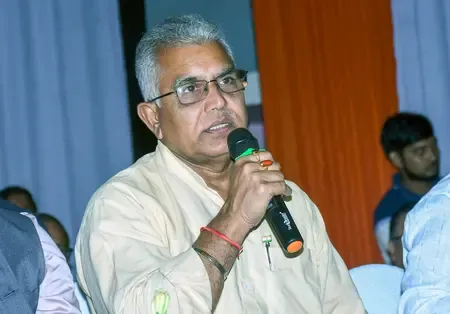
BJP leader Dilip Ghosh condemned the CJP protest at Jantar Mantar on 10 October 2026 , calling it an attempt to create disorder in Delhi.
The CJP is demanding the resignation of Chief Election Commissioner Gyanesh Kumar over alleged irregularities in the Special Intensive Revision (SIR) of electoral rolls.
Delhi Police denied permission for the protest, citing the organisers' failure to comply with legal directions from a previous demonstration.
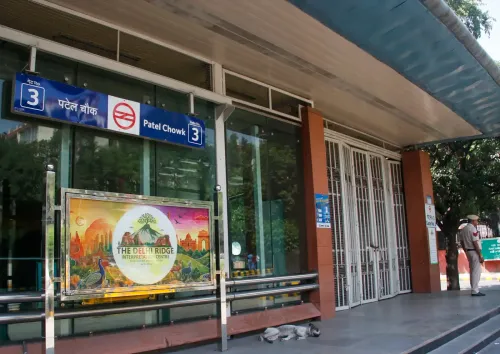
45 Delhi Metro stations were closed from 9 pm Friday through Saturday evening; internet curbs were imposed around the Janpath-Kartavya Path area.
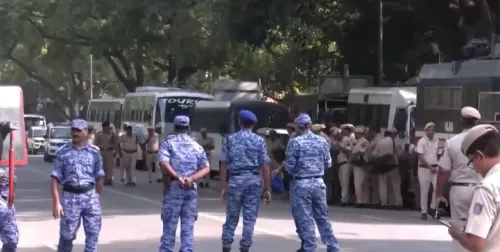
Additional CISF , BSF , and traffic police were deployed at key locations, with drone surveillance activated across the city.
BJP Telangana State President Ramchandra Rao cited his own 12 arrests in Telangana to counter Congress leaders' objections over police action.
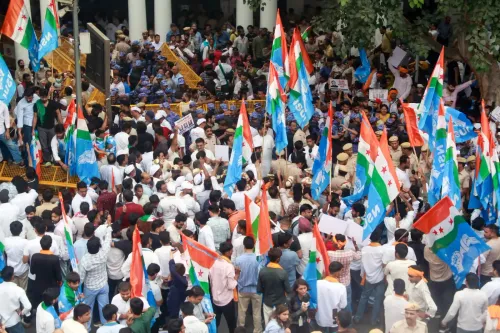
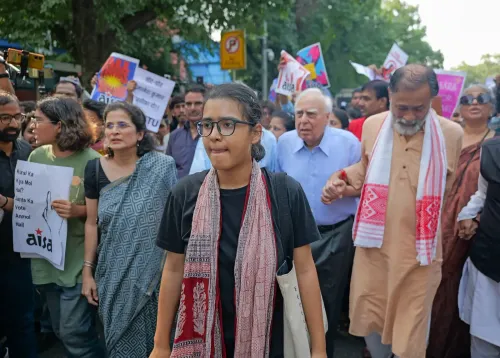
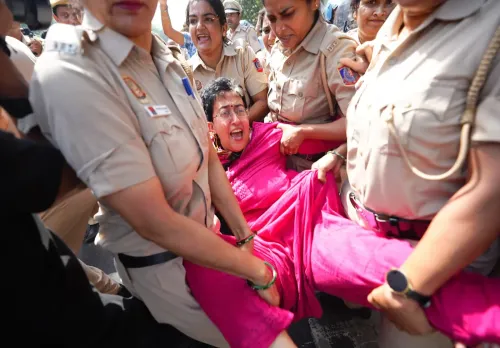
Bharatiya Janata Party (BJP) leader Dilip Ghosh on Saturday, 10 October 2026 sharply criticised the planned demonstration by the Cockroach Janata Party (CJP) at Jantar Mantar in New Delhi, calling it a deliberate attempt to create disturbance and disorder in the national Capital. The protest, which demands the resignation of Chief Election Commissioner (CEC) Gyanesh Kumar over alleged irregularities in the Special Intensive Revision (SIR) of electoral rolls, triggered sweeping security measures across Delhi.
BJP Leaders Push Back
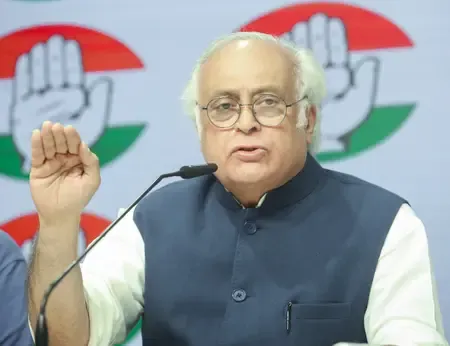
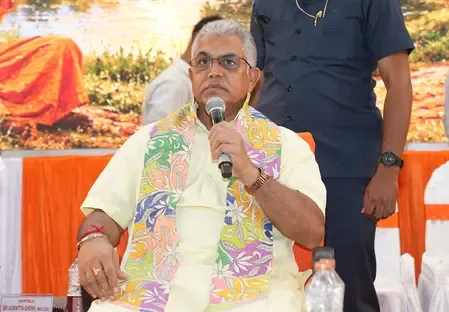
Speaking from Newtown, West Bengal, Ghosh said, 'Attempts are being made to create a disturbance and disorder in Delhi, which could cause problems for the public. The government has already made arrangements to ensure that people do not face any inconvenience or get into trouble by going there.'
BJP's Telangana State President Ramchandra Rao also weighed in, drawing a pointed comparison with the Congress-governed state. 'I have been arrested nearly 12 times in Telangana, placed under house arrest and detained at police stations, so Congress leaders should see how they behave in their states and now they are blaming the police or government,' Rao said, referencing Telangana Chief Minister Revanth Reddy's involvement in amplifying the protest.
Why the CJP Is Protesting
The CJP has called for the resignation of CEC Gyanesh Kumar, alleging irregularities in the Special Intensive Revision (SIR) of electoral rolls. Critics argue the revision process has been flawed, raising concerns about voter disenfranchisement. Delhi Police has stated that permission for the demonstration was denied because organisers failed to comply with legal directions and their own undertakings from a previous protest.
Security Lockdown Across Delhi
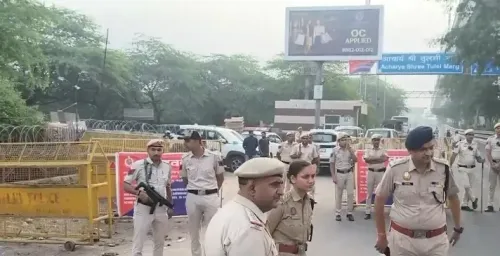
Authorities mounted an extensive security operation ahead of the protest. Additional Central Industrial Security Force (CISF) personnel were deployed outside CEC Kumar's Delhi residence, while local police remained on high alert. Heavy security was stationed at Delhi's borders, including the Chilla Border connecting Noida to Mayur Vihar, with Delhi Police, Border Security Force (BSF) personnel, and traffic police all deployed and conducting vehicle checks.
Drone surveillance was activated at key locations across the city. As a precautionary measure, 45 Delhi Metro stations were closed from 9 pm on Friday through Saturday evening, including stations at Supreme Court and Mandi House. The Delhi Police also enforced internet curbs in parts of central Delhi, particularly around the Janpath-Kartavya Path area.
The Broader Political Context
The standoff reflects a deepening confrontation between opposition parties and the Election Commission over the integrity of the voter roll revision exercise. Notably, protests of this scale — demanding the removal of a sitting constitutional authority — are rare in Indian democratic history. This comes amid broader opposition accusations that the SIR process has been selectively applied, allegations the Election Commission has not publicly addressed in detail.
With security arrangements remaining in place and the protest denied official permission, all eyes are now on whether the CJP and allied groups attempt further demonstrations, and how Delhi authorities respond.
Point of View
The instinctive reply is a security apparatus so overwhelming that the original grievance — alleged electoral roll irregularities — gets buried under headlines about Metro closures and internet shutdowns. The Election Commission's silence on the specifics of the SIR controversy is itself a story. BJP's counter-narrative, led by Ghosh and Rao, is politically effective but sidesteps the substance: if the SIR process was transparent and lawful, a detailed public rebuttal would be more persuasive than pointing to Congress governance failures in Telangana. The real accountability question — whether the voter roll revision was conducted fairly — remains unanswered.
NationPress
10 Oct 2026
Frequently Asked Questions
Why is the CJP protesting against CEC Gyanesh Kumar?
The Cockroach Janata Party (CJP) is demanding the resignation of Chief Election Commissioner Gyanesh Kumar, alleging irregularities in the Special Intensive Revision (SIR) of electoral rolls. The party argues the revision process has been flawed and could affect voter eligibility.
Was the CJP protest at Jantar Mantar permitted by Delhi Police?
No. Delhi Police denied permission for the demonstration, stating that organisers failed to comply with legal directions and their own undertakings made during a previous protest. Security across the capital was tightened significantly ahead of the planned event.
Which Delhi Metro stations were closed due to the protest?
A total of 45 Delhi Metro stations were shut from 9 pm on Friday through Saturday evening as a precautionary measure. Stations at Supreme Court and Mandi House were among those specifically mentioned as closed.
What did BJP's Dilip Ghosh say about the CJP protest?
Dilip Ghosh, speaking from Newtown, West Bengal, said the protest amounted to 'attempts to create a disturbance and disorder in Delhi' that could inconvenience the public. He noted the government had made arrangements to prevent disruption.
What security measures were put in place across Delhi?
Authorities deployed additional CISF personnel outside CEC Kumar's residence, stationed Delhi Police, BSF, and traffic police at city borders including the Chilla Border, and activated drone surveillance at key locations. Internet services were also curbed in parts of central Delhi around the Janpath-Kartavya Path area.