Delhi vendors count losses as ECI protests shut Janpath, Connaught Place during festive season
Synopsis
While the debate over Chief Election Commissioner Gyanesh Kumar’s future plays out in political circles, it is Delhi’s street vendors — selling Garba-season stock on razor-thin margins — who are absorbing the real cost. With footfall down 90% and key trading Saturdays lost, the de-notification of Jantar Mantar on 12 October came too late for many micro-entrepreneurs to recover their festive-season investment.
Key Takeaways
Street vendors at Janpath Market , Connaught Place , and Pallika Bazaar reported severe losses after protests closed markets on 10 and 11 October 2026 .
Customer footfall reportedly dropped by 90% during the peak festive shopping window.
Vendor Radha Sundar said festive stock procured for the Garba season was being sold at a loss or risked going unsold for the entire year.
Shopkeeper Saqib Abbas said his shop reopened after three days but sold only two items.
Jantar Mantar was de-notified as a designated protest site on 12 October ; three new venues — Ramlila Ground , Burari Ground , and CBD Ground — were assigned.
Vendors welcomed the relocation but said the move came after critical trading days had already been lost.
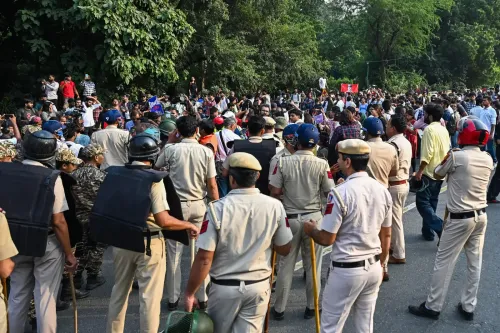
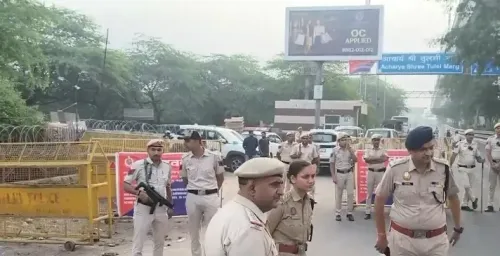
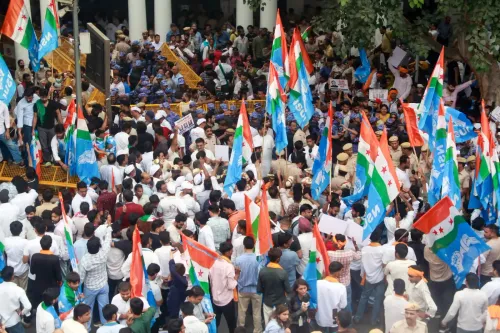
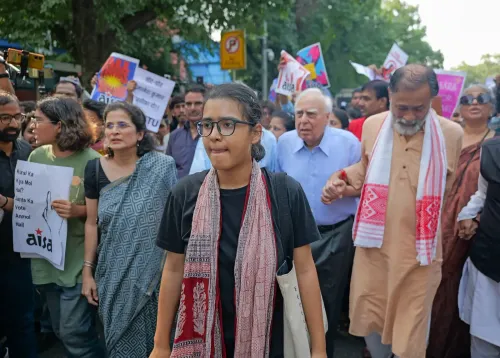
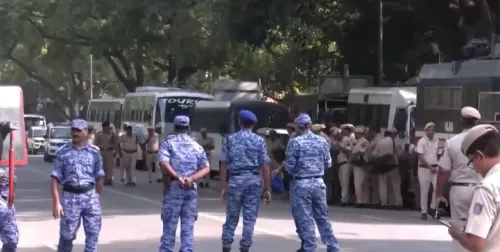
Street vendors at Janpath Market, Connaught Place, and adjoining commercial areas of New Delhi on Wednesday, 14 October reported severe financial losses stemming from protests demanding the resignation of Chief Election Commissioner Gyanesh Kumar. Road closures and market shutdowns on 10 and 11 October gutted customer footfall during one of the most commercially vital stretches of the festive calendar.
Vendors Describe Heavy Losses During Garba Season
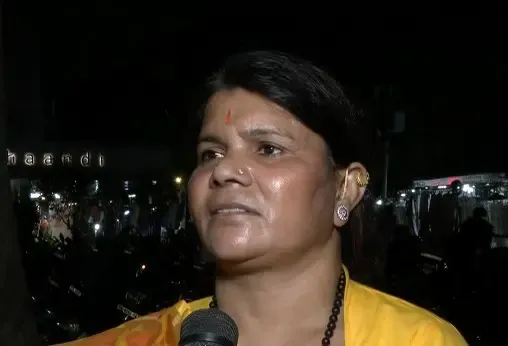
A vendor at Janpath Market, Radha Sundar, said her business had been running at a loss after stock procured specifically for the Garba season sat unsold. “We brought products for the Garba season, but due to the protests, we are facing heavy losses. They should protest during the summer — during May and June. This season is for work; they should understand this,” she said.
Sundar added that she was being forced to sell goods below cost, because festive items not moved in season typically cannot be sold at all for the rest of the year. “They have a lot of money in the banks; that is why they have the privilege to get on the streets. It’s the less privileged who are suffering,” she said.
Sundar noted that disruptions linked to multiple protests had recurred three or four times within the month, with Saturday and Sunday — the most critical trading days for small vendors — wiped out on both occasions.
Connaught Place and Pallika Bazaar Also Hit
Another vendor at the market said the protests had effectively paralysed Connaught Place. “The entire business has been halted. I have a glasses shop and a garments shop. All were closed due to the protests,” he said, adding that proximity to protest sites such as Jantar Mantar made the disruption routine.
Vendor Vinod Sharma said the impact extended beyond individual shops. “Janpath Market, Pallika Bazaar, and Connaught Place were all affected. Protesters can exercise their political right, but it should not hamper the general public,” he said. Sharma acknowledged the constitutional legitimacy of protest while arguing that the current approach “harms the masses, rather than benefiting them.”
One vendor reported that customer footfall had fallen by 90%, a figure that, if sustained through the festive window, could translate into unrecoverable seasonal losses for micro-enterprises operating on thin margins.
Voices From the Ground: Livelihoods Over Politics
Shopkeeper Saqir Abbas said his outlet had reopened after a three-day closure, yet sold only two items. “What should we sell, and how do we feed the children?” he asked. Abbas said the opposition’s agenda was not his concern — his livelihood was. He argued that the decision to shift the protest venue should have been taken earlier.
Another vendor echoed that frustration: “Those who are creating havoc are not arrested, but the common people are getting harassed.”
Jantar Mantar De-notified; Three New Protest Sites Assigned
On 12 October, the Delhi administration de-notified Jantar Mantar as a designated protest site. Three alternative venues — Ramlila Ground, Burari Ground, and CBD Ground in East Delhi — were allotted in its place. The move came directly in response to escalating protests against the Election Commission of India (ECI).
Several vendors welcomed the relocation. “Changing the protest site was the right decision because this is a market area and it is expected to be crowded,” one said. The shift, however, comes after the primary festive shopping days had already been disrupted, leaving losses that vendors say cannot be recovered this season.
With the festive period continuing through Diwali, the coming days will test whether the venue change is sufficient to restore footfall — and financial survival — for the thousands of small traders who depend on this window for the bulk of their annual income.
Point of View
Losing two consecutive Saturdays and Sundays is not a minor inconvenience — it is a cash-flow crisis. The broader question mainstream coverage tends to skip is structural: Delhi’s designated protest geography has long placed political expression on a collision course with its densest commercial corridors. The de-notification of Jantar Mantar does not resolve that tension; it merely shifts it. Until protest planning routinely factors in market calendars and vendor livelihoods, the least economically resilient Delhiites will continue to pay the price for political contestation they have no stake in.
NationPress
14 Oct 2026
Frequently Asked Questions
Why are Delhi vendors protesting about losses in October 2026?
Delhi street vendors at Janpath Market, Connaught Place, and Pallika Bazaar have reported heavy losses after protests demanding the resignation of Chief Election Commissioner Gyanesh Kumar led to road closures and market shutdowns on 10 and 11 October 2026. The disruptions fell during the peak festive shopping season, wiping out critical trading days.
How badly were small vendors affected by the Delhi protests?
At least one vendor reported a 90% drop in customer footfall during the protest period. Shopkeeper Saqir Abbas said his shop remained closed for three days and sold only two items after reopening. Vendor Radha Sundar said she was forced to sell festive stock below cost because unsold seasonal goods cannot be moved for the rest of the year.
What happened to Jantar Mantar as a protest site?
Jantar Mantar was de-notified as a designated protest venue on 12 October 2026. The Delhi administration allotted three alternative sites — Ramlila Ground, Burari Ground, and CBD Ground in East Delhi — in response to the ongoing protests against the Election Commission of India.
Who are the protests targeting and what are the demands?
The protests are directed at the Election Commission of India and specifically demand the resignation of Chief Election Commissioner Gyanesh Kumar. Vendors noted that multiple rounds of protests occurred several times during the month, with market areas near Jantar Mantar bearing the brunt each time.
Did vendors support moving the protest sites away from central Delhi?
Yes, multiple vendors welcomed the de-notification of Jantar Mantar and the shift to Ramlila Ground, Burari Ground, and CBD Ground. However, they stressed that the decision came too late, after the most commercially important days of the festive season had already been disrupted.