NHRC takes cognisance of Punjab anti-drug activist's murder, issues notice to Chief Secretary and DGP
Synopsis
Anti-drug activist Parvinder Singh Jhota was shot dead on Facebook Live in Punjab — and the NHRC has moved fast, issuing notices to the state's top bureaucrat and police chief. NHRC Chairperson Priyank Kanoongo called it a 'blatant example of lawlessness,' warning that government inaction emboldens drug dealers. The main accused has been arrested in Rajasthan, but the case has exposed a chilling pattern of intimidation targeting those fighting Punjab's drug crisis.
Key Takeaways
NHRC Chairperson Priyank Kanoongo took cognisance of the murder of anti-drug activist Parvinder Singh Jhota on 14 October 2026 .
Notices have been issued to the Punjab Chief Secretary and DGP , seeking reports on the incident.
Main accused Ashwani Kumar , a medical store owner, was arrested in Salasar, Rajasthan ; the alleged murder weapon has been recovered.
Jhota was shot dead during a Facebook Live session after confronting the accused over the alleged sale of drugs to an elderly man.
Jhota had previously confronted the same chemist in 2023 , reportedly leading to a prolonged dispute between them.
Kanoongo warned that government inaction against drug abuse emboldens traffickers and puts more activists at risk.
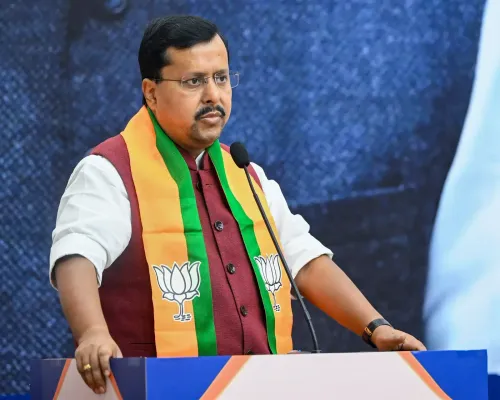
The National Human Rights Commission (NHRC) on Wednesday, 14 October 2026 took cognisance of the murder of Punjab-based anti-drug activist Parvinder Singh Jhota, with NHRC Chairperson Priyank Kanoongo calling the killing a 'blatant example of lawlessness' that exposed the growing brazenness of drug peddlers across the state. The Commission has issued formal notices to the Punjab Chief Secretary and the Director General of Police (DGP), seeking detailed reports on the incident.
What Happened
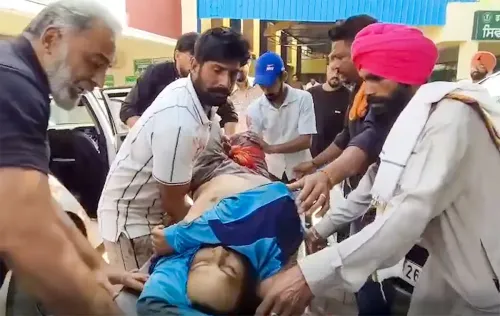
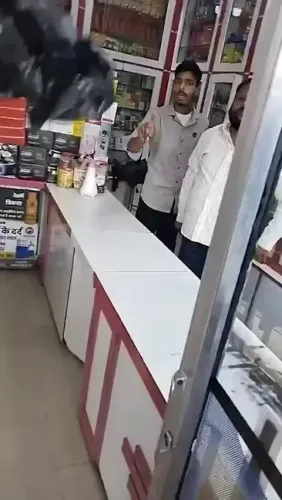
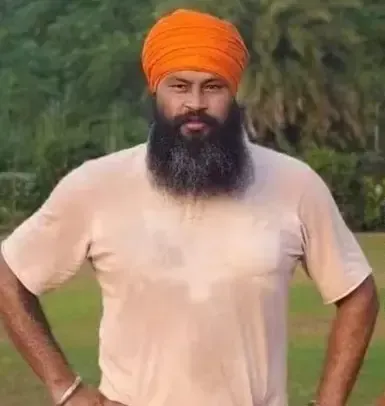
Jhota, a vocal campaigner against drug abuse and the alleged illegal sale of addictive medicines through chemist shops, was shot dead in broad daylight on Tuesday following a confrontation at a medical store. According to police, Jhota had challenged the store owner, identified as Ashwani Kumar, after allegedly witnessing him sell drugs to an elderly man. The confrontation escalated into a heated argument, during which the accused allegedly opened fire. The entire incident was captured during Jhota's Facebook Live session, triggering widespread public outrage.
Key Developments in the Investigation
In a significant breakthrough, the main accused Ashwani Kumar, a medical store owner, was arrested in Salasar, Rajasthan late on Tuesday night, according to a senior police officer. The pistol allegedly used in the killing has also been recovered. A second individual, suspected of helping Kumar evade police after the crime, has also been apprehended. Investigators have noted that personal enmity may be among the motives being examined — Jhota had previously confronted the same chemist in 2023 over alleged drug sales, reportedly triggering a prolonged dispute between them.
NHRC's Warning on Activist Safety
Chairperson Kanoongo said the NHRC's primary objective was to ensure that the safety of anti-drug activists remained a firm responsibility of state governments. 'Our aim is to ensure that across the country, including Punjab, the safety of activists working against drugs remains the responsibility of the state governments. With this objective, we will investigate the entire matter,' he said.
Kanoongo also raised broader concerns about alleged instances in which state governments had failed to support individuals speaking out against drugs. He cited two examples: one in which a person was allegedly assaulted after a conversation with a chief minister, and another in which a person reportedly died by suicide after not receiving sufficient attention from a finance minister. 'Such activities strengthen the resolve of drug dealers and give them the impression that the government is standing with them,' he claimed, calling for systemic change.
Background and Broader Context
The murder has intensified scrutiny on Punjab's ongoing battle with drug abuse, a crisis that has repeatedly surfaced as a political flashpoint in the state. Jhota had been campaigning specifically against the alleged over-the-counter sale of prescription and intoxicating medicines through chemist outlets — a channel that anti-drug activists say fuels addiction at the grassroots level. This is not the first time the NHRC has intervened in Punjab on drug-related human rights concerns, but the graphic nature of the killing — broadcast live on social media — has given the issue exceptional national visibility. The arrests in Rajasthan suggest a cross-state dimension to the case that investigators are now examining. How Punjab police and the state administration respond to the NHRC's notice will be closely watched in the weeks ahead.
Point of View
And the NHRC's rapid notice to Punjab's top officials reflects the political heat. But notices are not convictions. Punjab's drug problem has outlasted multiple governments and dozens of crackdown announcements; the real question is whether this killing becomes a turning point or another data point in an unbroken pattern. Kanoongo's remarks about state governments 'siding with' drug dealers are a serious allegation that deserves scrutiny — not repetition as fact, but rigorous follow-up. If the NHRC's investigation surfaces systemic complicity rather than isolated failure, the accountability implications extend well beyond one chemist in one district.
NationPress
14 Oct 2026
Frequently Asked Questions
Who was Parvinder Singh Jhota and why was he killed?
Parvinder Singh Jhota was a Punjab-based anti-drug activist who campaigned against the illegal sale of addictive medicines through chemist shops. He was shot dead in broad daylight on Tuesday after confronting medical store owner Ashwani Kumar over the alleged sale of drugs to an elderly man, with the incident captured on a Facebook Live session.
What action has the NHRC taken in the Punjab activist murder case?
The National Human Rights Commission (NHRC) has taken cognisance of the killing and issued formal notices to the Punjab Chief Secretary and DGP, seeking detailed reports. NHRC Chairperson Priyank Kanoongo said the Commission will investigate the matter to ensure the state upholds its responsibility to protect anti-drug activists.
Has anyone been arrested for the murder of Parvinder Singh Jhota?
Yes. The main accused, Ashwani Kumar, a medical store owner, was arrested in Salasar, Rajasthan, late on Tuesday night. The pistol allegedly used in the killing has been recovered, and a second person suspected of helping Kumar flee has also been apprehended.
What is the background to the dispute between Jhota and the accused?
Jhota had previously confronted the same chemist, Ashwani Kumar, in 2023 over allegations of drug sales, reportedly leading to a prolonged dispute between them. Police have indicated that personal enmity is among the possible motives being investigated alongside the immediate confrontation.
Why did NHRC Chairperson Kanoongo raise concerns about state governments?
Kanoongo alleged that some state governments had failed to support individuals speaking out against drugs, citing cases where such persons were allegedly assaulted or driven to suicide after seeking help from senior officials. He warned that such inaction emboldens drug dealers by signalling official indifference or complicity.