Delhi traders seek PM Modi, CJI intervention over festive season protest disruptions
Synopsis
As Diwali nears, Delhi's trader community is sounding a financial alarm: ongoing political protests in the capital are choking footfall and blocking outstation buyers, threatening crores in losses on stock already financed through bank loans. Multiple trade bodies have now formally appealed to the PM, the CJI, and Rahul Gandhi — a rare tri-directional SOS that signals just how high the commercial stakes are this festive season.
Key Takeaways
Traders' organisations in New Delhi have appealed to PM Narendra Modi , Chief Justice of India Justice Surya Kant , and Congress leader Rahul Gandhi to intervene over protest-linked business disruptions.
Ajay Banarsi Das Gupta of the Vyapar Mandal warned that outstation traders are becoming reluctant to visit Sadar Bazar and Naya Bazar amid the unrest.
Vikram Wadhwa of the New Trade Association, Connaught Place , flagged that lower festive sales will also reduce GST revenue for the government.
Vinod Srivastava of the Mohan Singh Palace Association said each trader supports around 10 employees and faces fixed costs regardless of sales.
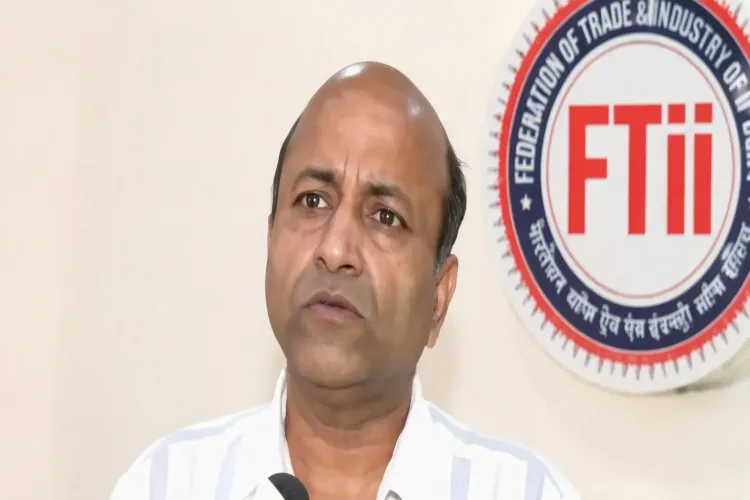
FTII National President Sanjay Bansal appealed to Rahul Gandhi to end or relocate protests and suggested Ramlila Maidan as an alternative venue.
Traders cautioned that unsold festive stock could deepen financial stress for small businesses already servicing bank loans, with potential spillover risks for lending institutions.
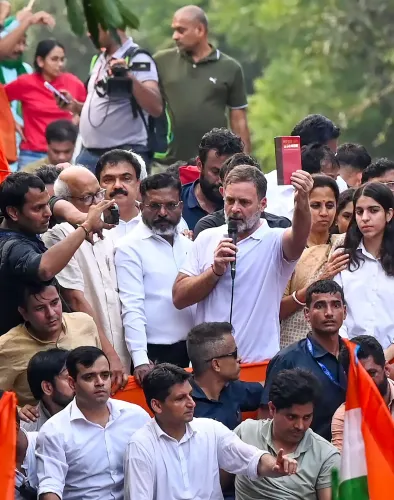
Traders' organisations across New Delhi have raised urgent alarms over political protests in the national capital, warning that continued demonstrations during the peak festive period could inflict severe financial losses on businesses that have stocked up for Navratri, Dussehra, Diwali, and Chhath Puja. Appealing to Prime Minister Narendra Modi, Chief Justice of India Justice Surya Kant, and Congress leader and Leader of the Opposition Rahul Gandhi, traders have called for immediate intervention to ensure demonstrations do not choke commercial activity in one of India's most important wholesale trading hubs.
Traders' Core Concern
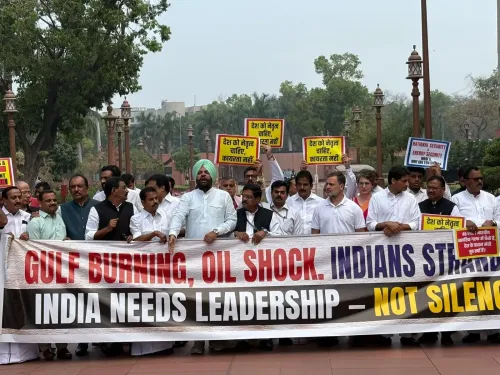
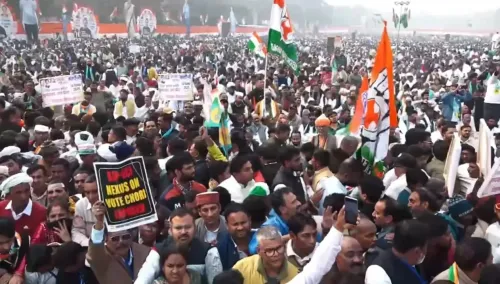
Ajay Banarsi Das Gupta of the Vyapar Mandal said traders spend the entire year preparing for the festive season, often taking bank loans to build up stocks in anticipation of higher sales. He alleged that ongoing Opposition protests were creating an atmosphere that was actively discouraging customers from visiting markets and disrupting the movement of goods, supplies, and order fulfilments.
Gupta emphasised that Delhi functions as one of the country's principal wholesale trading centres, with markets such as Sadar Bazar and Naya Bazar catering to buyers from across India. He warned that outstation traders were growing apprehensive about travelling to the capital for purchases, and that if disruptions persisted, losses could compound well beyond the festive window.
Voices from the Trade Community
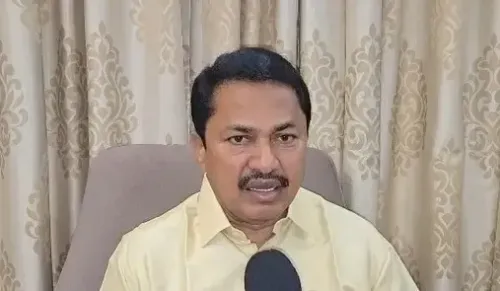
Vikram Wadhwa, General Secretary of the New Trade Association, Connaught Place, said shopkeepers had already made heavy investments in festive stock and would face a double financial burden if footfall remained low — bearing recurring shop expenses despite shrinking revenues. He also flagged a fiscal dimension: reduced sales translate directly into lower GST collections for the government. 'Just as protesting is people's right, conducting business is also the right of traders,' Wadhwa said.
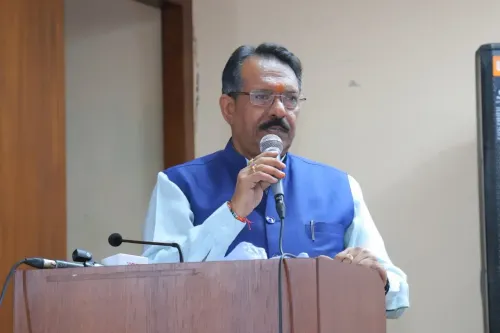
Vinod Srivastava, Vice President of the Mohan Singh Palace Association, noted that a single trader typically supports a family while also providing employment to around 10 people and bearing recurring costs such as salaries, electricity, water, and maintenance. Road closures around protest sites, he said, had made it difficult for customers to reach shops.
National Trade Body Weighs In
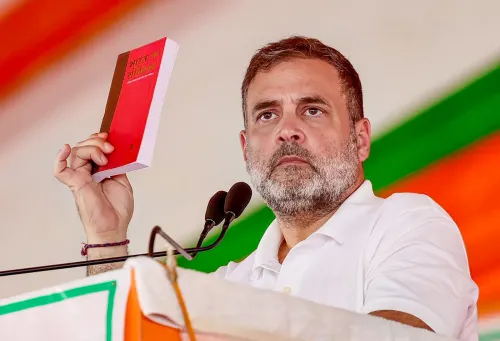
Sanjay Bansal, National President of the Federation of Trade and Industry of India (FTII), speaking from Jammu, raised broader concerns about the economic impact of the protests against a backdrop of challenging global conditions. He appealed directly to Rahul Gandhi to either end the ongoing Opposition protests in Delhi or change their format, noting that the festive season is critical for traders nationwide.
Bansal said crores of rupees worth of merchandise had already been stocked in shops and warehouses across the city, and the prevailing situation was restricting outstation traders from visiting Delhi for purchases. He cautioned that traders already under pressure to service bank loans could face serious financial distress if stocks remained unsold, with wider implications for lending institutions. Bansal suggested that venues such as Ramlila Maidan were readily available for protesters to raise demands without affecting commercial areas, and confirmed he had written separately to Gandhi, the Prime Minister, and the Chief Justice of India seeking intervention.
What Traders Are Asking For
Across all the associations, a common thread emerged: traders are not seeking to curtail the right to protest. Rather, they are asking demonstrators to relocate to designated venues away from commercial corridors. Their formal appeals to the Prime Minister, the Chief Justice of India, and the Leader of the Opposition reflect both the scale of anxiety within the trading community and the perceived urgency of the festive calendar — a window that, once lost, cannot be recovered.
With Diwali approaching rapidly, the coming days will be critical in determining whether the dispute between commercial interests and political expression can be resolved before peak shopping days are lost.
Point of View
The costs fall disproportionately on small and medium businesses with no political recourse. The decision to write to the Chief Justice of India, not just the Prime Minister, signals that traders see this as a legal question of competing fundamental rights, not merely a law-and-order issue. What is notably absent from the discourse is any response from the protesting parties about alternative venues — a gap that, if it persists through Diwali, will harden the trade community's grievance into a political liability for the Opposition. The GST angle raised by traders also deserves scrutiny: a sustained disruption in Delhi's wholesale markets during peak festive weeks could show up in monthly collection data, giving the government an independent measure of the economic damage.
NationPress
14 Oct 2026
Frequently Asked Questions
Why are Delhi traders appealing to PM Modi, the CJI, and Rahul Gandhi?
Delhi traders are appealing to Prime Minister Narendra Modi, Chief Justice of India Justice Surya Kant, and Congress leader Rahul Gandhi because ongoing political protests in the capital are disrupting footfall and goods movement during the peak festive shopping season. Traders say they have stocked crores of rupees worth of goods for Navratri, Dussehra, Diwali, and Chhath Puja and risk severe financial losses if the situation is not resolved quickly.
Which trade bodies and leaders have raised concerns?
The Vyapar Mandal, the New Trade Association (Connaught Place), the Mohan Singh Palace Association, and the Federation of Trade and Industry of India (FTII) have all voiced concern. Key voices include Ajay Banarsi Das Gupta, Vikram Wadhwa, Vinod Srivastava, and FTII National President Sanjay Bansal.
What specific impact are the protests having on Delhi's markets?
According to traders, road closures around protest sites are preventing customers from reaching shops, discouraging outstation buyers from visiting wholesale hubs like Sadar Bazar and Naya Bazar, and disrupting the movement of goods and order fulfilments. Traders warn that reduced sales will also lower GST collections, affecting government revenue.
Are traders asking for protests to be banned?
No. Traders have explicitly stated they are not opposed to the right to protest. They are asking demonstrators to relocate to designated venues such as Ramlila Maidan that do not affect commercial corridors, so that both the right to protest and the right to conduct business can be exercised without conflict.
What are the broader financial risks traders have flagged?
Traders warn that many small and medium businesses have taken bank loans to finance festive stock and could face repayment difficulties if sales remain sluggish. Prolonged disruption could leave large volumes of unsold inventory on shelves, potentially straining the financial position of traders and increasing credit risk for lending institutions.