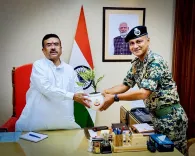
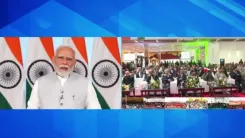
Giriraj Singh hails IHGF Delhi Fair for linking artisans to global markets
Synopsis
Union Textiles Minister Giriraj Singh praised the IHGF Delhi Fair on October 15, 2026, calling it a vital platform for connecting Indian handicraft artisans and exporters to global markets and giving traditional crafts international recognition.
Key Takeaways
Union Textiles Minister Giriraj Singh publicly commended the IHGF Delhi Fair on October 15, 2026 for its role in handicraft export promotion.
The fair is organised by the Export Promotion Council for Handicrafts (EPCH) , established in 1985 under the Ministry of Textiles.
IHGF connects domestic artisans and exporters directly with international buyers, reducing dependence on intermediaries.
The Ministry of Textiles has consistently used such trade fairs to formalise artisan clusters and boost foreign-exchange earnings.
The handicrafts sector offers high rural employment with low capital intensity, making it a strategic component of India's export diversification push.
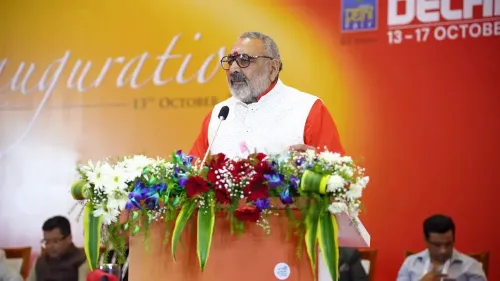
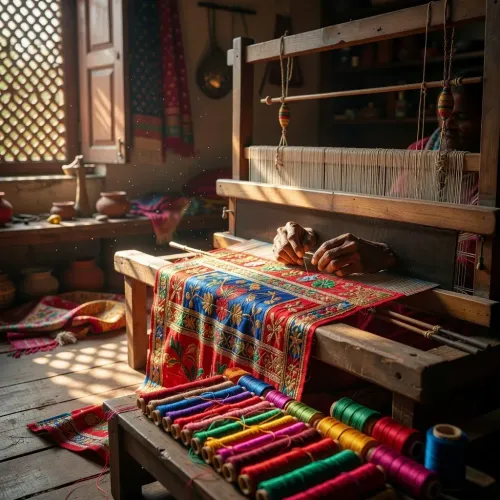
India's handwoven fabrics, carved woodwork, and embroidered textiles have long searched for a reliable passage to global buyers — and Union Textiles Minister Giriraj Singh says the IHGF Delhi Fair is exactly that bridge. On Thursday, October 15, 2026, the Minister took to X to salute the fair's role in opening international doors for Indian craftspersons and exporters.
Posting in Hindi, Minister Singh wrote: 'Bhartiya hastashilp ko vaishvik baazaaron se jodne aur karigaron va niryatkon ke liye naye avsar srujit karne mein IHGF Delhi Fair ka yogdan sarahaniya hai' — 'The contribution of the IHGF Delhi Fair in connecting Indian handicrafts to global markets and creating new opportunities for artisans and exporters is commendable.' He added that the platform 'is playing an important role in giving international recognition to the country's traditional art and craft.'
What IHGF Delhi Fair does for craft and commerce
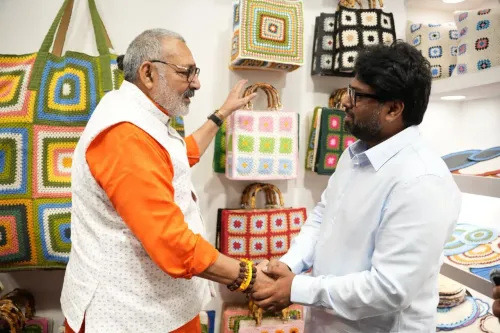
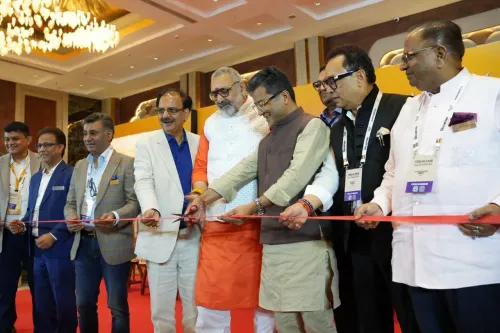
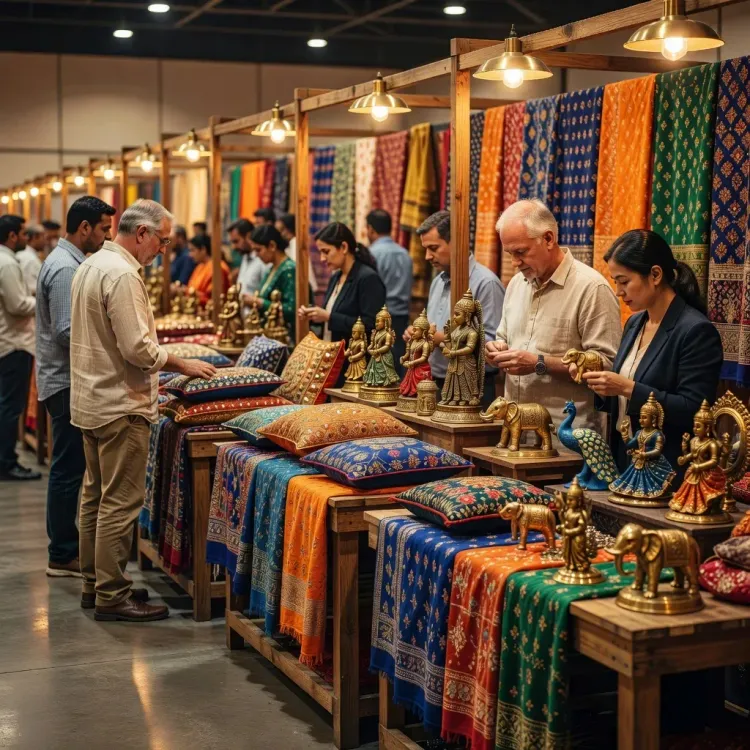
The IHGF (Indian Handicrafts and Gifts Fair) Delhi Fair is an annual trade event that brings together domestic artisans and international buyers under one roof, functioning as a live marketplace for everything from hand-knotted rugs to brassware. Organised by the Export Promotion Council for Handicrafts (EPCH) — the apex body under the Ministry of Textiles — the fair is designed to convert traditional craft skills into export orders and foreign-exchange earnings.
The EPCH itself was constituted in 1985, more than four decades ago, with a single mandate: develop and promote handicraft exports from India. Since then, it has been the institutional spine connecting artisan clusters spread across Rajasthan, Uttar Pradesh, Kashmir, and beyond with buyers in Europe, the Americas, and the Middle East.
A long-running policy bet on craft-led exports
Successive central governments have leaned on sector-specific trade fairs as a cost-effective tool to internationalise traditional industries without dismantling their village-level structure. The Ministry of Textiles has consistently used platforms like IHGF to formalise artisan clusters, reduce dependence on middlemen, and push export earnings upward — embedding craft commerce within a broader industrial-export strategy.
For millions of artisans — most of them in rural or semi-urban India — a single edition of IHGF can mean the difference between a domestic sale at a local mela and a repeat export contract with a European retailer. That gap is exactly what Singh's endorsement underlines.
As India pushes to diversify its export basket beyond IT services and pharmaceuticals, the handicrafts sector represents a quietly significant lever: low capital intensity, deep rural employment, and a product identity that no competitor can copy. The Minister's words, brief as they are, signal that the current government views IHGF not as a ceremonial showcase but as active trade infrastructure.
Point of View
Not just cultural heritage. By deploying export promotion councils and high-visibility trade fairs, the Ministry of Textiles is effectively trying to formalise an informal sector without disrupting its artisanal character. The timing also matters: as India looks to broaden its export profile beyond services, handicrafts represent a politically resonant and economically defensible sector to champion — rooted in rural constituencies, rich in diplomatic soft power. A senior minister's public endorsement of a fair like IHGF signals institutional commitment, which matters to international buyers assessing long-term sourcing from India.
NationPress
15 Oct 2026
Frequently Asked Questions
What is the IHGF Delhi Fair?
The IHGF (Indian Handicrafts and Gifts Fair) Delhi Fair is an annual trade fair organised by the Export Promotion Council for Handicrafts (EPCH) under the Ministry of Textiles, designed to connect Indian handicraft artisans and exporters with international buyers.
What did Giriraj Singh say about IHGF Delhi Fair?
Union Textiles Minister Giriraj Singh praised the IHGF Delhi Fair on October 15, 2026, calling its contribution in connecting Indian handicrafts to global markets and creating opportunities for artisans and exporters 'commendable,' and noting its important role in giving traditional art and craft international recognition.
What is the Export Promotion Council for Handicrafts (EPCH)?
The EPCH is the apex export promotion body under India's Ministry of Textiles, constituted in 1985 to develop and promote handicraft exports and support artisans in accessing global markets.
Why does the IHGF fair matter for Indian artisans?
For artisans and exporters, IHGF provides direct access to international buyers, which can translate local craft skills into export contracts and foreign-exchange earnings, reducing reliance on domestic middlemen.
How does the Ministry of Textiles support handicraft exports?
The Ministry of Textiles supports handicraft exports through the EPCH, sector-specific trade fairs like IHGF, and ongoing efforts to formalise artisan clusters and provide market-access support to exporters across India.