CM Dhami at Gorkha Festival: UCC, Lakhpati Didi, Pancheshwar
Synopsis
On November 1, CM Pushkar Singh Dhami addressed the Gorkha Dashain-Diwali Mahotsav in Dehradun, praising Gorkha valour, announcing Nepali Academy integration, and reaffirming Uttarakhand's UCC, 30% women's job reservation, and the Lakhpati Didi scheme's reach to over 3 lakh women.
Key Takeaways
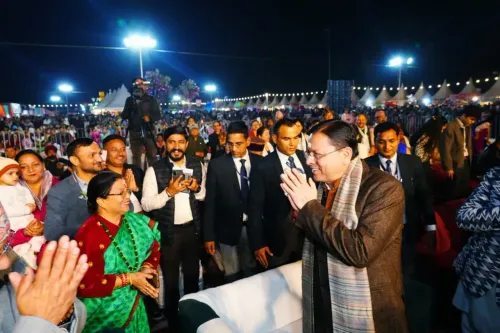
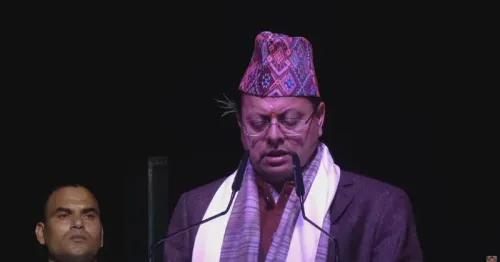
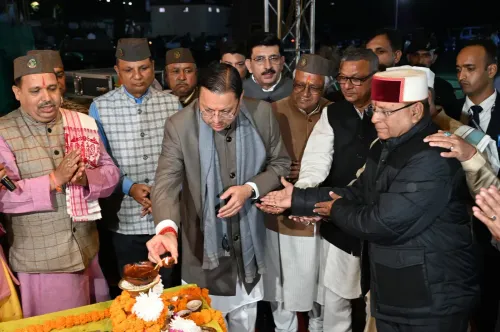
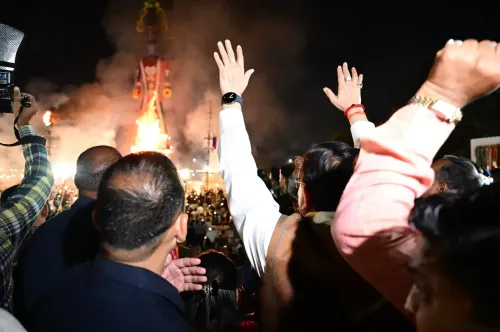
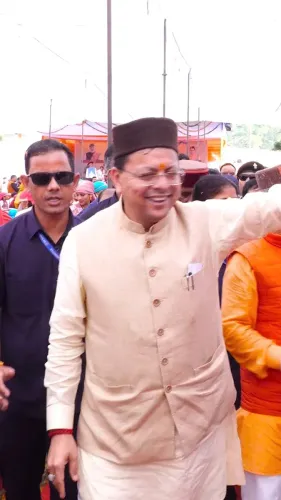
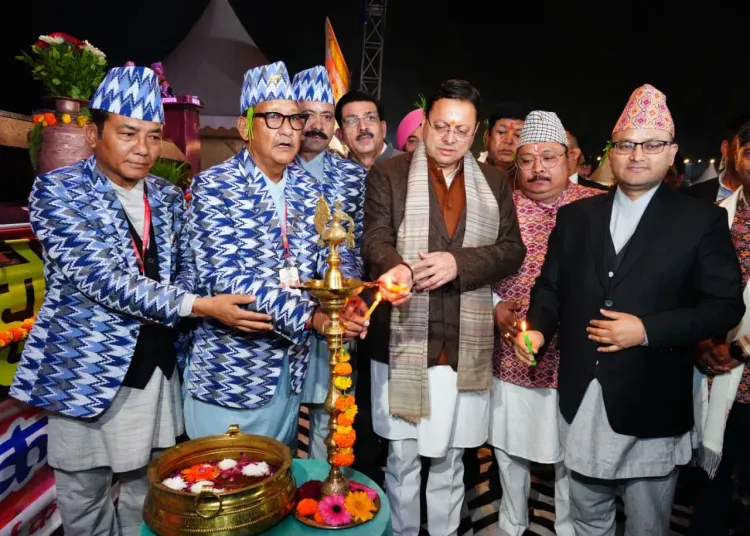
CM Pushkar Singh Dhami attended the Gorkha Dashain-Diwali Mahotsav 2026 at Garhi Cantt, Dehradun on November 1, 2026 .
The state is integrating the Nepali Academy into the Uttarakhand Language Institute and running Nepali diploma and certificate courses at Uttarakhand Open University, Haldwani .
Uttarakhand remains India's first and only state to have enacted the Uniform Civil Code , passed in 2024 .
The state has introduced 30 percent horizontal reservation for women in government employment.
The Lakhpati Didi scheme has benefited more than 3 lakh women across Uttarakhand through self-help group empowerment.
Dhami highlighted the Pancheshwar Multipurpose Project on the Mahakali River as a priority for India-Nepal border development and hydropower.
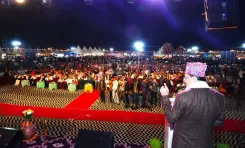
At a garrison town in Dehradun, Chief Minister Pushkar Singh Dhami walked into a festival that is equal parts celebration and statement — and left no doubt about where Uttarakhand's Gorkha community stands in the state's vision. On Sunday, November 1, 2026, Dhami attended the Gorkha Dashain-Diwali Mahotsav and State Fair 2026 at Garhi Cantt, Dehradun, organised by the Veer Gorkha Kalyan Samiti — weaving together festival greetings, border diplomacy, and a string of concrete policy announcements.
A soldier community's motto and its meaning
Dhami opened with the spiritual symbolism of the twin festivals — Dashain as the victory of dharma over adharma through the worship of Maa Durga, and Diwali as the triumph of light over darkness. But it was his invocation of the Gorkha motto that landed hardest: 'Kayar hunubhanda marnu ramro' — 'It is better to die than to live as a coward.' The Chief Minister cited this as the purest expression of the community's 'indomitable courage and self-respect,' and praised Gorkha warriors for their 'unparalleled bravery, loyalty, and sense of duty' in defending India's borders.
He framed the Gorkha community not merely as a pillar of Uttarakhand but as a pride of the entire nation — pointing to centuries of sacrifice in defence, and significant contributions to education, sport, art, literature, and social service in the state.
Nepali language, Pancheshwar, and the India-Nepal bond
Dhami drew on personal experience — growing up in a border district — to describe the India-Nepal relationship as one grounded not in geography alone but in shared culture, family ties, and what he called the 'roti-beti' bond stretching back generations. He announced that Uttarakhand Open University in Haldwani is running diploma and certificate courses in Nepali language, and that the state is moving to bring the Nepali Academy under the umbrella of the Uttarakhand Language Institute — a bid to give the language institutional momentum and connect younger generations to their heritage.
On infrastructure, Dhami pointed to the Pancheshwar Multipurpose Project on the Mahakali River at the India-Nepal border as a shared priority of both the central and state governments — a project conceived under the 1996 Mahakali Treaty that promises hydropower generation, irrigation, and regional development when it finally moves from proposal to construction.
UCC, 30% reservation, and 3 lakh Lakhpati Didis
The festival also became a platform for Dhami's women's empowerment agenda. He reiterated that Uttarakhand became India's first state to implement the Uniform Civil Code — enacted in 2024 — calling it a landmark step toward equal rights and justice for women. The state has also introduced 30 percent horizontal reservation for women in government jobs.
On the economic front, Dhami said the Lakhpati Didi scheme — designed to make self-help group members financially independent — has reached more than 3 lakh women across the state, strengthening both household economies and the broader state economy. The scheme's scale, he said, reflects the government's belief that the real progress of family, society, and state flows through women's advancement.
A Gorkha festival, a border project, a language academy, a civil code, and three lakh women who now count themselves as Lakhpati Didis — Dhami's address at Garhi Cantt was less a speech and more a manifesto, delivered to the community that has always stood, in his own words, at the frontier of both courage and culture.
Point of View
The government is building a durable cultural constituency rather than simply seeking votes. The simultaneous invocation of UCC and Lakhpati Didi signals that the BJP-led state government is packaging its Hindu-nationalist legislative agenda alongside grassroots welfare wins, hoping the combination travels across caste and community lines. The Pancheshwar reference, meanwhile, keeps a decades-old bilateral project alive in public discourse even as its construction timeline remains uncertain — useful diplomatic signalling toward Kathmandu without committing to a delivery date.
NationPress
2 Nov 2026
Frequently Asked Questions
What is the Gorkha Dashain-Diwali Mahotsav in Dehradun?
It is an annual cultural festival and state fair organised by the Veer Gorkha Kalyan Samiti at Garhi Cantt, Dehradun , celebrating the Gorkha community's traditions, valour, and social unity around the Dashain and Diwali festivals.
What did CM Dhami announce for the Nepali language in Uttarakhand?
CM Dhami announced that the Nepali Academy is being brought under the Uttarakhand Language Institute , and that Uttarakhand Open University in Haldwani is already running diploma and certificate courses in Nepali language.
What is the Pancheshwar Multipurpose Project?
The Pancheshwar Multipurpose Project is a proposed India-Nepal joint venture on the Mahakali River aimed at hydropower generation, irrigation, and regional development, framed under the 1996 Mahakali Treaty between the two countries.
Is Uttarakhand really the first state to implement the Uniform Civil Code?
Yes. Uttarakhand enacted the Uniform Civil Code in 2024 , making it the first state in independent India to do so, aimed at ensuring equal personal laws regardless of religion, particularly benefiting women.
What is the Lakhpati Didi scheme and how many women has it reached in Uttarakhand?
The Lakhpati Didi scheme supports women in self-help groups to achieve an annual income of at least one lakh rupees. CM Dhami stated that more than 3 lakh women in Uttarakhand have become Lakhpati Didis under this initiative.