CM Dhami Invokes Culture, Land and People as India's Civilisational Core
Synopsis
Uttarakhand Chief Minister Pushkar Singh Dhami on 15 June 2026 invoked the triad of mother, soil and collective consciousness as the foundation of Indian culture, tradition and prosperity — a message consistent with the BJP-led state's Devbhoomi identity and cultural governance narrative.
Key Takeaways
CM Pushkar Singh Dhami posted a cultural message on X on 15 June 2026 emphasising Indian civilisational values.
The post declared 'mother, soil and the collective consciousness of the people' as the foundation of Indian culture, tradition and prosperity.
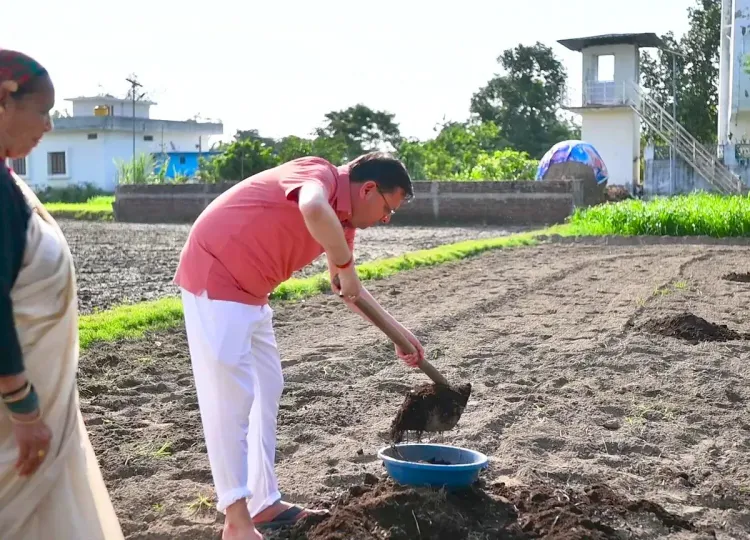
The message was accompanied by a video, reinforcing the cultural theme visually.
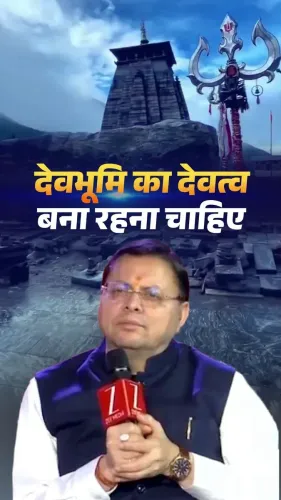
Uttarakhand , known as Devbhoomi , has a state identity closely tied to pilgrimage heritage and folk traditions.
CM Dhami has held office since 2021 and has consistently integrated cultural messaging with governance communication.
The post fits a broader BJP pattern of using social media to foreground civilisational values alongside development agendas.
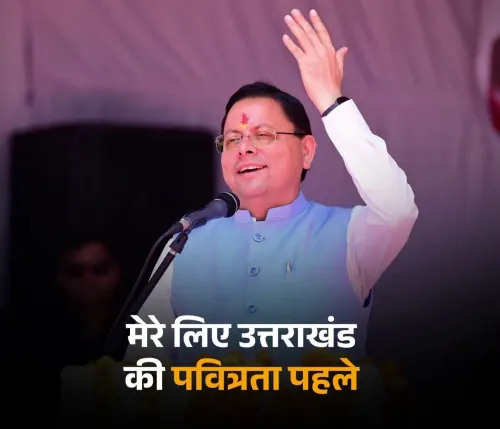
Uttarakhand Chief Minister Pushkar Singh Dhami took to X on Monday, 15 June 2026, to share a cultural message celebrating Indian civilisation, describing the triad of mother, motherland and the collective consciousness of the people as the bedrock of India's culture, tradition and prosperity.
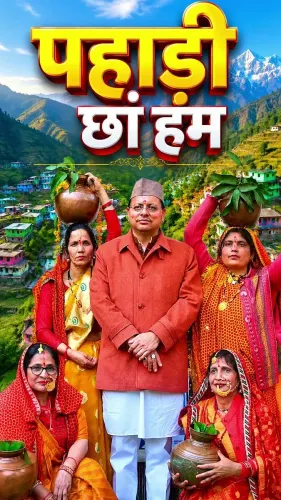
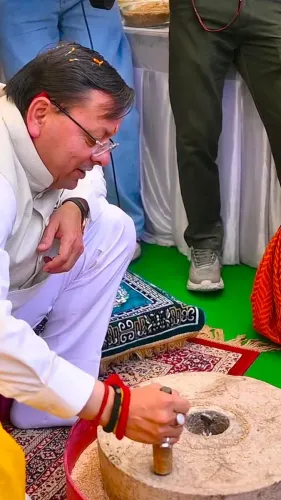
In his post, CM Dhami wrote: 'माँ, माटी और जनमानस…भारतीय संस्कृति, परंपरा और समृद्धि का आधार' — translating as 'Mother, soil and the collective consciousness of the people — the foundation of Indian culture, tradition and prosperity.' The message was accompanied by a video, the contents of which align with the Chief Minister's consistent public emphasis on civilisational and cultural themes.
Context
Uttarakhand, often referred to as Devbhoomi (land of the gods), occupies a unique position in India's cultural geography. The Himalayan state is home to major pilgrimage circuits, centuries-old folk traditions, and a state identity closely tied to religious and cultural heritage. CM Dhami, who has held office since 2021, has regularly woven cultural messaging into his governance communication, positioning the state's traditional roots as inseparable from its development trajectory.
Policy Backdrop
BJP-led state administrations across India have consistently used official social media platforms to foreground cultural nationalism alongside infrastructure and welfare agendas. In Uttarakhand specifically, the government has framed policy priorities — from tourism expansion to heritage conservation — within the narrative of protecting and promoting the state's Devbhoomi identity. The phrase 'माँ, माटी और जनमानस' ('mother, soil and the people') resonates with a broader vocabulary of cultural pride that the ruling party has deployed at both the state and national levels.
State-level initiatives around folk-arts promotion, pilgrimage infrastructure and cultural tourism circuits have formed a recurring policy thread in Uttarakhand under the current administration. Such messaging by the Chief Minister typically precedes or accompanies formal announcements on heritage conservation or community-linked tourism projects.
Stakeholders and Impact
The post speaks directly to Uttarakhand's residents, particularly communities whose livelihoods, identity and social fabric are tied to the state's cultural and religious traditions. Heritage groups, folk artists, pilgrimage site managers and the broader tourism ecosystem are among the constituencies that such messaging addresses. For these groups, official reaffirmation of cultural values carries practical significance, signalling continued governmental attention to heritage-linked economic activity.
At a wider level, the statement contributes to a national conversation about the role of Indian civilisational values in contemporary governance — a discourse that has grown more prominent in public life over the past decade.
What's Next
Observers of Uttarakhand politics and cultural policy will watch for follow-through in the form of state-level announcements on heritage conservation schemes, folk-arts promotion programmes, or new tourism circuits that integrate cultural messaging with concrete budgetary commitments. CM Dhami's social media communication has historically served as a precursor to or accompaniment of such policy moves, making this post worth tracking in the weeks ahead. The broader pattern suggests that cultural affirmations of this kind are rarely standalone gestures — they tend to anchor a wider governance narrative that the administration is actively building.
Point of View
Soil and the people' is textbook BJP cultural-governance communication — short, evocative and designed to reinforce the ruling party's civilisational brand equity ahead of any formal policy announcement. For Uttarakhand, a state that markets itself as Devbhoomi, such messaging does double duty: it consolidates the cultural vote bank while signalling continued state patronage of heritage and pilgrimage-linked industries. The consistency of this framing across BJP-governed states suggests a coordinated ideological communication strategy rather than spontaneous expression. Analysts will watch whether this particular post is followed by a concrete policy or budgetary move in the cultural or tourism space.
NationPress
21 Sept 2026
Frequently Asked Questions
What did Uttarakhand CM Pushkar Singh Dhami post on X on 15 June 2026?
CM Dhami posted a cultural message stating that 'mother, soil and the collective consciousness of the people' are the foundation of Indian culture, tradition and prosperity, accompanied by a video.
What does 'Devbhoomi' mean and why is it associated with Uttarakhand?
'Devbhoomi' means 'land of the gods' in Hindi and is a widely used reference for Uttarakhand because the Himalayan state is home to major Hindu pilgrimage sites, ancient temples and centuries-old folk traditions.
Who is Pushkar Singh Dhami?
Pushkar Singh Dhami is the Chief Minister of Uttarakhand and a senior BJP leader who has held the post since 2021, known for combining cultural messaging with development-focused governance.
What is the significance of 'Maa, Maati aur Janmanas' in Indian political discourse?
The phrase — meaning 'mother, soil and the people' — is a culturally resonant formulation used in Indian political communication to invoke civilisational pride, rootedness in the land, and a connection to the collective identity of the people.
What cultural policies has the Uttarakhand government pursued under CM Dhami?
The Dhami administration has pursued heritage conservation, folk-arts promotion and pilgrimage infrastructure development, framing these within the Devbhoomi identity and integrating cultural themes with the state's tourism and development agenda.