Amit Shah Inaugurates 1857 Memorial and Museum in Ambala
Synopsis
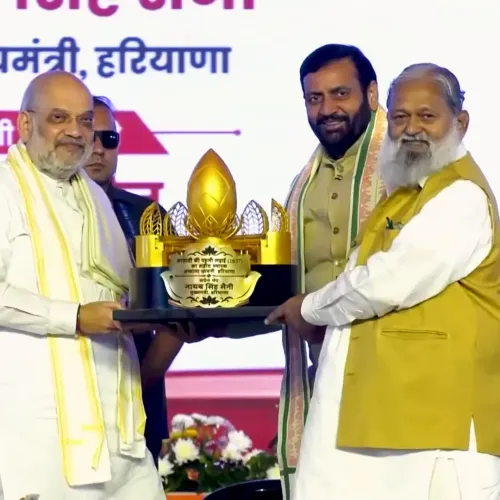
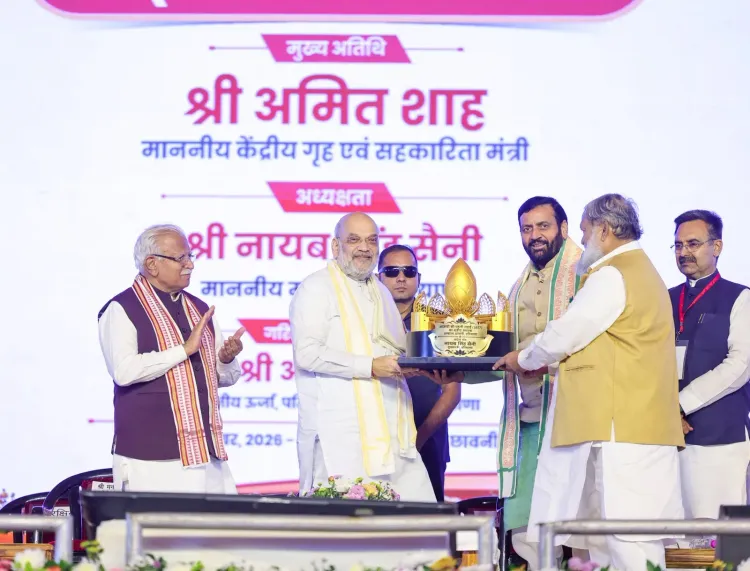
Union Home Minister Amit Shah inaugurated a memorial complex and museum for the martyrs of the 1857 uprising in Ambala, Haryana — the city historians identify as a key flashpoint of the revolt — performing a symbolic 'Tyag ki Mitti' offering and calling the rebellion a pan-Indian people's revolution.
Key Takeaways
Union Home Minister Amit Shah inaugurated a 1857 martyrs memorial and museum in Ambala, Haryana on November 5, 2026 .
Shah performed Tyag ki Mitti — a symbolic offering of 'soil of sacrifice' — to honour the freedom fighters of the 1857 revolt.
Ambala is recognised as one of the earliest flashpoints of the 1857 uprising , which spread across the country breaking barriers of region, language, and community.
The memorial is designed to inspire Indian youth with patriotism and to chronicle the sacrifice and valour of 1857-era freedom fighters.
The inauguration aligns with a broader government policy of preserving and amplifying heritage linked to the 1857 first war of independence at key historical sites across India.
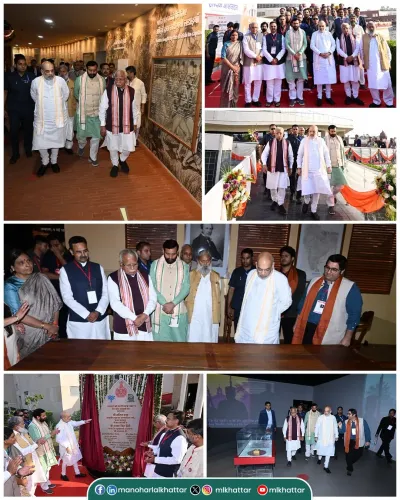
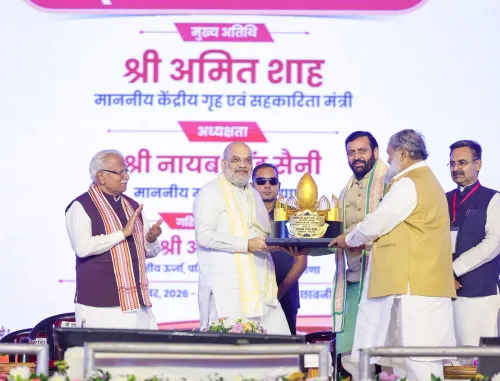
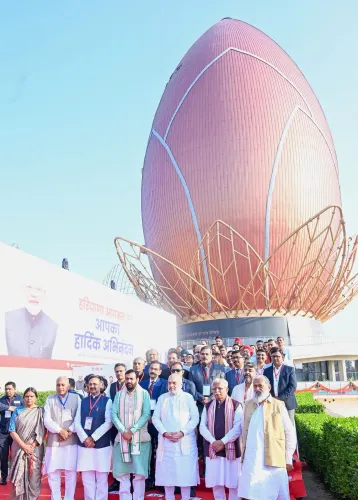
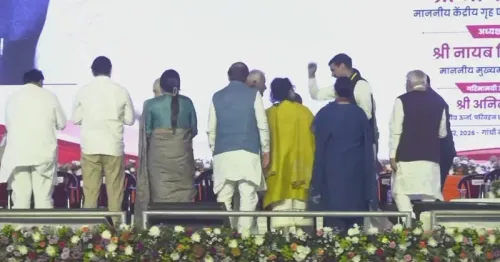
From the very ground where the first shots of India's rebellion against British rule were fired in 1857, Union Home Minister Amit Shah on Thursday, November 5, 2026 inaugurated a memorial complex and museum in Ambala, Haryana — honouring the martyrs of the revolt that many historians regard as the country's first war of independence.
A Symbolic Offering on Ambala's Soil
At the inauguration, Shah performed Tyag ki Mitti — literally, 'the soil of sacrifice' — a symbolic gesture of offering earth in tribute to the freedom fighters who gave their lives in the uprising. Posting on X, Shah wrote that 'the free India of today stands on the foundation of the sacrifices made by the brave souls of the 1857 revolution.'
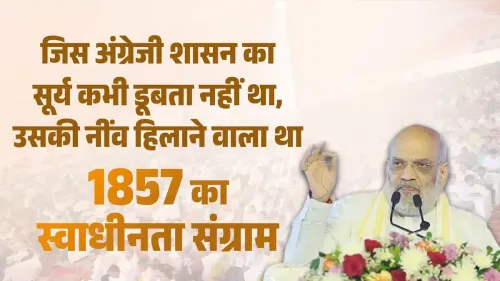
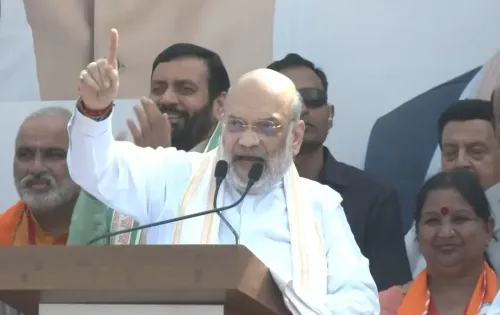
He described how the revolt, which ignited on Ambala's soil, rapidly spread across the entire nation, breaking down every wall of region, language, province, and community to become, in his words, an akhil Bharatiya jankranti — 'an all-India people's revolution.' That framing — a movement that transcended every fault line of a diverse subcontinent — sits at the heart of why this site was chosen for the memorial.
What the Memorial and Museum Will House
The complex is designed to chronicle the courage, sacrifice, and valour of India's freedom fighters of that era. Shah expressed confidence that the memorial would 'continuously inspire the youth of the country with patriotism' — positioning it as an educational and nationalist landmark rather than merely a historical exhibit.
Ambala holds a particularly significant place in the 1857 narrative. The cantonment city in Haryana is widely recognised as one of the earliest and most consequential flashpoints of the revolt, making it a logical and symbolically resonant location for a permanent tribute of this scale.
The 1857 Revolt and India's Memory
The 1857 uprising began as a mutiny among sepoys of the British East India Company but quickly broadened into a mass rebellion drawing in soldiers, zamindars, and ordinary citizens across northern and central India. Though suppressed by the British within roughly a year, it fundamentally altered colonial policy — leading directly to the Crown taking over governance from the Company in 1858.
India marked the 150th anniversary of the revolt in 2007 with national-level commemorations, memorials, and academic events. The Ambala inauguration fits into a continuing government effort to anchor living memorials to 1857 across its key sites — tying historical sacrifice to present-day national identity and ensuring the story reaches successive generations through physical, visitable spaces.
Projects like the Ambala complex reflect a deliberate policy of preserving and amplifying 1857-linked heritage — a revolt the government consistently characterises as proof that India's independence struggle was always pan-Indian, never fragmented by the very divisions colonial rule tried to exploit.
A museum that opens with soil offered in tribute, in a city where the rebellion first caught fire, carries a pointed message: that national memory, tended carefully, becomes the fuel of national purpose.
Point of View
Building a physical memorial, and linking the 1857 revolt's pan-Indian character to a contemporary message about national unity over regional or communal difference. By framing the uprising explicitly as a movement that broke every wall of 'region, language, province and community,' Shah is deploying a 169-year-old event as a direct counter-narrative to the idea that India's diversity is a source of division. The consistent expansion of 1857-linked commemorative infrastructure — begun around the 150th anniversary in 2007 and continuing — suggests a long-term institutional effort to embed this particular reading of history in public consciousness, with youth as the explicit target audience.
NationPress
6 Nov 2026
Frequently Asked Questions
What was inaugurated in Ambala by Amit Shah?
Union Home Minister Amit Shah inaugurated a memorial complex and museum dedicated to the martyrs of the 1857 revolt in Ambala, Haryana, on November 5, 2026.
What is 'Tyag ki Mitti' and why did Amit Shah offer it?
'Tyag ki Mitti' means 'soil of sacrifice' — a symbolic offering Shah made during the inauguration to pay tribute to the freedom fighters who died in the 1857 uprising.
Why is Ambala significant to the 1857 revolt?
Ambala, a cantonment city in Haryana, is widely recognised as one of the earliest and most important flashpoints of the 1857 uprising against British colonial rule.
What was the 1857 revolt and why is it called the first war of independence?
The 1857 revolt began as a sepoy mutiny against the British East India Company and rapidly expanded into a mass rebellion across northern and central India, drawing in diverse communities — leading historians and India's government to describe it as the country's first war of independence.
What is the purpose of the 1857 memorial museum in Ambala?
The museum is intended to document the sacrifice, valour, and patriotism of 1857-era freedom fighters and serve as an educational landmark to inspire Indian youth with national pride.