Pralhad Joshi Hails BRE Summit 2026 as Clean Energy Turning Point
Synopsis
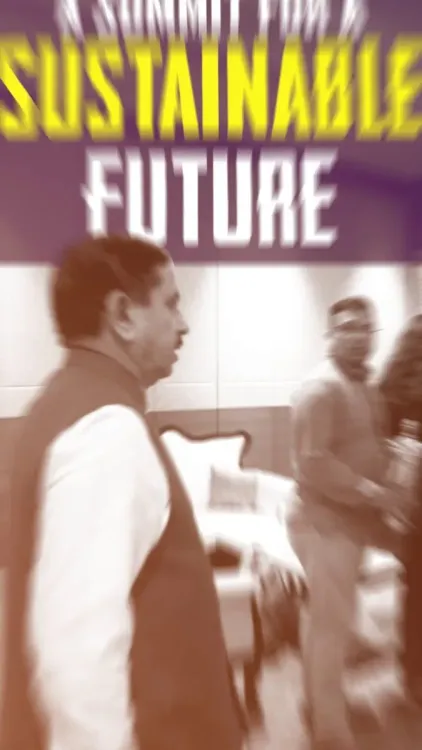
Union Minister Pralhad Joshi declared BRE Summit 2026 'the start of a cleaner world,' saying the gathering built global green partnerships and showcased India's clean energy ecosystem, creating a framework for a sustainable future.
Key Takeaways
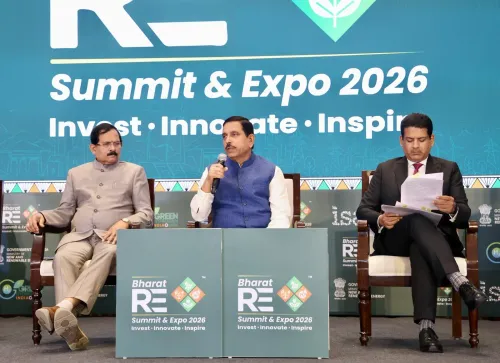
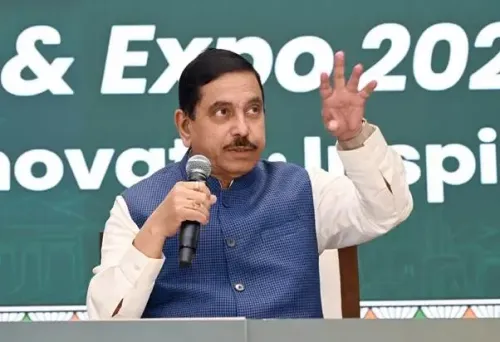
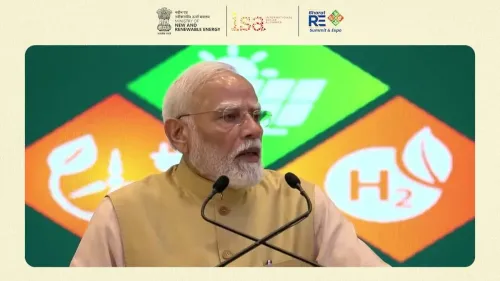
Pralhad Joshi , Union Minister of New and Renewable Energy, hailed #BRESummit2026 as a landmark step toward a cleaner world on 5 November 2026 .
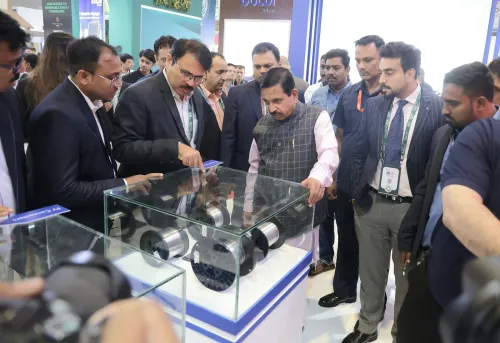
He said the summit built 'strong global green partnerships' and showcased India's 'powerful clean energy ecosystem' to the international community.
Joshi described the summit's key output as a 'framework' to power a sustainable future — language typically signalling structural agreements beyond a declaration.
India's clean energy diplomacy is rooted in its Panchamrit strategy announced at COP26 in 2021 , including a net-zero target by 2070 .
Specific investment commitments and partnership agreements from the summit are awaited as formal follow-up announcements.
A summit that set out to rewire the world's energy future wrapped up with a declaration that reverberated far beyond its meeting rooms — and Union Minister of New and Renewable Energy Pralhad Joshi made clear on Thursday, 5 November 2026, exactly what he believes was at stake. The #BRESummit2026, he said, was not merely another diplomatic gathering: it was 'the start of a cleaner world.'
Posting in both English and Kannada, Joshi framed the summit as a dual achievement — strengthening 'global green partnerships' while simultaneously putting India's 'powerful clean energy ecosystem' on the international map. The Kannada portion of his post mirrors the message: 'ಸ್ವಚ್ಛ ಜಗತ್ತಿನ ಕಡೆಗಿನ ಒಂದು ಹೊಸ ಹೆಜ್ಜೆ' ['a new step towards a clean world'] — a line that speaks as much to his home constituency in Karnataka as to the global audience he is addressing.
India's Clean Energy Pitch to the World
The summit's significance, as Joshi frames it, lies in what it created: a 'framework' — his word — that will 'power a sustainable future for everyone.' That language is deliberate. India has spent years building the case that its renewable ambitions are not just domestic targets but a contribution to the global commons.
That case rests on real numbers. India has steadily expanded its solar and wind capacity, positioning itself among the world's leading renewable energy markets. The Ministry of New and Renewable Energy, which Joshi heads alongside the Consumer Affairs portfolio, has driven successive rounds of capacity auctions, production-linked incentives, and multilateral technology tie-ups designed to pull international capital into the sector.
From Panchamrit to Partnership Frameworks
The diplomatic scaffolding behind summits like BRE 2026 traces back to India's Panchamrit climate strategy, announced at COP26 in Glasgow in 2021 — a five-point pledge that includes reaching net-zero emissions by 2070 and sourcing 50 per cent of energy from non-fossil fuels by 2030. Each ministerial summit since then has served as a checkpoint: how close is India to building the international partnerships that can make those numbers real?
Joshi's framing of BRE Summit 2026 as a 'framework' moment suggests the meeting produced something more structural than a communiqué — green investment pipelines, technology-transfer agreements, or bilateral clean energy pacts are the kind of outcomes such language typically signals. Specific deal details are yet to be formally announced.
What Follows the Summit
The watch now is on follow-through. Summit declarations age quickly without binding commitments and capital flows to match. The renewable energy sector — and India's international partners — will be looking for concrete investment announcements, project timelines, and regulatory signals that convert the 'framework' Joshi describes into megawatts on the ground and capital in the pipeline.
India has the ambition, the policy architecture, and now — if the minister is to be believed — the global partnerships. The cleaner world he describes begins in the details that follow.
Point of View
But as an architect of the global green transition — a framing that serves both diplomatic and domestic political goals. By invoking a 'framework' rather than listing specific deals, the minister keeps the summit's legacy open-ended and hard to audit in the short term, buying space for follow-up announcements. The bilingual English-Kannada post also signals that clean energy is now a vote-relevant issue in Karnataka, where the BJP is working to rebuild ground. Watch whether the 'framework' rhetoric is backed by investment figures in coming weeks — that gap between declaration and delivery will define this summit's real legacy.
NationPress
6 Nov 2026
Frequently Asked Questions
What is the BRE Summit 2026?
BRE Summit 2026 is an international summit focused on clean energy and green partnerships, which India participated in and which Union Minister Pralhad Joshi described as a landmark event for building global sustainability frameworks. Specific details of participants and outcomes are yet to be formally published.
What did Pralhad Joshi say about BRE Summit 2026?
Joshi said the summit was 'not just a meeting' but 'the start of a cleaner world,' crediting it with building strong global green partnerships and presenting India's clean energy ecosystem to the international community.
What is India's Panchamrit climate strategy?
The Panchamrit is India's five-point climate pledge announced at COP26 in Glasgow in 2021, including achieving net-zero emissions by 2070 and sourcing 50 per cent of energy from non-fossil fuels by 2030.
What is Pralhad Joshi's role in India's clean energy sector?
Pralhad Joshi serves as India's Union Minister of New and Renewable Energy alongside his role as Minister of Consumer Affairs, Food and Public Distribution, making him the cabinet-level authority overseeing India's renewable energy policy and international clean energy partnerships.
What green partnership outcomes are expected after BRE Summit 2026?
Following the summit, the renewable energy sector is watching for formal announcements on investment commitments, technology-transfer agreements, and bilateral clean energy pacts that would give substance to the 'framework' Joshi described in his post.