CM Dhami Reaffirms Govt's Resolve to Protect Uttarakhand's Sacred Heritage

Synopsis
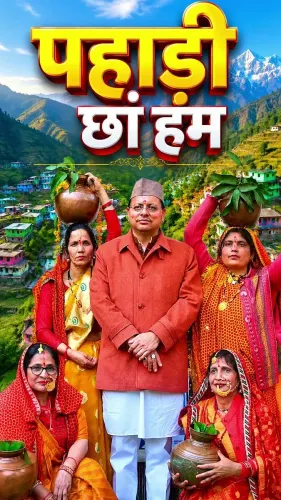
Uttarakhand Chief Minister Pushkar Singh Dhami on June 8, 2026 declared his government firmly resolved to preserve and promote the cultural heritage, religious traditions, and divine identity of Devbhoomi Uttarakhand, the state's defining Sanatan character central to its governance and pilgrimage economy.
Key Takeaways
CM Pushkar Singh Dhami on June 8, 2026 publicly reaffirmed the state government's resolve to protect Uttarakhand's cultural and religious heritage.
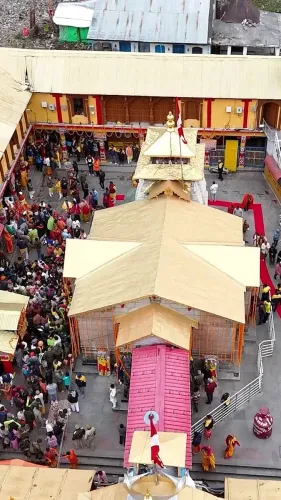
The statement invokes Devbhoomi — Uttarakhand's identity as the Land of the Gods — anchored in sites like Badrinath and Kedarnath .
The Dhami administration has since 2022 built mechanisms for temple property management and preservation of local deity traditions.
The Char Dham all-weather road project , begun in 2018 , forms part of the broader infrastructure backing this cultural-religious policy commitment.
Key stakeholders include pilgrims , temple priests , and hill communities whose livelihoods depend on religious tourism.
Concrete scheme announcements ahead of the 2027 yatra season will be a key indicator of how this commitment is operationalised.
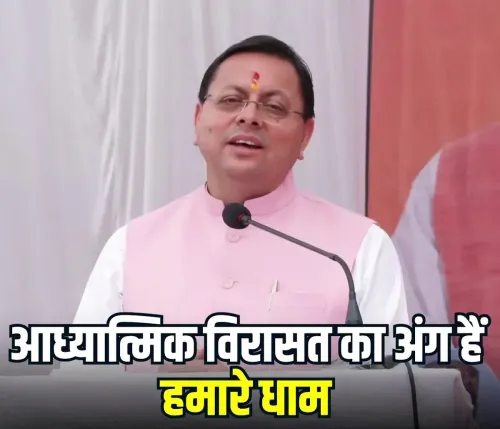
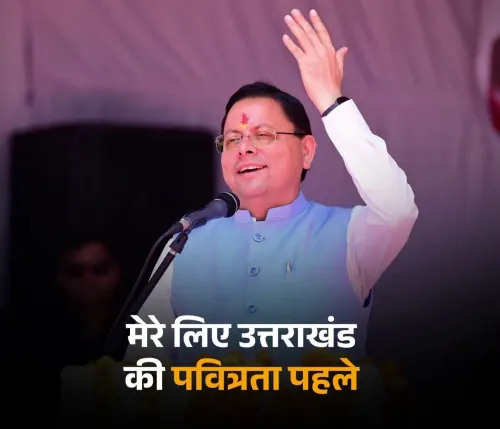
Uttarakhand Chief Minister Pushkar Singh Dhami on Monday, June 8, 2026, reaffirmed his government's commitment to preserving and promoting the cultural heritage, religious traditions, and divine character of Uttarakhand, the state widely revered as Devbhoomi — the Land of the Gods.
Posting on X, CM Dhami wrote: 'सनातन संस्कृति के विशिष्ट केंद्र देवभूमि उत्तराखंड की सांस्कृतिक विरासत, धार्मिक परंपराओं एवं देवत्व के संरक्षण और संवर्धन के लिए हमारी सरकार दृढ़ संकल्पित है।' ['Our government is firmly resolved to protect and promote the cultural heritage, religious traditions, and divinity of Devbhoomi Uttarakhand, the distinguished centre of Sanatan culture.']
Context
Uttarakhand is home to some of India's most significant Hindu pilgrimage sites, including Badrinath, Kedarnath, Gangotri, and Yamunotri — collectively known as the Char Dham. The state's identity as Devbhoomi is both a spiritual designation and a cornerstone of its governance and tourism narrative. CM Dhami's statement signals a continued policy orientation toward safeguarding this identity at the institutional level.
Policy Backdrop
The Dhami administration has, since 2022, put in place mechanisms for improved management of temple properties and local deity traditions across the hill state. These steps built on earlier infrastructure work, including the Char Dham all-weather road project initiated in 2018, which aimed to improve year-round access to the four sacred shrines and strengthen the pilgrimage economy.
The broader BJP approach in temple-centric and Himalayan states has consistently linked cultural preservation with religious tourism development and local governance reforms. Uttarakhand's dense concentration of pilgrimage infrastructure makes it a focal point for such policy commitments at the state level.
Stakeholders and Impact
The communities most directly affected by cultural heritage and religious preservation policies include pilgrims who visit the state in large numbers each year, temple priests and religious custodians, and hill communities whose livelihoods are tied to the pilgrimage economy. Strengthened institutional frameworks for heritage protection can influence how temple trusts are governed, how local deity traditions are maintained, and how religious tourism revenue is managed.
For the state's broader population, the preservation of Devbhoomi's character carries both cultural and economic weight, as religious tourism is one of Uttarakhand's primary drivers of income and employment.
What's Next
Observers will watch for concrete scheme rollouts or legislative steps that give operational form to the government's stated resolve, particularly ahead of the 2027 yatra season. Any new temple conservation initiatives, heritage protection frameworks, or policy announcements in the coming months will be seen as a test of how this commitment translates into action on the ground.
Point of View
Particularly in constituencies with deep pilgrimage significance. By publicly invoking Devbhoomi and Sanatan Sanskriti, the Chief Minister reinforces a narrative that frames heritage protection not merely as cultural policy but as a core governing mandate. The timing — well ahead of the 2027 yatra season — suggests a deliberate effort to set the agenda for upcoming policy announcements. Whether the statement is followed by substantive legislative or administrative action will determine how it is ultimately judged by the communities it claims to serve.
NationPress
26 Oct 2026
Frequently Asked Questions
What did Uttarakhand CM Pushkar Singh Dhami say about Devbhoomi?
On June 8, 2026, CM Dhami stated that his government is firmly resolved to protect and promote the cultural heritage, religious traditions, and divinity of Devbhoomi Uttarakhand, the distinguished centre of Sanatan culture.
Why is Uttarakhand called Devbhoomi?
Uttarakhand is called Devbhoomi, meaning 'Land of the Gods', because it is home to some of Hinduism's most sacred pilgrimage sites, including the Char Dham — Badrinath, Kedarnath, Gangotri, and Yamunotri.
What is the Char Dham all-weather road project?
The Char Dham all-weather road project, initiated in 2018, is a central government-backed infrastructure initiative to improve year-round road connectivity to the four sacred Char Dham shrines in Uttarakhand.
What steps has the Dhami government taken for temple heritage in Uttarakhand?
Since 2022, the Dhami administration has established mechanisms for better management of temple properties and local deity traditions across Uttarakhand, building on earlier pilgrimage infrastructure work.
What is Sanatan Sanskriti in the context of Uttarakhand politics?
Sanatan Sanskriti refers to the ancient Hindu cultural and religious tradition. In Uttarakhand's political context, it is frequently invoked to underscore the state's identity as a centre of Hindu pilgrimage and to justify policies aimed at preserving its religious heritage.