CM Dhami Calls for Ethical Governance at Ceremonial Gathering
Synopsis
Uttarakhand CM Pushkar Singh Dhami, flanked by Cabinet Minister Khajan Dass, used an auspicious ceremonial occasion to call for a collective resolve to build a strong, prosperous Uttarakhand on the principles of truth, righteousness, and moral conduct.
Key Takeaways
CM Pushkar Singh Dhami addressed a ceremonial gathering in Uttarakhand on October 20, 2026 .
He called for a collective resolution to build a 'strong and prosperous Uttarakhand' guided by satya, dharma, and sadachar .
Cabinet Minister Khajan Dass and other dignitaries were present at the event.
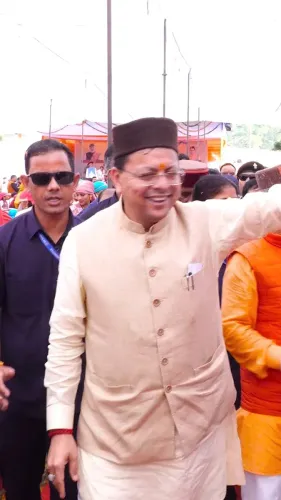
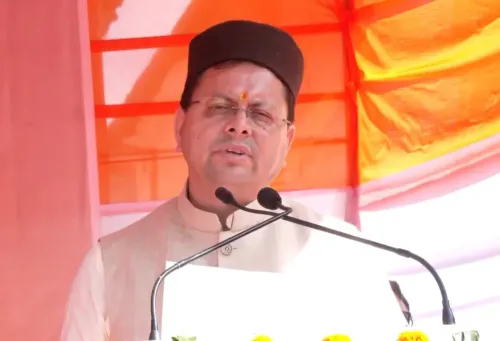
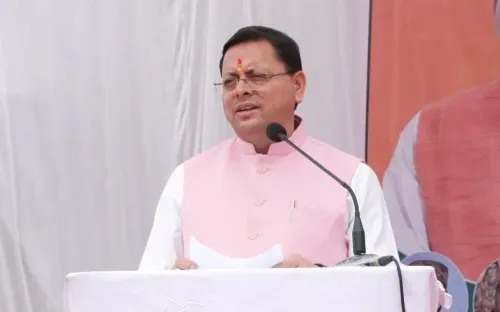
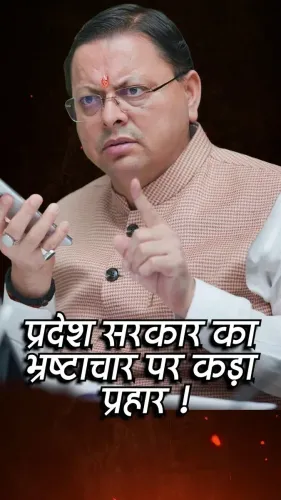
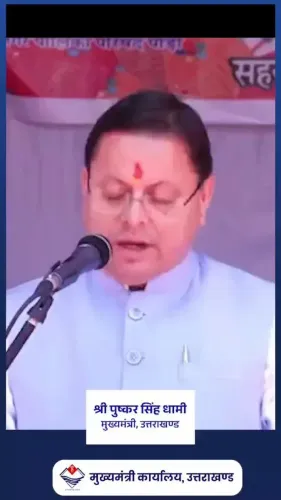
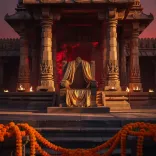
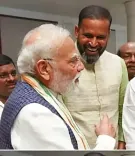
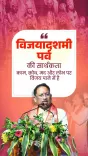
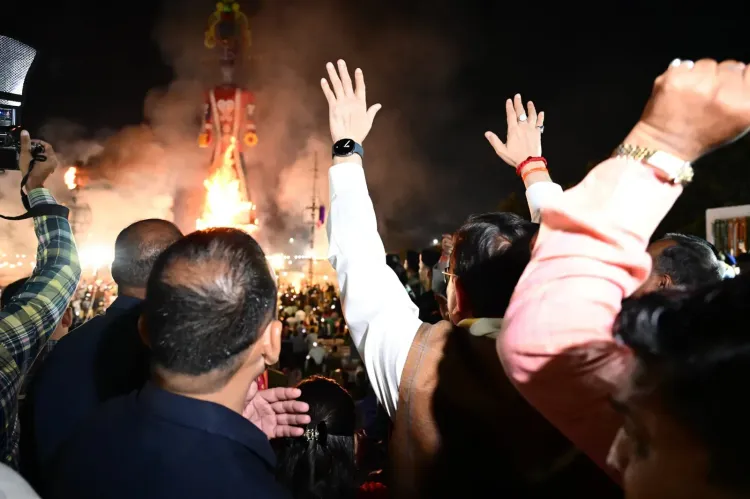
The post included 3 images from the occasion, underscoring its official, ceremonial nature.
The messaging fits an established BJP Uttarakhand pattern of weaving cultural and ethical language into governance narratives.
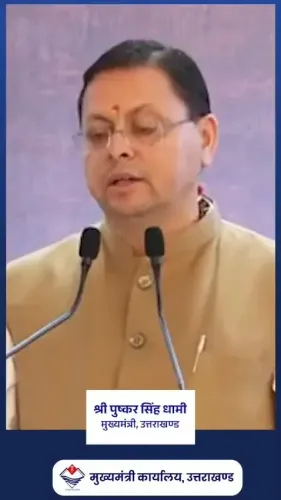
At a ceremonial gathering in Uttarakhand on Tuesday, October 20, 2026, Uttarakhand Chief Minister Pushkar Singh Dhami invoked the principles of truth, righteousness, and moral conduct as the foundation for building a stronger, more prosperous state — with Cabinet Minister Khajan Dass and other dignitaries present by his side.
Posting on X, CM Dhami urged citizens and colleagues alike: 'Aiye, is pavan avasar par hum sabhi satya, dharma aur sadachar ke marg par chalte hue sashakt evam samridh Uttarakhand ke nirman ka sankalp lein' — 'Come, let us all, on this auspicious occasion, resolve to walk the path of truth, righteousness, and good conduct and build a strong and prosperous Uttarakhand.' The message, shared alongside three images from the event, framed governance itself as a moral undertaking.
Dhami's ethical-development blend at work
The invocation of satya (truth), dharma (righteousness), and sadachar (moral conduct) is a recurring motif in how BJP leaders in Uttarakhand stitch cultural identity to development ambitions. For a state that brands itself as Devbhoomi — the land of the gods — the language of ethical resolve carries weight well beyond political formality. It signals continuity between ancient heritage and contemporary statecraft.
Cabinet Minister Khajan Dass, a BJP colleague and regular presence at official state functions, was among the dignitaries seated at the occasion, lending institutional heft to what was a ceremonially charged moment. The specific occasion was not named in the post, but the character of the gathering — ministers, dignitaries, a public pledge — points to a formal state or cultural event.
A pattern of pledges, and what it signals for Uttarakhand
This kind of messaging is not incidental. Under CM Dhami, Uttarakhand has consistently positioned its development narrative inside a cultural and spiritual framework — whether in infrastructure projects near pilgrimage corridors, policy around the Char Dham route, or public addresses anchored in Vedic vocabulary. The intent is to make 'progress' feel indigenous rather than purely technocratic.
The pledge-at-a-ceremony format also serves a political function: it converts a single event into a public contract — the Chief Minister, in front of witnesses, binding the administration to a value system that voters in Uttarakhand widely share.
Point of View
This framing neutralises purely technocratic opposition by elevating politics into the register of values. Khajan Dass's visible presence reinforces cabinet solidarity around this message. Whether such value-laden pledges translate into specific legislative or budgetary follow-through remains the sharper question for observers of Uttarakhand governance.
NationPress
21 Oct 2026
Frequently Asked Questions
What did CM Pushkar Singh Dhami say at the October 2026 ceremony?
CM Dhami called on all present to resolve to build a strong and prosperous Uttarakhand by walking the path of truth, righteousness, and moral conduct on the auspicious occasion.
Who is Khajan Dass in Uttarakhand politics?
Khajan Dass is a Cabinet Minister in the Uttarakhand government and a BJP member who regularly attends official state functions alongside CM Dhami.
What does 'satya dharma sadachar' mean in the context of CM Dhami's speech?
'Satya' means truth, 'dharma' means righteousness or duty, and 'sadachar' means moral or ethical conduct — together they form the value framework CM Dhami invoked as guiding principles for state governance.
Why does BJP Uttarakhand blend cultural language with development messaging?
Uttarakhand is widely known as Devbhoomi, a land of spiritual significance, and BJP leaders regularly anchor governance narratives in cultural and ethical values to resonate with the state's religious identity and voter base.
What is the broader pattern behind CM Dhami's ceremonial pledges?
Posts invoking ethical values for state progress are part of routine public messaging by BJP state leaders in Uttarakhand, typically delivered at formal gatherings attended by ministers to reinforce a moral framing of governance.