CM Dhami Vows to Keep Developing Uttarakhand's Dhams
Synopsis
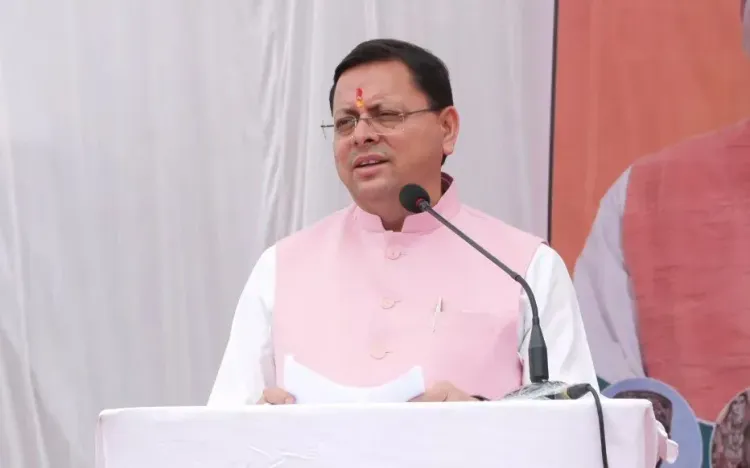
Chief Minister Pushkar Singh Dhami on 21 June 2026 reaffirmed his government's commitment to developing Uttarakhand's sacred dhams, dismissing critics as practitioners of appeasement politics and pledging to preserve the state's rich cultural heritage.
Key Takeaways
CM Pushkar Dhami on 21 June 2026 publicly reaffirmed his government's commitment to developing Uttarakhand's dhams.
He directly criticised unnamed political opponents, accusing them of practising 'appeasement politics' to oppose temple development.
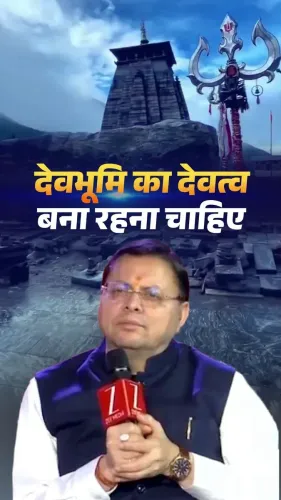
Dhami described the Char Dham shrines — Badrinath , Kedarnath , Gangotri , and Yamunotri — as the soul and identity of Uttarakhand .
The statement is consistent with the BJP -led government's broader pattern of framing temple infrastructure as cultural preservation.
Ongoing Char Dham road-widening and shrine restoration projects remain key areas to watch for concrete progress.
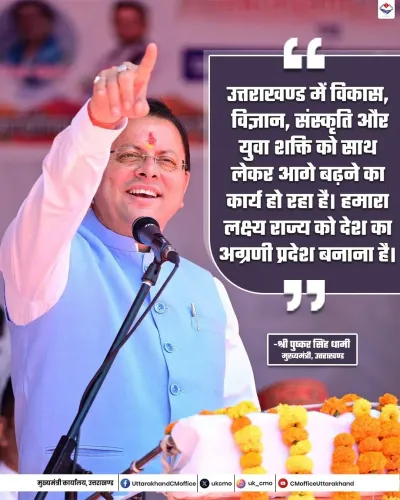
The Chief Minister's Office of Uttarakhand on Sunday, 21 June 2026 shared a statement by Chief Minister Pushkar Singh Dhami asserting his government's commitment to developing the state's sacred dhams, pushing back against critics who he said oppose temple development for political reasons.
In the statement posted on X, CM Dhami said: 'Tushtikaaran ki rajneeti karne wale kuch logon ko mandaron ka vikas pasand nahin aa raha hai' ('Some people who practise the politics of appeasement do not like the development of temples'). He added that his government develops the dhams because 'dham hamari pehchaan hai aur yahan Uttarakhand ki aatma basti hai' ('the dhams are our identity and the soul of Uttarakhand resides here'). The Chief Minister concluded by pledging to 'continuously work for the preservation of Uttarakhand's rich heritage.'
Context
Uttarakhand is home to the Char Dham — the four major Hindu pilgrimage shrines of Badrinath, Kedarnath, Gangotri, and Yamunotri — which draw millions of pilgrims annually. CM Dhami, who has led the state since 2021, has consistently positioned temple development and heritage preservation as central planks of his administration.
The statement appears to be a direct response to criticism from political opponents, though Dhami did not name any specific party or individual. The framing of temple development as cultural identity rather than partisan politics is a recurring theme in his public communications.
Policy Backdrop
The BJP-led Uttarakhand government has channelled funds into renovation and infrastructure upgrades around prominent pilgrimage circuits. This push gained momentum after the devastating 2013 Kedarnath floods, which prompted large-scale reconstruction of the shrine and improved connectivity to the region.
Similar temple-focused development projects have been undertaken by BJP-governed states including Uttar Pradesh, Madhya Pradesh, and Gujarat. State leaders in these cases have consistently described the work as cultural preservation, while opposition parties have at times characterised it as majoritarian politics.
Stakeholders and Impact
The primary beneficiaries of dham development are pilgrims and tourism operators across Uttarakhand, for whom improved infrastructure at the Char Dham sites means safer access and better facilities. Local communities dependent on pilgrimage-linked livelihoods also stand to gain from sustained investment in these corridors.
Critics, whom Dhami alludes to without naming, argue that the emphasis on Hindu religious sites reflects a selective approach to public spending. The government's position is that the dhams are inseparable from Uttarakhand's cultural and economic identity and therefore merit priority attention.
What's Next
Progress on ongoing Char Dham road-widening and shrine restoration works will be closely watched, as will any fresh budget announcements for heritage sites in the next Uttarakhand assembly session. CM Dhami's statement signals that his administration intends to make heritage development a defining electoral and governance narrative heading into the next political cycle.
Frequently Asked Questions
Why did CM Dhami make a statement about dham development?
CM Pushkar Dhami made the statement on 21 June 2026 to push back against unnamed critics who he said oppose temple development, asserting that the dhams are central to Uttarakhand's identity and pledging to continue heritage preservation work.
What are the Char Dham shrines in Uttarakhand?
The Char Dham refers to four major Hindu pilgrimage temples in Uttarakhand: Badrinath, Kedarnath, Gangotri, and Yamunotri, which collectively draw millions of pilgrims every year.
What is Pushkar Dhami's stance on temple development?
CM Dhami has consistently supported government investment in temple and dham infrastructure, framing it as cultural preservation and a reflection of Uttarakhand's identity rather than religious politics.
What does 'tushtikaaran ki rajneeti' mean in Dhami's statement?
'Tushtikaaran ki rajneeti' translates to 'politics of appeasement' — a phrase Dhami used to describe unnamed opponents who he claimed object to the development of temples and dhams in Uttarakhand.
What Char Dham infrastructure projects are underway in Uttarakhand?
The Uttarakhand government has been pursuing road-widening under the Char Dham connectivity project and shrine restoration works, efforts that gained momentum after the 2013 Kedarnath floods. Specific new project details from 2026 are awaited.