CM Dhami: State Interest Above Politics in Uttarakhand
Synopsis
Uttarakhand Chief Minister Pushkar Singh Dhami on 11 July 2026 posted a crisp Hindi declaration on X — 'Not politics, state interest is paramount' — reinforcing his governance-first positioning and signalling priorities ahead of the next assembly session and budget cycle.
Key Takeaways
CM Pushkar Singh Dhami posted on X on 11 July 2026 asserting that state interest, not politics, guides his administration.
The Hindi phrase Rajneeti nahin, rajya-hit sarvopari translates to 'Not politics, the state's interest is paramount.' Dhami has served as Uttarakhand Chief Minister since 2021 , focusing on development, anti-migration measures, and the Uniform Civil Code .
The statement implicitly addresses criticism that BJP-ruled states prioritise national party agendas over local governance needs.
The next assembly session and state budget will be the concrete tests of this declared priority.
Uttarakhand was established in 2000 and faces ongoing challenges in infrastructure, out-migration, and Himalayan ecological management.
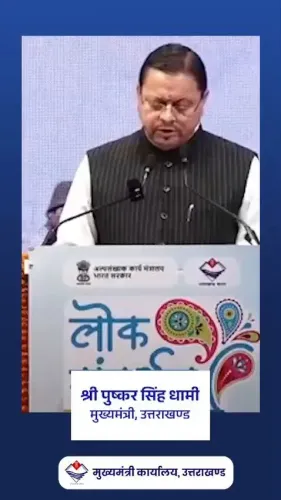
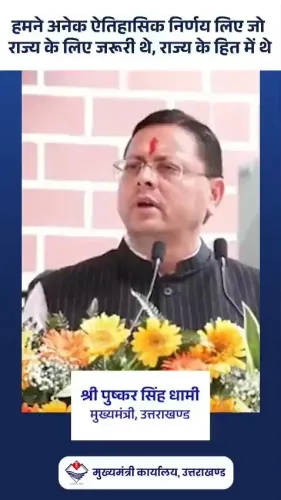
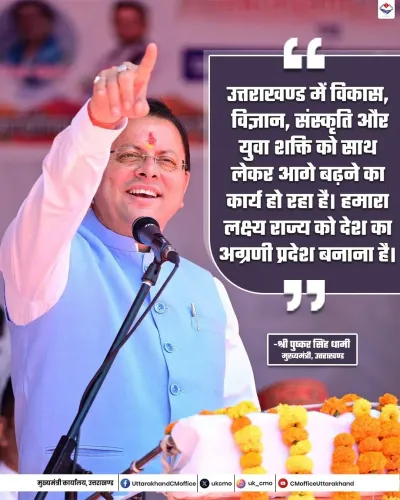
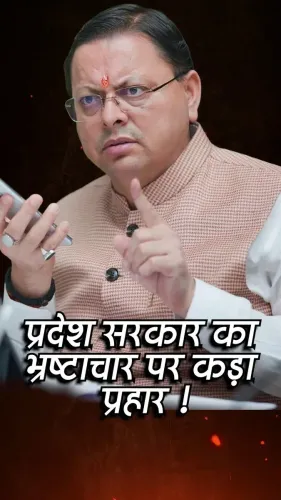
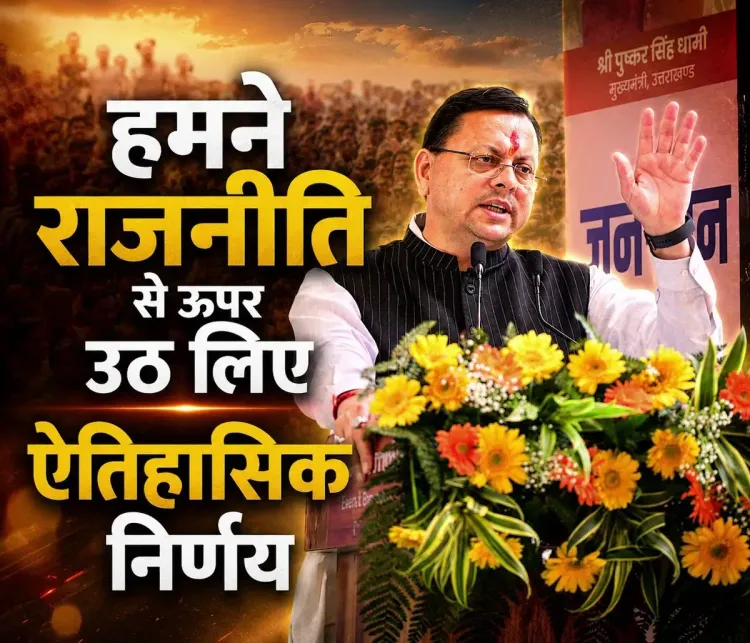
Uttarakhand Chief Minister Pushkar Singh Dhami on Saturday, 11 July 2026, posted a pointed declaration on X, asserting that governance in Uttarakhand is driven by state interest rather than political considerations. The four-word Hindi statement — Rajneeti nahin, rajya-hit sarvopari ('Not politics, the state's interest is paramount') — was accompanied by a video and signals a deliberate effort to frame his administration's priorities ahead of any political debate.
Context
Dhami, who assumed office as Uttarakhand's Chief Minister in 2021, has consistently positioned himself as a development-first administrator in a state that faces persistent challenges including out-migration, infrastructure gaps, and the demands of a fragile Himalayan ecology. His post on 11 July 2026 distills that positioning into a sharp, quotable slogan. The statement, while brief, carries political weight: it implicitly distances his administration from the perception that decisions are made along party lines rather than in the public interest.
Indian Chief Ministers, particularly in BJP-governed hill states, periodically issue such state-first declarations to consolidate public support across party affiliations. The messaging is calibrated to appeal to residents who may be frustrated with the pace of development or with national-level political dynamics filtering into state governance.
Policy Backdrop
Uttarakhand, carved out of Uttar Pradesh in 2000, has spent over two decades building an identity as a governance-focused hill state. Since taking charge, Dhami has pushed initiatives around anti-migration policy, infrastructure development, and positioning the state as a spiritual and tourism hub. His government has also worked on implementing the Uniform Civil Code, making Uttarakhand the first state in independent India to legislate it — a move that blended ideological commitment with state-level governance ambition.
The broader pattern in hill-state politics involves a careful balancing act: aligning with the national BJP agenda while demonstrating tangible local outcomes. A state-interest-first message reinforces that the Chief Minister is not merely a relay for central directives but an active steward of Uttarakhand's distinct needs.
Stakeholders and Impact
The primary audience for this message is Uttarakhand's residents, particularly those in rural and semi-urban hill districts who have long demanded that governance prioritise local livelihoods, road connectivity, and employment over partisan calculations. The state opposition is the implicit target: such declarations are often a pre-emptive response to criticism that the ruling party subordinates state welfare to national political interests.
Civil society groups focused on migration reversal, mountain-region development, and disaster preparedness in the Himalayas will watch whether the statement translates into concrete policy announcements. Investors and tourism stakeholders in the state also track the Chief Minister's signalling for indications of administrative stability and priority-setting.
What's Next
The next Uttarakhand assembly session and the upcoming state budget cycle will be the practical tests of this stated priority. Observers will look for allocations in infrastructure, rural employment, and ecological resilience that substantiate the 'state interest first' framing. Any significant policy announcement in the weeks following this post will be read in light of this declaration.
For now, CM Dhami's four-word assertion sets a public benchmark against which his administration's decisions will be measured — a deliberate move that raises the accountability stakes for his own government while putting the opposition on notice.
Point of View
Visible or not, are evidently mounting. In BJP-governed hill states, this kind of state-first signalling serves a dual purpose: it reassures a development-hungry electorate while subtly putting the opposition on the defensive. The declaration also echoes a broader pattern within the BJP's state-level playbook, where ideological alignment with the centre is balanced by conspicuous demonstrations of local autonomy. Whether the rhetoric translates into measurable policy outcomes will determine its lasting political value.
NationPress
10 Oct 2026
Frequently Asked Questions
What did Uttarakhand CM Pushkar Singh Dhami post on X on 11 July 2026?
CM Dhami posted the Hindi phrase 'Rajneeti nahin, rajya-hit sarvopari,' meaning 'Not politics, the state's interest is paramount,' along with a video, signalling a governance-first stance for his administration.
What does 'rajya-hit sarvopari' mean in English?
'Rajya-hit sarvopari' translates to 'the state's interest is paramount,' indicating that Dhami is prioritising Uttarakhand's welfare over political considerations.
When did Pushkar Singh Dhami become Chief Minister of Uttarakhand?
Pushkar Singh Dhami assumed office as Chief Minister of Uttarakhand in 2021 and has since focused on development, anti-migration policy, and implementing the Uniform Civil Code.
Why do BJP Chief Ministers in hill states make state-interest-first statements?
Such declarations help ruling Chief Ministers demonstrate local governance autonomy, reassure residents that state needs take precedence over national party directives, and pre-empt opposition criticism about partisan governance.
What should we watch for after Dhami's 'state interest' declaration?
The next Uttarakhand assembly session and state budget announcements will be the key tests — observers will look for concrete policy allocations in infrastructure, rural employment, and ecological resilience that back up the stated priority.