CM Dhami Reaffirms Uttarakhand's Push for Good Governance
Synopsis
Uttarakhand Chief Minister Pushkar Singh Dhami on 19 June 2026 reaffirmed his administration's focus on transparency, accountability, and good governance, continuing a pattern of digital and administrative reform messaging seen across BJP-led states since 2014.
Key Takeaways
CM Pushkar Singh Dhami posted on X on 19 June 2026 reaffirming Uttarakhand's commitment to transparency and good governance.
The post included a video, suggesting a link to a specific governance initiative or milestone.
Dhami has served as Uttarakhand Chief Minister since 2021 , with administrative reform as a central policy theme.
Uttarakhand participates in the central government's Digital India programme, expanding e-office and online service delivery systems.
The 'su-shasan' (good governance) message is consistent with BJP -led state administrations' broader communication strategy since 2014 .
State-level e-governance performance reports and upcoming assembly sessions will be key indicators of follow-through on these commitments.
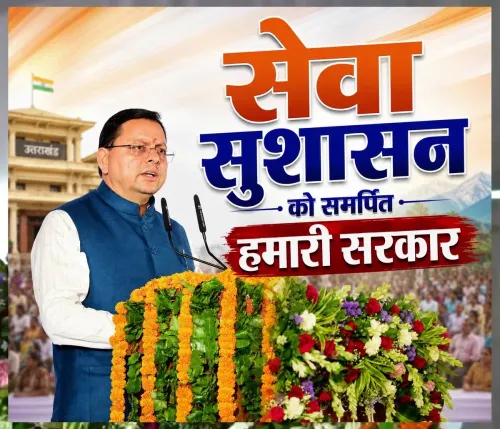
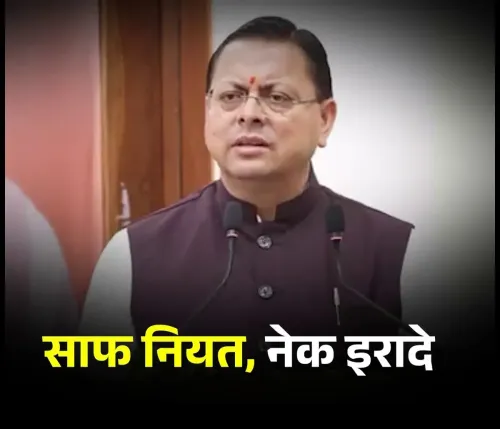
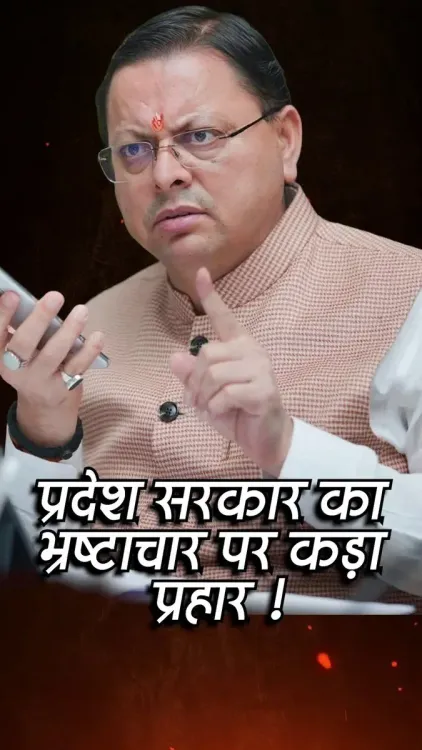
Uttarakhand Chief Minister Pushkar Singh Dhami on Friday, 19 June 2026, reaffirmed his government's commitment to transparency, accountability, and good governance in the state, sharing an update on X that underscored the administration's ongoing reform agenda.
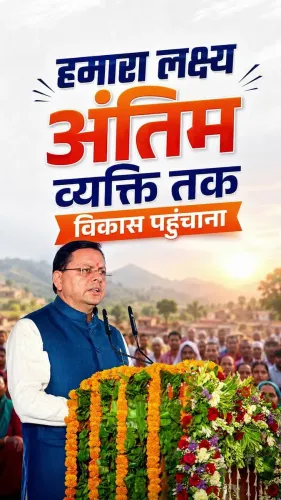
In his post, CM Dhami wrote — 'Paaradarshhita, jawaaabdehi aur sushasan ki disha mein dridhata se agrashar Uttarakhand' — translating to: 'Uttarakhand steadfastly advancing in the direction of transparency, accountability, and good governance.' The message, though brief, carries the hallmarks of a governance-communication strategy that BJP-led state administrations have consistently deployed since 2014.
Context
Pushkar Singh Dhami has served as Chief Minister of Uttarakhand since 2021, making him one of the younger chief ministers in the country. His administration has repeatedly positioned itself around the twin pillars of administrative efficiency and citizen-centric governance. Posts of this nature are part of a broader effort to keep governance themes in public discourse, particularly on social media.
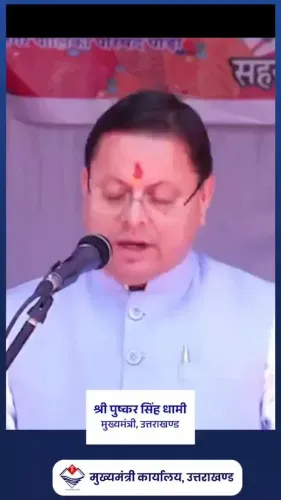
The post was accompanied by a video, suggesting it may be linked to a specific initiative, event, or governance milestone — though the precise subject of the video was not disclosed in the available metadata.
Policy Backdrop
Uttarakhand has been an active participant in the central government's Digital India programme, launched in 2015, which aims to expand transparency through online portals, grievance redressal mechanisms, and digital public service delivery. Under Dhami's tenure, the state introduced e-office systems and expanded online service delivery frameworks aligned with national digitisation goals.
The concept of 'su-shasan' — or good governance — has been a recurring theme across BJP-ruled states, often operationalised through measures such as real-time performance dashboards, RTI compliance tracking, and online procurement systems. Uttarakhand's administrative modernisation efforts fit within this larger national pattern.
Stakeholders and Impact
The primary beneficiaries of any governance reform push are Uttarakhand's citizens, who interact daily with state services ranging from land records to public health and education. State government employees are also key stakeholders, as digitisation and accountability frameworks directly alter administrative workflows and performance expectations.
For a Himalayan state with a significant rural and semi-urban population spread across difficult terrain, digital governance holds particular promise in reducing the need for physical visits to government offices and cutting down on procedural delays.
What's Next
Observers will watch for state-level reports on e-governance performance metrics and any forthcoming announcements from the Dhami administration detailing specific schemes or policy actions linked to this messaging. Assembly sessions in Uttarakhand may also see discussions on accountability legislation or digital service delivery outcomes.
As BJP-led states continue to align their governance narratives with the central government's reform agenda, CM Dhami's consistent emphasis on transparency signals that good governance will remain a defining theme of his administration heading into the latter half of the decade.
Point of View
Value-laden, and designed to reinforce a clean-administration identity ahead of any upcoming political cycle. It fits squarely within the BJP's national template of framing state rule around 'su-shasan,' a narrative that has proven electorally effective since 2014. For Uttarakhand, a state where terrain and infrastructure historically impede service delivery, digital governance is not merely optics — it addresses a structural challenge. The real test will be whether the messaging is backed by measurable improvements in citizen-facing service metrics that assembly scrutiny or public audits can verify.
NationPress
18 Sept 2026
Frequently Asked Questions
What did Uttarakhand CM Pushkar Singh Dhami post on X on 19 June 2026?
CM Dhami posted that Uttarakhand is steadfastly advancing in the direction of transparency, accountability, and good governance, accompanied by a video on his official X account.
What governance reforms has the Dhami government introduced in Uttarakhand?
Under CM Dhami, Uttarakhand has introduced e-office systems and expanded online service delivery frameworks as part of its participation in the central government's Digital India programme launched in 2015.
What does 'su-shasan' mean and why is it significant in Indian politics?
'Su-shasan' means good governance in Hindi and has been a central political and policy theme for BJP-led administrations at both the central and state levels since 2014, often linked to anti-corruption drives and digital service delivery.
How long has Pushkar Singh Dhami been Chief Minister of Uttarakhand?
Pushkar Singh Dhami has served as Chief Minister of Uttarakhand since 2021, making him one of the younger chief ministers in the country.
What should citizens watch for following CM Dhami's governance announcement?
Citizens and observers should watch for state-level e-governance performance reports, specific scheme announcements, and assembly discussions on accountability legislation that would give substance to the transparency messaging.