White House: Millions Paid No Tax on Tips Under Trump Policy

Synopsis
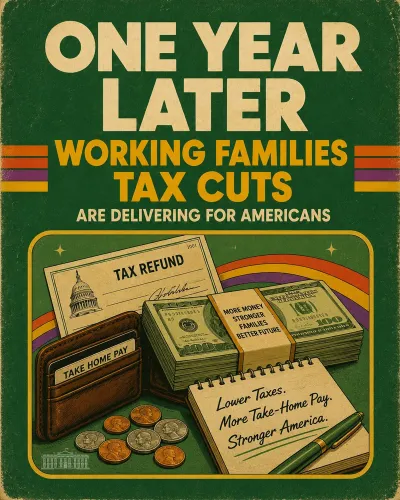
The White House claims millions of Americans paid zero federal tax on tip income this tax season, attributing the benefit to President Trump's 'Working Families Tax Cuts' — a landmark, if still-unverified, shift in U.S. tax policy for service-sector workers.
Key Takeaways
The White House announced that millions of Americans paid no federal tax on tip income in the 2026 tax season .
The exemption is credited to President Donald Trump and legislation called the 'Working Families Tax Cuts.' The claim builds on Trump's first-term Tax Cuts and Jobs Act of 2017 , the largest U.S. tax overhaul in three decades.
The specific policy name and the scale of the exemption have not yet been independently verified from public legislative records.
Tipped workers — including restaurant, hotel, and service employees — are the primary beneficiaries cited.
IRS guidance and congressional filings in coming weeks will clarify the legal scope and permanence of the tip exemption.
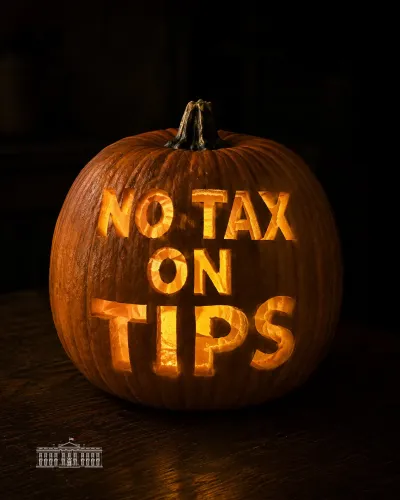
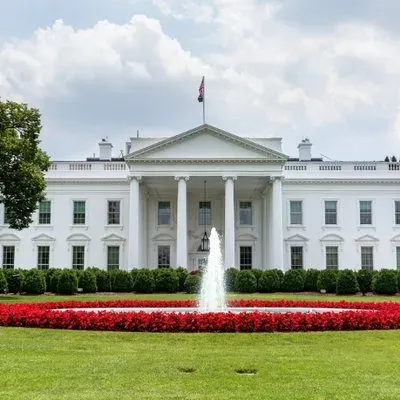
A tax season milestone is being claimed at 1600 Pennsylvania Avenue: the White House says millions of American workers in tipped professions paid zero federal tax on their tip income this filing season — a benefit it credits directly to President Donald Trump and what it calls the 'Working Families Tax Cuts.'
What the No-Tax-on-Tips Claim Actually Means
The post frames the tip-income exemption as a landmark victory for service-sector workers — the waitstaff, hotel workers, delivery drivers, and salon employees who depend on gratuities as a core part of their earnings. For these workers, tip income has historically been fully taxable, meaning every dollar left on a table was a dollar the IRS could reach. An exemption, if enacted and applied cleanly, would represent a meaningful shift in take-home pay for millions of Americans in the lower-to-middle income bands.
The White House credits President Trump's 'determination' to push the legislation through — language that frames the measure as a signature political win ahead of what is clearly an active policy communications cycle.
The Tax-Cut Lineage Behind the Claim
Trump's record on tax policy stretches back to the Tax Cuts and Jobs Act of 2017, which he signed in December 2017 during his first term. That law was the most sweeping overhaul of the U.S. federal tax code in three decades — slashing the corporate rate from 35% to 21% and reducing individual brackets across the board. The present claim of a tip-income exemption fits a consistent political narrative: cutting the burden on working Americans, particularly those outside salaried, benefits-rich employment.
Service-sector workers represent one of the largest and most economically precarious segments of the American workforce, and tip income is notoriously inconsistent — making it a politically resonant target for tax relief.
What Remains Unconfirmed — and Why It Matters
The specific legislative label — 'Working Families Tax Cuts' — and the precise statutory mechanism behind the tip exemption have not been independently confirmed from public legislative records as of this report. The breadth of the claim ('millions of Americans') also awaits IRS data verification. Policy watchers will be looking closely at IRS guidance and congressional filings in the coming weeks to establish the legal framework and the actual scale of uptake. Whether the exemption is permanent or subject to congressional renewal will also shape its long-term political significance.
For now, the White House is planting a clear flag: this tax season, it argues, working Americans in the service industry kept more of what they earned — and the president wants full credit for it.
Point of View
Reinforcing Trump's economic-nationalist brand. However, because the specific legislation and IRS data behind the claim remain unverified, the announcement lands more as political messaging than confirmed policy outcome — at least until independent fiscal data confirms scale and scope. The broader pattern is clear: tax relief targeted at hourly, tipped, and gig workers is becoming a durable feature of Republican economic positioning.
NationPress
3 Nov 2026
Frequently Asked Questions
What is the no-tax-on-tips policy in the United States?
The no-tax-on-tips policy, as described by the White House, exempts tip income earned by American service-sector workers from federal income tax. The administration credits this to legislation it calls the 'Working Families Tax Cuts' signed under President Trump.
Who benefits from the US tip income tax exemption?
Tipped workers — including restaurant servers, hotel staff, delivery drivers, and salon employees — are the primary beneficiaries, as tip income previously formed part of their taxable federal income.
Is the Trump Working Families Tax Cuts law officially confirmed?
As of early November 2026, the specific legislative name 'Working Families Tax Cuts' and the full details of the tip-exemption provision have not been independently confirmed from public congressional or IRS records.
How does this relate to Trump's 2017 Tax Cuts and Jobs Act?
Trump's landmark Tax Cuts and Jobs Act of 2017, signed in December of that year, was the broadest U.S. tax overhaul in three decades. The current tip-exemption claim follows the same political philosophy of reducing tax burdens on working Americans.
Will the no-tax-on-tips rule be permanent?
Whether the tip-income exemption is permanent or subject to periodic congressional renewal is not yet established. IRS guidance and future legislative reviews will determine its long-term status.