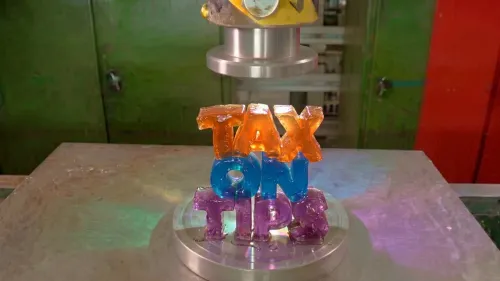
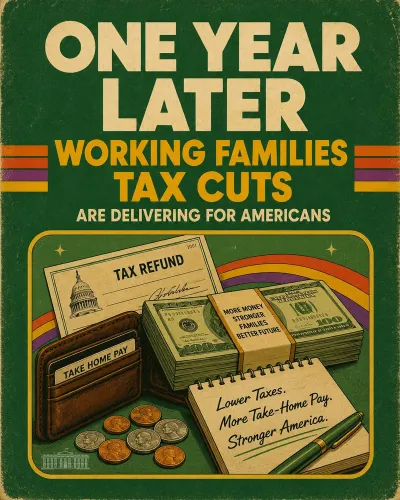
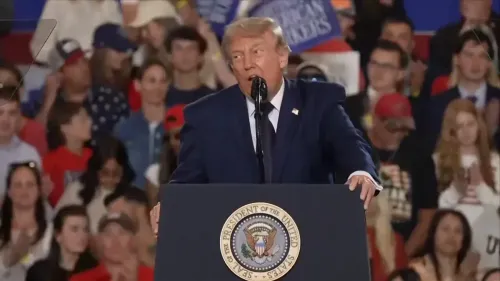
White House Declares No Tax on Tips for American Workers
Synopsis
The White House declared 'No Tax on Tips' for American service workers on September 26, 2026, advancing Donald Trump's 2024 campaign pledge to exempt gratuities from federal income taxation — a move that now awaits Congressional action to become law.
Key Takeaways
The White House officially declared 'No Tax on Tips' for American workers on Saturday, September 26, 2026 .
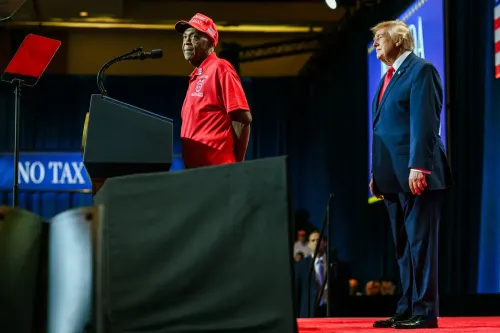
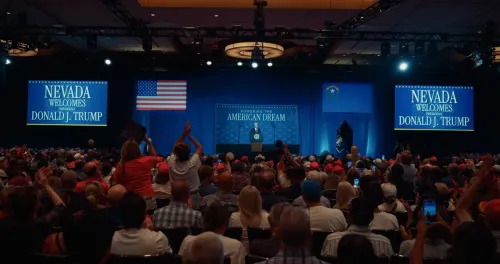
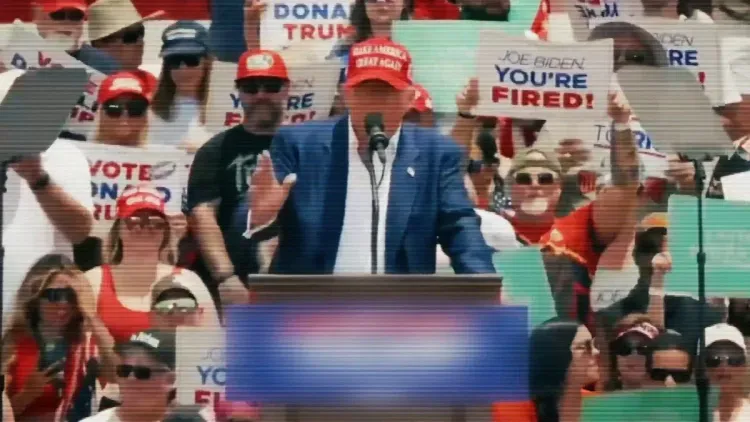
The policy traces directly to Donald Trump's 2024 presidential campaign pledge to eliminate federal income tax on tips.
Tipped workers — including restaurant servers, bartenders, and hotel staff — currently pay ordinary income tax rates on gratuities received.
Exempting tips from federal taxation requires an act of Congress to amend the tax code, plus potential IRS rulemaking.
The announcement is framed as a worker-benefit measure targeting lower- and middle-income earners in the US service sector .
Congressional bills on tip income and any IRS guidance that follows will determine whether the pledge becomes enforceable law.
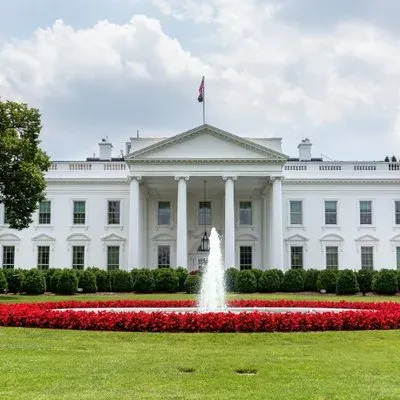
A four-word proclamation from the highest office in the land landed on Saturday morning with the force of a policy statement: the White House announced that tips earned by American service workers will no longer be subject to federal taxation — a promise that Donald Trump first made to the country's vast hospitality workforce on the campaign trail in 2024 and has now pushed into the official communications stream of the Executive Office.
From Campaign Stage to White House Feed
The post — blunt, uppercase, emphatic — reads: 'NO TAX ON TIPS FOR OUR GREAT AMERICAN WORKERS.' It is short on legislative detail but long on political intent. The 'No Tax on Tips' pledge was one of Trump's signature economic proposals during his 2024 presidential campaign, targeted squarely at the tens of millions of Americans in the service industry — restaurant servers, bartenders, hotel staff, valets — who depend on gratuities as a core part of their take-home income.
For those workers, tips are currently treated as ordinary income under federal law, meaning they are subject to the same income tax rates as wages. Eliminating that tax would represent a tangible financial gain for lower- and middle-income earners in the hospitality sector — precisely the constituency the White House is speaking to with Saturday's announcement.
What the Policy Would Actually Mean
The mechanics of 'No Tax on Tips' require an act of Congress to amend the federal tax code, followed by potential IRS rulemaking or guidance to define which workers and which tip categories qualify. The broader pattern in US tax policy has periodically included targeted relief measures for lower-wage service roles, but a blanket exemption on tip income would be a more sweeping shift than anything previously enacted.
The stakes are real: the National Restaurant Association has estimated that millions of tipped workers earn significantly below the median wage, making the tax treatment of tips a live economic-justice question as much as a fiscal one. The White House framing — 'our great American workers' — signals this is being driven as a worker-benefit story, not a tax-cut-for-the-wealthy argument.
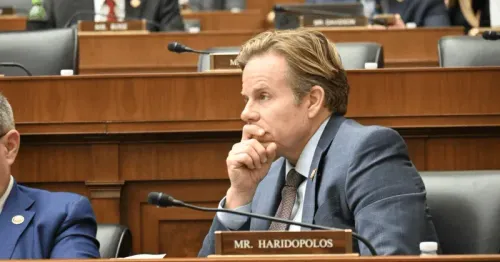
The next move belongs to Capitol Hill. Congressional bills to amend the tax code on tip income will be the measure of whether this announcement translates into law — or stays at the level of a powerful, all-caps social media post.
Point of View
The administration prioritises political signalling over policy granularity, a pattern consistent with how major tax proposals have been launched in recent administrations. For the millions of tipped workers in the US hospitality sector, the real test is not the post but the Congressional calendar — and whether Republican and Democratic lawmakers can agree on the scope and cost of a tip-tax exemption. Until legislation clears both chambers, this remains a promise with a megaphone, not a cheque.
NationPress
26 Sept 2026
Frequently Asked Questions
What does 'No Tax on Tips' mean for American workers?
It means that gratuities earned by service-industry workers — such as restaurant servers, bartenders, and hotel staff — would no longer be subject to federal income tax, leaving more take-home pay for tipped employees.
Has the 'No Tax on Tips' policy been signed into law?
As of the White House's September 26, 2026 announcement, the policy has been declared publicly but requires an act of Congress to amend the federal tax code before it becomes enforceable law.
When did Trump first promise no tax on tips?
Donald Trump pledged to eliminate federal taxes on tips during his 2024 presidential campaign , targeting service-sector workers who depend on gratuities as a core part of their income.
Which workers would benefit from the No Tax on Tips policy?
The primary beneficiaries would be tipped workers in the US service industry — including restaurant servers, bartenders, hotel employees, valets, and others who receive gratuities as part of their regular compensation.
What is the next step for the No Tax on Tips proposal?
Congressional bills to amend the federal tax code on tip income must be passed, after which the IRS would likely issue rulemaking or guidance to define which workers and tip categories qualify for the exemption.