White House Touts No-Tax-on-Overtime Win for US Workers

Synopsis
The White House on October 11, 2026, promoted its no-tax-on-overtime policy by sharing video testimonials from American workers across industries, framing the move as a kept campaign promise that is boosting take-home pay for hourly workers nationwide.
Key Takeaways
The White House posted worker testimonials on October 11, 2026 , showcasing the impact of the no-tax-on-overtime policy.
The policy removes federal income tax from overtime wages — pay earned beyond the standard 40-hour US workweek.
Workers from multiple industries across the United States feature in the video, underscoring the policy's broad sectoral reach.
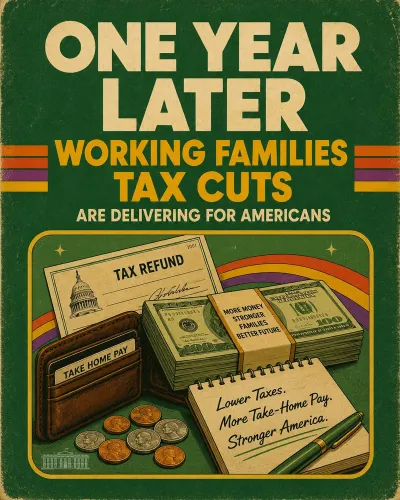
The administration is framing the rollout as a 'Promises Made, Promises Kept' moment, tying the policy to a prior campaign pledge.
Overtime-heavy sectors — including healthcare, logistics, manufacturing, and construction — stand to benefit most directly.
The no-tax approach raises workers' net take-home pay without requiring employers to increase base wages.
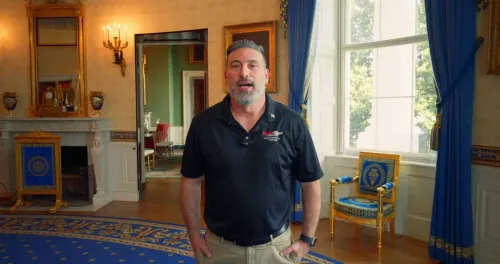
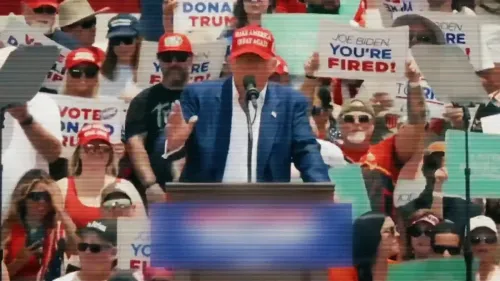
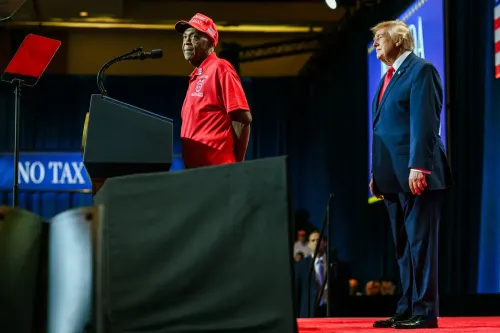
A promise made on the campaign trail is now landing in American paycheques — and the White House wants the country to hear it straight from the workers themselves. The White House posted on X on Sunday, October 11, 2026, highlighting the real-world impact of the administration's no-tax-on-overtime policy, sharing video testimonials from Americans across multiple industries who say the change is making a measurable difference in their lives.
What the no-tax-on-overtime policy actually does
The policy eliminates federal income tax on overtime pay — the additional wages workers earn beyond the standard 40-hour workweek under US labour law. For millions of hourly workers in sectors like manufacturing, healthcare, logistics, and retail, overtime pay has historically been taxed at the same marginal rate as regular income, meaning the more extra hours a worker clocked, the larger the slice the federal government took. The new rule changes that calculus directly.
The White House's framing — 'Promises Made, Promises Kept' — is deliberate political shorthand, signalling that the policy originated as a campaign commitment now delivered in law. The administration is amplifying worker testimonials rather than policy documents, a classic move to translate abstract fiscal relief into human terms voters can recognise.
Industries and workers in the frame
The video shared by the White House features Americans from different industries across the country, though specific names, states, or sectors were not individually detailed in the post. The breadth of the showcase — spanning multiple fields — suggests the administration is making a deliberate case that the benefit is not sector-specific but economy-wide. Overtime-heavy workforces in trucking, nursing, construction, and emergency services tend to stand the most to gain from such relief.
For a worker pulling significant overtime hours, the savings can be material. Removing federal income tax from those extra earnings effectively raises the net take-home value of every additional hour worked — a direct wage boost without requiring employers to raise base pay.
The political optics of a pay-stub moment
The White House's choice to lead with worker voices rather than legislative citations is telling. Policies that show up in a pay stub carry a different political weight than those that live in a regulation. By anchoring the message in testimonials, the administration is betting that lived experience — 'I took home more money this week' — resonates louder than any Congressional Budget Office score. The 'Promises Made, Promises Kept' tag adds a reelection-cycle rhythm to a mid-term policy rollout.
The move also pre-empts a standard critique: that tax cuts benefit the wealthy. Overtime exemptions, by design, target workers who are hourly and working-class — the demographic most associated with swing-state political contests.
Whether the policy survives future budget negotiations, or whether its revenue cost triggers offsetting measures, will determine its long-term story. But today, the White House is making sure workers across America know exactly who gave them that extra line on their pay stub.
Point of View
Yet broad enough in reach to generate significant political goodwill among hourly workers. By centering the rollout on personal testimonials rather than legislative summaries, the White House is running a communications strategy aimed squarely at the working-class constituency that decides competitive districts. The 'Promises Made, Promises Kept' framing signals this is as much a 2026 political asset as it is a policy milestone. The durability question — how the revenue shortfall is offset, and whether the exemption survives the next budget cycle — will define whether this is legacy legislation or a short-term win.
NationPress
11 Oct 2026
Frequently Asked Questions
What is the no-tax-on-overtime policy in the US?
The no-tax-on-overtime policy eliminates federal income tax on overtime wages — pay earned by workers beyond the standard 40-hour workweek — meaning workers keep a larger share of every extra hour they work.
Who benefits from the US overtime tax exemption?
Hourly workers in overtime-heavy industries such as healthcare, manufacturing, logistics, construction, and emergency services benefit most, as these sectors routinely log hours beyond the standard 40-hour workweek.
When did the White House announce the no-tax-on-overtime policy impact?
The White House highlighted the real-world impact of the policy on October 11, 2026 , sharing a video featuring American workers from multiple industries describing how the change has affected their take-home pay.
Does the overtime tax exemption apply to all US workers?
The exemption applies to federally taxable overtime income, but its benefit is most significant for hourly workers who regularly work beyond 40 hours per week. Salaried employees or those who rarely work overtime see less direct impact.
Is the no-tax-on-overtime policy permanent?
The long-term status of the policy depends on future budget negotiations in Congress. Its revenue cost could trigger offsetting measures, making its permanence subject to ongoing legislative decisions.