CM Yogi Launches ₹1,375 Cr Projects to Fix Gorakhpur's Waterlogging
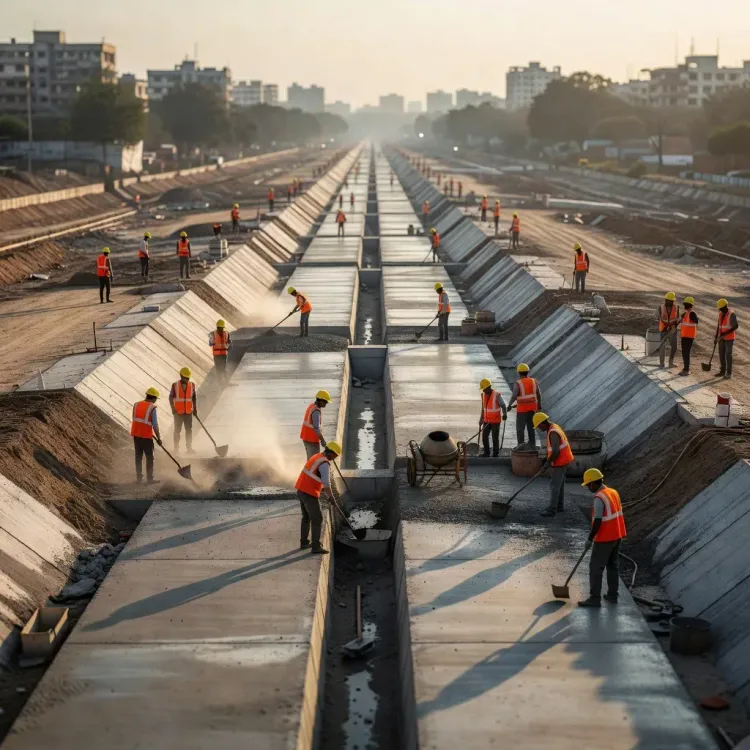
Synopsis
Chief Minister Yogi Adityanath inaugurated the ₹495 crore Godhoiya Nala Phase-1 and laid foundation stones for ₹880 crore worth of Phase-2, sewerage and service-road projects in Gorakhpur on November 1, 2026, targeting the city's chronic waterlogging and sanitation gaps.
Key Takeaways
CM Yogi Adityanath launched development projects worth more than ₹1,375 crore in Gorakhpur on November 1, 2026 .
Phase-1 of the Godhoiya Nala drain project, costing over ₹495 crore , was formally inaugurated.
Foundation stones were laid for Phase-2 of the Godhoiya Nala , the Gorakhpur Sewerage Scheme Zone A-3 , and a parallel service road — collectively valued at over ₹880 crore .
The projects are designed to strengthen Gorakhpur's drainage and sewerage systems, resolve waterlogging, and expand basic urban infrastructure.
Gorakhpur is CM Yogi Adityanath's home constituency; eastern UP urban development has been a stated priority of his government since 2017 .
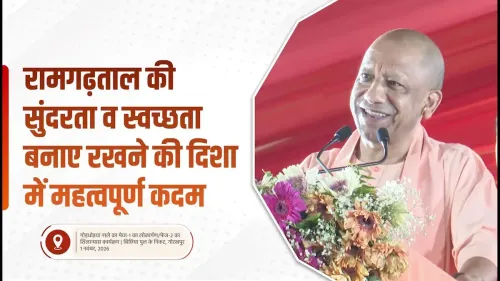
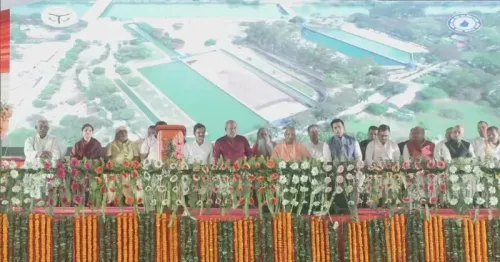
Gorakhpur's chronic flooding problem just got a serious government response. Chief Minister Yogi Adityanath on Sunday, November 1, 2026, inaugurated and laid foundation stones for urban infrastructure projects worth more than ₹1,375 crore in his home district of Gorakhpur — the largest drainage and sewerage push the city has seen in recent years.
What ₹495 crore buys Gorakhpur: the Godhoiya drain gets its first phase
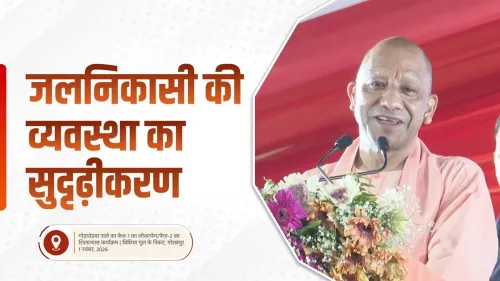
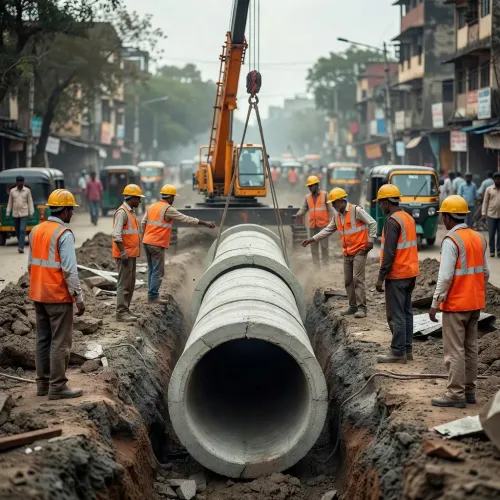
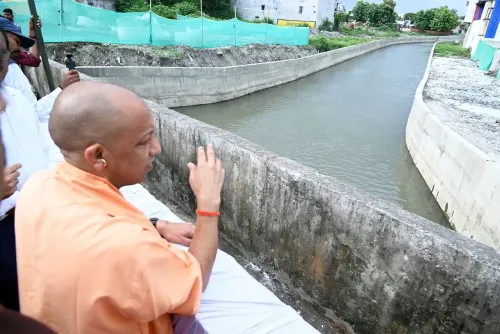
The centrepiece of Sunday's inaugurations is the Phase-1 completion of the Godhoiya Nala (गोड़धोइया नाला), a major stormwater drain project executed at a cost of more than ₹495 crore. For residents who have watched low-lying neighbourhoods go under every monsoon, this is the most tangible deliverable of the event. Phase-1 is done. The water now has somewhere to go.
The Chief Minister's Office confirmed that CM Yogi reiterated the state government's commitment to holistic development of Uttar Pradesh and Gorakhpur, stating that 'the purpose of every development project is to provide better facilities to citizens and make their lives easier.'
₹880 crore more on the drawing board: Phase-2, sewerage zone, and a new service road
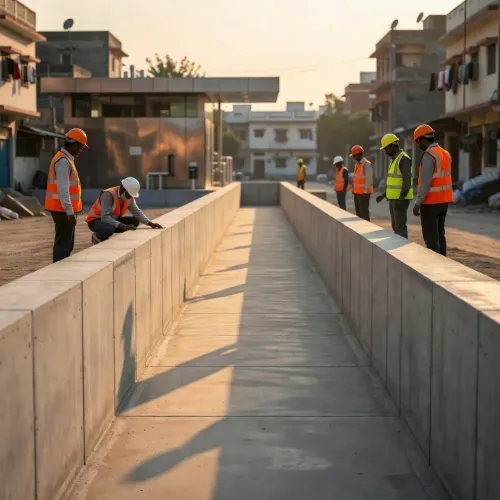
Alongside the inauguration, three new works were formally launched with a combined outlay exceeding ₹880 crore. The package includes Phase-2 of the Godhoiya Nala, the Gorakhpur Sewerage Scheme Zone A-3, and a service road proposed parallel to the Godhoiya Nala. Together they address two distinct urban gaps — sanitation coverage and road connectivity — that have long lagged in eastern UP's fast-growing cities.
The sewerage zone component is particularly significant. Gorakhpur's sewer network has historically covered only parts of the city, leaving large pockets dependent on older or inadequate systems. Zone A-3 is designed to extend formal sewerage to underserved areas, directly improving public-health outcomes.
Gorakhpur's long fight against waterlogging — and why this matters now
Gorakhpur sits in the Terai belt of eastern Uttar Pradesh, where geography and inadequate drainage have combined to make seasonal waterlogging a near-annual crisis. The city's rapid urban expansion over the past decade has made the problem worse: more paved surface, more runoff, and an older drain network struggling to cope.
Since 2017, when CM Yogi Adityanath — who represents the Gorakhpur constituency — took office, the state government has repeatedly listed eastern UP urban infrastructure as a priority. Sunday's event is the most significant single-day outlay in that running story. The phased structure of the Godhoiya Nala project — Phase-1 complete, Phase-2 now commissioned — signals a longer-term execution plan rather than a one-shot announcement.
What happens next will matter as much as the launch. Progress on Phase-2 construction timelines, the pace of the Zone A-3 sewerage tender and execution, and the eventual service-road completion will determine whether the ₹1,375 crore translates into a genuinely flood-resilient Gorakhpur — or joins the long list of announced-but-stalled urban works across Indian tier-2 cities.
Point of View
Which means large-ticket infrastructure here carries outsized optics. The phased structure of the Godhoiya Nala project reflects a broader UP government shift toward multi-phase, scalable urban works rather than single-tranche announcements — a pattern that, when executed, builds visible continuity but also defers accountability to later phases. The inclusion of a sewerage zone alongside a drain upgrade signals awareness that waterlogging is a compound problem requiring both surface drainage and underground network solutions simultaneously. Whether the ₹880 crore in newly-commissioned works proceeds on schedule will be the real test of whether this announcement marks a turning point or follows a familiar cycle of high-value launches and slow execution.
NationPress
2 Nov 2026
Frequently Asked Questions
What projects did CM Yogi inaugurate in Gorakhpur on November 1 2026?
CM Yogi Adityanath inaugurated the completed Phase-1 of the Godhoiya Nala drain project worth over ₹495 crore, and laid foundation stones for Phase-2 of the same drain, the Gorakhpur Sewerage Scheme Zone A-3, and a service road parallel to the Godhoiya Nala — totalling more than ₹1,375 crore.
What is the Godhoiya Nala project in Gorakhpur?
The Godhoiya Nala is a major stormwater drainage project in Gorakhpur being developed in phases to address the city's chronic seasonal waterlogging. Phase-1, costing over ₹495 crore, was completed and inaugurated on November 1, 2026; Phase-2, costing over ₹880 crore alongside sewerage and road works, was commissioned the same day.
Why does Gorakhpur have a waterlogging problem?
Gorakhpur lies in the Terai belt of eastern Uttar Pradesh, where flat terrain, heavy monsoon rainfall and an ageing drainage network combine to cause recurring floods and waterlogging. Rapid urban expansion has worsened runoff volumes beyond the capacity of older infrastructure.
What is the Gorakhpur Sewerage Scheme Zone A-3?
Zone A-3 is a component of Gorakhpur's phased sewerage expansion plan, aimed at extending formal sewer network coverage to parts of the city currently lacking adequate sanitation infrastructure. Its foundation stone was laid on November 1, 2026, as part of the ₹880 crore package.
How much has the UP government invested in Gorakhpur infrastructure under CM Yogi?
The UP government's infrastructure focus on Gorakhpur has been ongoing since 2017, with multiple phases of drainage, sewerage and road projects announced over the years. The November 1, 2026 event alone saw projects worth more than ₹1,375 crore inaugurated or commissioned in a single day.