CM Yogi inaugurates ₹500 cr drainage overhaul in Gorakhpur
Synopsis
Chief Minister Yogi Adityanath inaugurated a ₹500 crore drainage and sewerage overhaul in Gorakhpur on 1 November 2026, covering 17 wards with 7.75 km of RCC drains, 17.5 km of trunk sewer lines, a 38 MLD sewage treatment plant, a 61 MLD pumping station, and 14 bridges and culverts.
Key Takeaways
The project covers 17 wards of Gorakhpur and was formally inaugurated on 1 November 2026 .
Total project cost is approximately ₹500 crore .
Infrastructure built includes 7.75 km of RCC drains and 17.5 km of intercepting trunk sewer lines .
A 38 MLD Sewage Treatment Plant and a 61 MLD Main Pumping Station are now operational.
14 bridges and culverts have been constructed to eliminate flow chokepoints.
The project is part of the Yogi government's broader urban infrastructure push in eastern Uttar Pradesh since 2017.
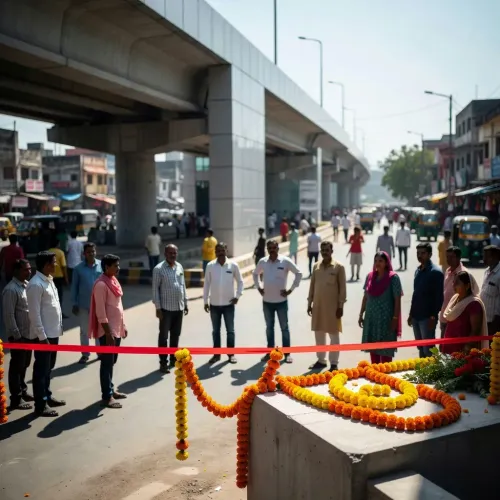
Seventeen waterlogged wards in Gorakhpur just got a lifeline. The Chief Minister's Office of Uttar Pradesh announced on Sunday, 1 November 2026 that a sweeping urban drainage and sewerage project worth approximately ₹500 crore has been completed and formally inaugurated — marking one of the largest single civic infrastructure handovers the city has seen in recent memory.
What ₹500 crore actually built
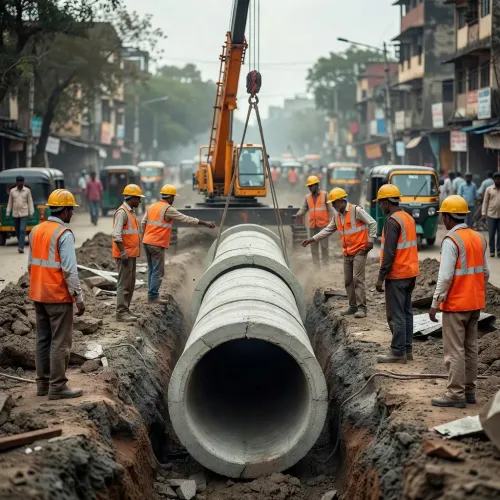
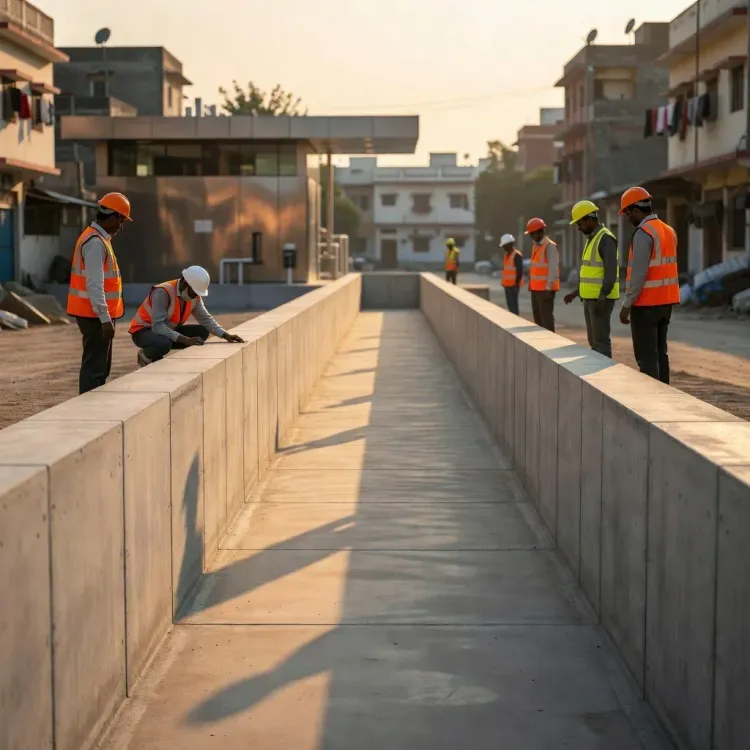
The scale is concrete, not rhetorical. Workers have laid 7.75 kilometres of RCC (reinforced cement concrete) drains and 17.5 kilometres of intercepting trunk sewer lines beneath the city's streets. Supporting that underground grid: a 38 MLD (million litres per day) Sewage Treatment Plant, a 61 MLD Main Pumping Station, and 14 bridges and culverts. Together, these components form a closed-loop system designed to collect, move, treat, and discharge wastewater — replacing decades-old, overwhelmed drainage channels that turned city roads into rivers every monsoon.
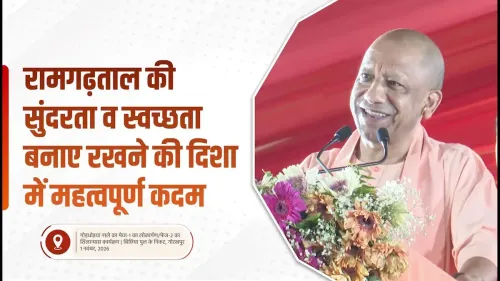
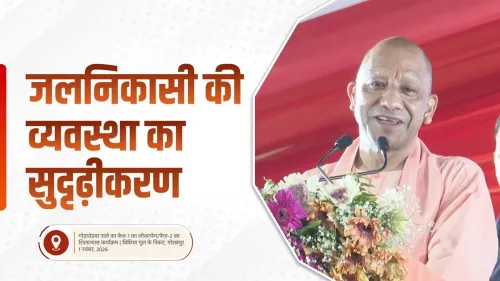
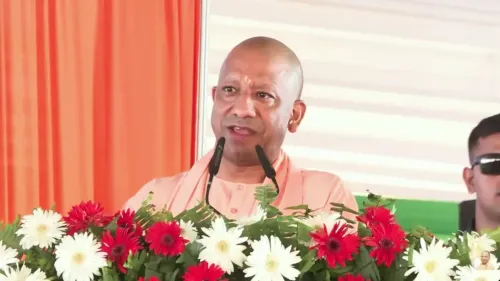
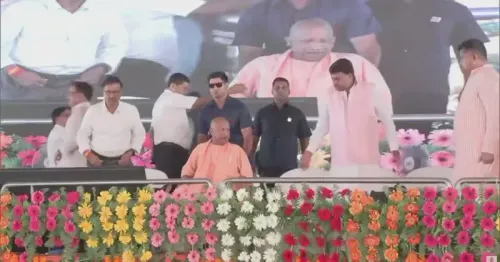
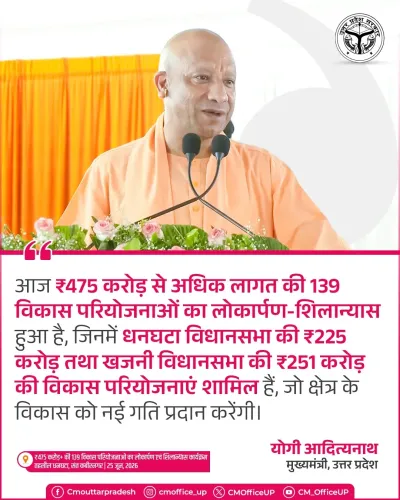
Chief Minister Yogi Adityanath, whose constituency is Gorakhpur, presided over the inauguration. The CMO post quoted him directly: 'गोरखपुर के 17 वार्डों में जल निकासी की समस्या के समाधान हेतु... आज इन कार्यों का लोकार्पण हो रहा है' ('To resolve the drainage problem in 17 wards of Gorakhpur... today these works are being inaugurated.').
Gorakhpur's long fight against waterlogging
Eastern Uttar Pradesh receives heavy monsoon rainfall, and Gorakhpur — sitting near the Rapti river basin — has historically suffered severe urban flooding. Entire residential wards would remain inundated for days after peak rainfall, with stagnant water raising the risk of waterborne diseases. The problem was structural: the city had grown far beyond the capacity of its colonial-era drainage network.
Since 2017, the Yogi government has positioned urban infrastructure upgrades — drainage, sewerage, road-widening, and water supply — as a flagship of its eastern UP development agenda. Gorakhpur, as the Chief Minister's home turf, has received particular attention: a new AIIMS campus, expanded highway connectivity, and now this drainage overhaul have reshaped the city's profile over the past decade.
Why the monsoon test will matter most
Inauguration day is always political. The real verdict comes when the clouds arrive. The new 61 MLD pumping station is the system's muscle — capable of moving large volumes of accumulated sewage and stormwater rapidly enough to prevent surface flooding. The 38 MLD treatment plant ensures that water doesn't simply get pushed into rivers untreated, addressing a long-standing pollution concern. The 14 bridges and culverts ease flow at critical chokepoints that have historically backed up first.
Whether the remaining wards beyond the initial 17 see a follow-up phase, and how the system performs under a full monsoon load, will determine whether today's inauguration becomes a lasting civic milestone — or a starting point that demands a sequel.
Point of View
Lending the announcement substantive policy weight beyond optics. More broadly, the state government's focus on eastern UP urban renewal reflects a calculated attempt to shift perceptions of the region from neglected hinterland to development showcase. The real measure of success will be operational: if the new system prevents widespread flooding through successive monsoons, it sets a replicable template for other waterlogging-prone eastern UP cities.
NationPress
1 Nov 2026
Frequently Asked Questions
What is the Gorakhpur drainage project inaugurated by CM Yogi?
It is a ₹500 crore urban infrastructure project covering 17 wards of Gorakhpur, comprising 7.75 km of RCC drains, 17.5 km of intercepting trunk sewer lines, a 38 MLD sewage treatment plant, a 61 MLD main pumping station, and 14 bridges and culverts, inaugurated on 1 November 2026.
How much did the Gorakhpur sewer and drainage project cost?
The project was completed at a cost of approximately ₹500 crore.
How many wards in Gorakhpur will benefit from the new drainage system?
The project covers 17 wards of Gorakhpur that have historically suffered from waterlogging and poor drainage.
What is the capacity of the new sewage treatment plant in Gorakhpur?
The new Sewage Treatment Plant has a capacity of 38 MLD (million litres per day), supported by a 61 MLD Main Pumping Station.
Why does Gorakhpur face waterlogging problems?
Gorakhpur sits in the Rapti river basin in eastern Uttar Pradesh, an area that receives heavy monsoon rainfall. The city's colonial-era drainage network was inadequate for its current population, causing regular flooding in residential wards during the monsoon season.