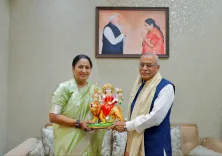
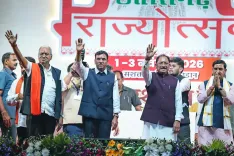
Lalan Singh Begins Three-Day Sikkim Visit to Review Farm, Fisheries Schemes

Synopsis
Union Minister Rajiv Ranjan Singh (Lalan Singh) begins a three-day Sikkim visit on November 1, 2026, to review fisheries, livestock and cooperative schemes and meet farmers and cooperative society members across the state.
Key Takeaways
Union Minister Rajiv Ranjan Singh arrived in Sikkim on November 1, 2026 for a three-day ministerial visit .
The visit covers reviews under both the Department of Animal Husbandry and Dairying and the Department of Fisheries .
Singh will meet farmers, livestock rearers, and fisheries cooperative society members to assess on-ground implementation.
The visit aligns with the central government's post- 2021 push to strengthen the cooperative movement across agriculture-allied sectors.
Sikkim's organic farming identity and small-scale inland fisheries make it a key reference point for cooperative-linked hill-economy schemes.
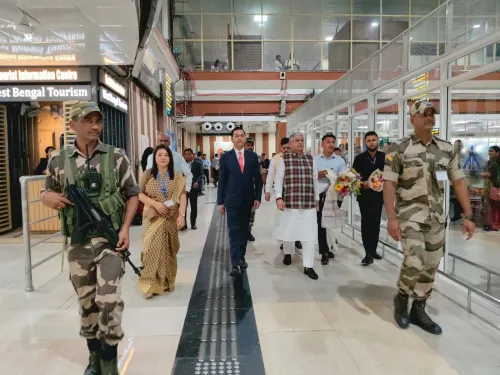
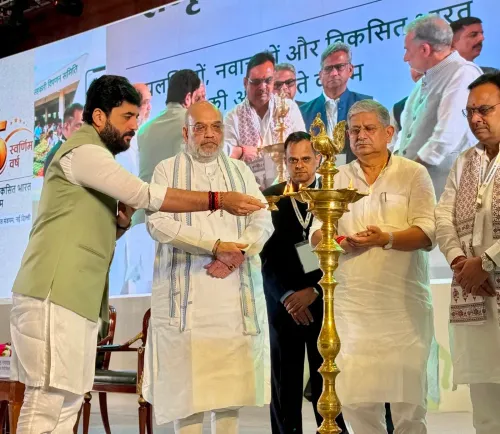
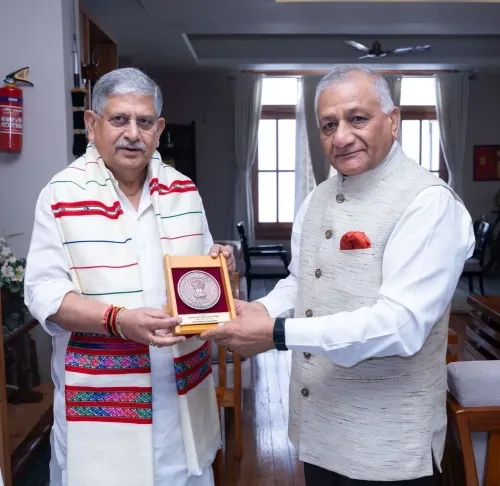
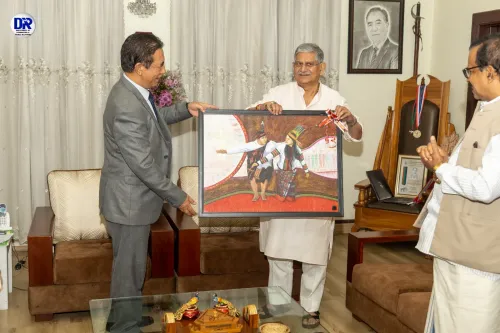
A Union minister touching down in one of India's most ecologically distinct northeastern states signals more than a routine tour. Union Panchayati Raj and Fisheries Minister Rajiv Ranjan Singh arrived in Sikkim on Sunday, November 1, 2026, kicking off a three-day visit aimed squarely at reviewing departmental programmes and hearing directly from the farmers, livestock rearers, and fisheries cooperative members who depend on them.
What's on the minister's Sikkim agenda
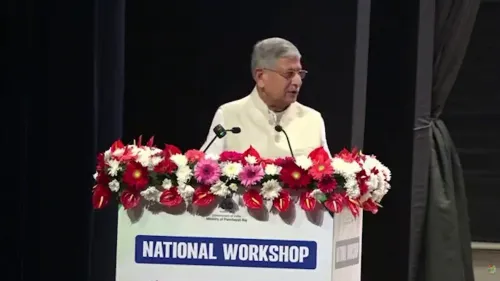
Singh described the visit as an opportunity to 'review key departmental initiatives and engage with farmers, livestock rearers and members of fisheries cooperative societies to strengthen the cooperative sector and promote rural livelihoods.' The schedule draws in both the Department of Animal Husbandry and Dairying and the Department of Fisheries — the two wings of his ministry — signalling a comprehensive ground review rather than a ceremonial stopover.
Sikkim is a natural fit for such a review. The state has built a national identity around organic farming and small-scale inland fisheries, making it a useful testing ground for cooperative-linked rural livelihood schemes. Feedback gathered here from primary producers can directly inform how central schemes are calibrated for hill economies.
Cooperatives, hill economies, and Delhi's push since 2021
The visit sits inside a broader policy thrust that took institutional shape in July 2021, when the central government created a dedicated Ministry of Cooperation to focus attention on strengthening the cooperative movement across sectors. The Ministry of Fisheries, Animal Husbandry and Dairying itself was carved out of the agriculture ministry in 2019, a structural move designed to give the livestock and fisheries verticals more direct policy attention.
Successive governments have used ministerial field visits to hill states precisely because the implementation gap between Delhi and a high-altitude cooperative society can be enormous. Getting a Union minister into a room with fisheries cooperative members in Sikkim collapses that gap — at least for three days. Whether it translates into scheme modifications or new cooperative support announcements will be the story to watch when Singh returns.
For now, the minister is on the ground, the meetings are scheduled, and the stakeholders waiting across Sikkim's valleys have a direct line to the top of the ministry. That alone is the point.
Point of View
Spanning fisheries cooperatives and livestock bodies, fits neatly into the Modi government's structural bet that dedicated ministries for agriculture-allied sectors will compress the Delhi-to-district implementation gap. For JD(U), a partner in the ruling coalition, visible ministerial activity in the Northeast also reinforces the party's presence in governance. The real test, however, is what concrete scheme adjustments — if any — emerge from the ground consultations.
NationPress
1 Nov 2026
Frequently Asked Questions
Why is Lalan Singh visiting Sikkim in November 2026?
Union Minister Rajiv Ranjan Singh (Lalan Singh) is on a three-day Sikkim visit starting November 1, 2026, to review departmental initiatives under his Fisheries and Animal Husbandry portfolio and meet farmers, livestock rearers, and fisheries cooperative members.
Which departments are covered during Lalan Singh's Sikkim visit?
The visit involves both the Department of Animal Husbandry and Dairying and the Department of Fisheries, the two key wings of the Ministry of Fisheries, Animal Husbandry and Dairying.
What is the Ministry of Fisheries, Animal Husbandry and Dairying?
It is a central ministry formed in 2019 by separating the livestock and fisheries departments from the agriculture ministry, designed to give dedicated policy attention to these sectors. Rajiv Ranjan Singh currently heads it.
How does the cooperative sector connect to Lalan Singh's Sikkim trip?
One stated purpose of the visit is to strengthen fisheries and livestock cooperatives and promote rural livelihoods, reflecting the central government's broader push to expand cooperatives in agriculture-allied sectors since the Ministry of Cooperation was created in 2021.
Why is Sikkim relevant to fisheries and animal husbandry policy?
Sikkim is known for organic farming and small-scale inland fisheries. Ministerial visits there help assess how centrally designed cooperative and livelihood schemes work in a high-altitude hill-state context.