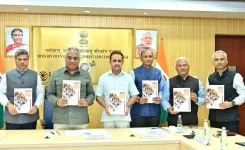
Giriraj Singh Shares Textile Sector Update on LinkedIn
Synopsis
Union Textiles Minister Giriraj Singh shared a LinkedIn post on 27 June 2026, extending the ministry's digital outreach to professional networks amid India's sustained push to scale textile manufacturing and exports.
Key Takeaways
Union Textiles Minister Giriraj Singh posted on X on 27 June 2026 , sharing a link to a LinkedIn update related to the textile sector.
The ministry oversees a sector central to India's export economy and rural employment, spanning handlooms, man-made fibres, and technical textiles.
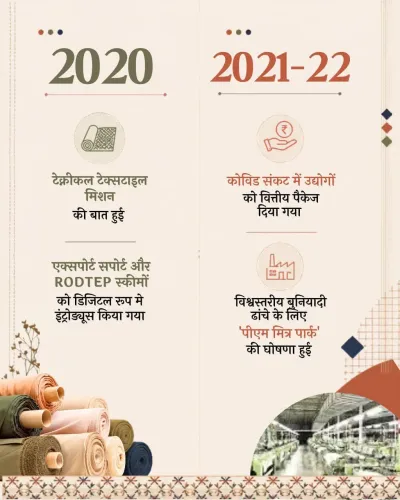
The PLI scheme for man-made fibres and technical textiles , launched in 2021 , remains a flagship policy instrument for the ministry.
Senior ministers using professional platforms like LinkedIn reflects a broader strategy of segmented digital outreach to investors and industry stakeholders.
Next quarterly textile export data and any fresh scheme guidelines will be key indicators of sector momentum in 2026 .
Union Textiles Minister Giriraj Singh shared a post on Saturday, 27 June 2026, linking to a LinkedIn update related to India's textile sector, signalling continued government engagement with industry stakeholders through digital platforms.
Context
The minister's post, shared via his official X account, directed followers to a LinkedIn page — a platform increasingly used by senior government functionaries to communicate policy developments and industry engagements to a professional audience. The specific content of the linked post could not be independently verified at the time of publication.
As the Union Minister of Textiles, Giriraj Singh oversees one of India's most employment-intensive sectors, which spans handloom weaving, man-made fibres, technical textiles, and garment exports. His social media activity frequently reflects ongoing ministry priorities and industry outreach.
Policy Backdrop
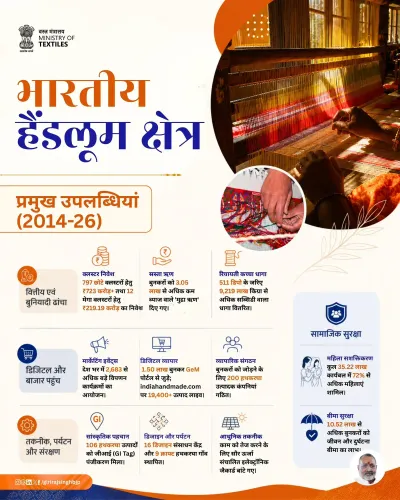
India's textile sector has been a focal point of government policy since 2014, with successive initiatives aimed at scaling manufacturing capacity, boosting exports, and generating employment. A landmark step came in 2021, when the government launched the Production Linked Incentive (PLI) scheme for man-made fibres and technical textiles, designed to attract large-scale investment and improve India's competitiveness in global markets.
The Ministry of Textiles has also administered schemes for technology upgradation and handloom development, reflecting the dual mandate of modernising the industrial segment while protecting the livelihoods of millions of traditional weavers. These policy threads run consistently through the ministry's communications and stakeholder engagements.
Stakeholders and Impact
India's textile ecosystem encompasses a wide range of actors — from large export houses and synthetic fibre manufacturers to small handloom weavers concentrated in states such as Bihar, Uttar Pradesh, Tamil Nadu, Gujarat, and West Bengal. Any ministerial communication touching on sector policy carries direct implications for this constituency.
Textile exporters watch ministerial signals closely for indications of fresh incentives, export targets, or trade-negotiation outcomes. Handloom weavers and their cooperative bodies similarly track government outreach for scheme updates and procurement commitments. The use of professional networking platforms by senior ministers is itself a marker of efforts to build credibility with investors and industry associations.
What's Next
Observers will watch for the substance of the linked LinkedIn communication to surface through official ministry channels or public statements. Quarterly textile export figures and any fresh guidelines or budget allocations under existing schemes remain the key metrics for assessing the sector's trajectory. Giriraj Singh's continued active presence across platforms suggests the ministry intends to maintain a high-visibility posture on textile policy through the remainder of 2026.
Point of View
Whose ministry oversees a sector that employs tens of millions, maintaining visibility across channels reinforces the government's narrative of proactive industrial stewardship. This fits a broader pattern since 2014 of using social media not merely for announcements but as a tool of continuous stakeholder engagement. The textile sector's centrality to employment and export targets makes every ministerial signal a potential market and policy cue.
NationPress
25 Sept 2026
Frequently Asked Questions
What did Giriraj Singh post about on 27 June 2026?
Union Textiles Minister Giriraj Singh shared a link to a LinkedIn post on 27 June 2026 related to India's textile sector, though the specific content of the LinkedIn update was not independently verified at the time of publication.
What is Giriraj Singh's role in the Indian government?
Giriraj Singh is the Union Minister of Textiles in the Indian government, a senior BJP leader, and a Lok Sabha MP representing Begusarai constituency in Bihar.
What is the PLI scheme for textiles in India?
The Production Linked Incentive (PLI) scheme for man-made fibres and technical textiles was launched in 2021 to attract investment, boost domestic manufacturing, and improve India's competitiveness in global textile markets.
Why does the Ministry of Textiles matter for India's economy?
India's textile sector is one of the country's largest employers, encompassing handloom weavers, garment manufacturers, and fibre producers. It is a major contributor to export earnings and rural livelihoods, making ministry policy decisions significant for millions of workers.
How does the Indian government promote textile exports?
The government promotes textile exports through schemes such as the PLI for man-made fibres and technical textiles, technology upgradation funds, handloom development programmes, and active trade diplomacy to secure market access for Indian products.