CM Yogi Hits Out at Past UP Govts Over Mafia, Riot Links
Synopsis
Uttar Pradesh Chief Minister Yogi Adityanath on 17 July 2026 accused prior state governments of honouring mafia figures and rioters while neglecting ordinary citizens, renewing his administration's core law-and-order political narrative in a pointed post on X.
Key Takeaways
Yogi Adityanath posted on 17 July 2026 accusing previous Uttar Pradesh governments of grovelling before mafia and honouring rioters.
The post is in Hindi and includes a video, reinforcing the law-and-order messaging.
No specific individuals or parties are named in the post, but the framing targets predecessor administrations in the state.
The BJP -led government has made anti-mafia operations a central governance plank since 2017 .
The remarks signal that law and order will remain a key political fault line in Uttar Pradesh .
Opposition parties whose tenures are the implied target are expected to contest the characterisation.
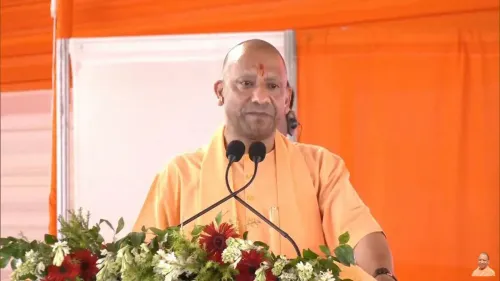
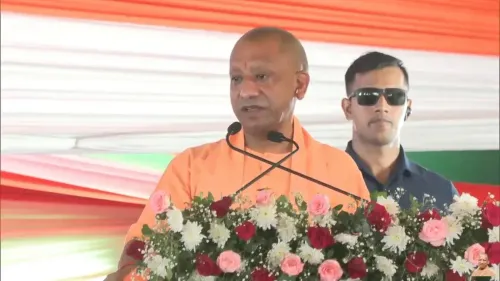
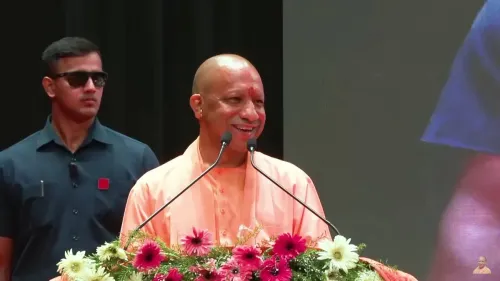
Uttar Pradesh Chief Minister Yogi Adityanath on Friday, 17 July 2026, launched a sharp attack on previous state governments, accusing them of kowtowing to mafia figures and honouring those involved in communal riots while neglecting the general public. The remarks came via a post on X that has drawn wide attention for its blunt political framing.
In the post, written in Hindi, the Chief Minister stated: '12 baje sokar uthne wale mafia ke saamne naak ragadte the, dangaiyon ko apne ghar bulaakar sammanit karte the' — translated as: 'They used to grovel before mafia who woke up at noon, they used to invite rioters to their homes and honour them.' He added pointedly: 'Where did they have the time for the public?'
Context
The statement is a direct political broadside, contrasting the current administration's stated law-and-order record with what Yogi Adityanath characterises as the wilful accommodation of criminal and communal elements by earlier regimes in Uttar Pradesh. No specific individuals or governments are named in the post, but the framing is consistent with BJP messaging that has targeted the governance record of predecessor administrations in the state.
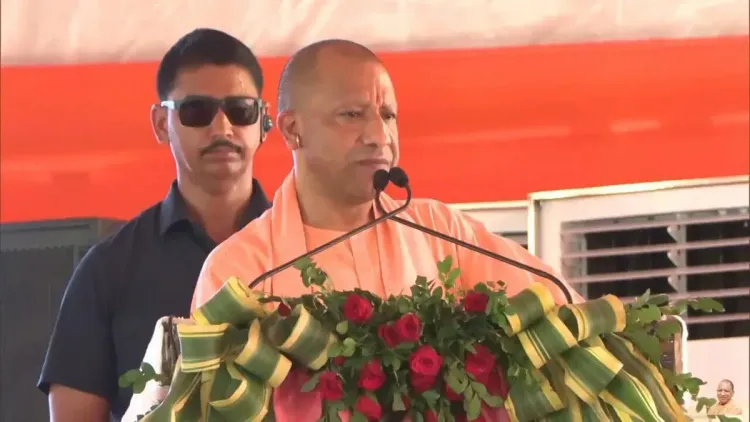
The post includes a video, the contents of which are not independently described here, but which likely reinforces the spoken or visual messaging around the law-and-order theme.
Policy Backdrop
Since taking charge in 2017, the Yogi Adityanath-led government has repeatedly highlighted action against organised crime networks, land mafias, and those accused of inciting communal violence as signature governance achievements. Uttar Pradesh, India's most populous state, had a documented history of organised crime and recurring communal incidents in prior decades, which successive governments addressed — or were accused of ignoring — to varying degrees.
The current administration has made anti-mafia operations and stricter enforcement of public order a central plank of its political identity, frequently contrasting present policing with alleged earlier political patronage extended to criminal elements. This post fits squarely within that established communication pattern.
Stakeholders and Impact
The remarks are directed at Uttar Pradesh's electorate — particularly voters in constituencies with histories of organised crime or communal tension — reinforcing the BJP's law-and-order narrative ahead of any future electoral cycle. Opposition parties, whose tenures in the state are the implied target, are likely to contest the characterisation.
For residents of Uttar Pradesh, the statement renews public debate about accountability for past governance failures and the credibility of the current government's crime-control claims. Law enforcement agencies in the state have periodically released data on encounters and arrests to support the administration's narrative, and further such disclosures may follow.
What's Next
Political observers will watch whether opposition parties respond directly to the Chief Minister's remarks, and whether the Uttar Pradesh government accompanies such messaging with fresh data releases on crime statistics or ongoing anti-mafia operations. The post signals that law and order will remain a live political fault line in the state's public discourse well into the coming months.
Point of View
' the Chief Minister frames governance not as policy but as a moral choice. This kind of messaging tends to consolidate the party's core voter base while putting opposition parties on the defensive without requiring them to be named. The timing, absent any immediate trigger visible in the post, suggests the BJP is keeping its Uttar Pradesh political machine primed and the law-and-order narrative warm well ahead of any electoral contest.
NationPress
16 Oct 2026
Frequently Asked Questions
What did CM Yogi Adityanath say about mafia and previous UP governments?
In a post on X dated 17 July 2026, CM Yogi Adityanath accused previous Uttar Pradesh governments of grovelling before mafia figures and inviting rioters to their homes to honour them, while having no time for ordinary citizens.
Which government is CM Yogi Adityanath criticising in this post?
The post does not name any specific party or government, but the rhetoric is consistent with BJP messaging directed at predecessor administrations in Uttar Pradesh, particularly those that governed before 2017.
What has the Yogi Adityanath government done against mafia in UP?
Since 2017, the Yogi Adityanath-led government has conducted anti-mafia operations, demolished properties linked to criminal networks, and carried out police encounters, presenting these as evidence of a law-and-order transformation in Uttar Pradesh.
Why does CM Yogi keep attacking previous UP governments on law and order?
Law and order is a core BJP governance plank in Uttar Pradesh; contrasting the current administration's record with alleged earlier leniency toward criminals and rioters is a recurring political strategy to reinforce the party's credibility with voters.
What is the significance of the 17 July 2026 post by Yogi Adityanath?
The post signals that the BJP intends to keep the law-and-order narrative active in Uttar Pradesh's political discourse, likely in anticipation of future electoral cycles or in response to ongoing political competition in the state.