CM Mohan Yadav Inaugurates Two Sandipani Schools in Katni
Synopsis
Chief Minister Dr. Mohan Yadav on 17 July 2026 inaugurated two Sandipani Vidyalaya buildings in Katni district — at Jhinjhari (₹38.61 crore) and Bahoriband (₹35.63 crore) — citing a reversal in student enrolment from private to government schools as evidence of the programme's impact.
Key Takeaways
Mohan Yadav inaugurated two Sandipani Vidyalaya buildings in Katni district on 17 July 2026 .
The Jhinjhari school was built at a cost of ₹38.61 crore ; the Bahoriband school at ₹35.63 crore .
Combined state investment in the two buildings exceeds ₹74 crore .
The Chief Minister noted that students are leaving private schools to enrol in government Sandipani Vidyalayas.
The Sandipani Vidyalaya scheme aims to create model public schools with modern infrastructure across Madhya Pradesh.
Further rollout across additional districts is anticipated as the programme scales.
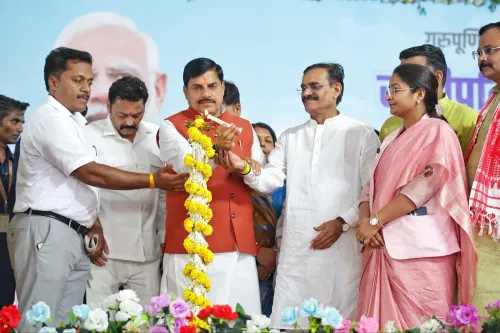
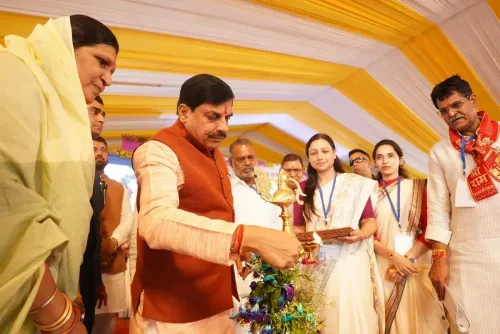
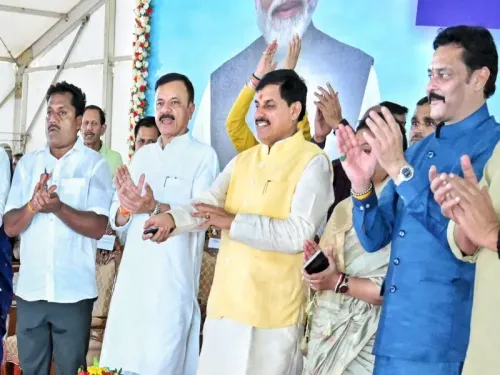
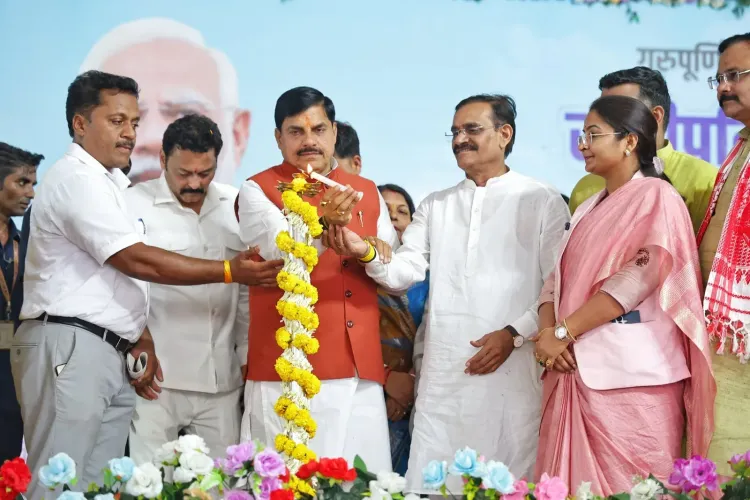
Madhya Pradesh Chief Minister Dr. Mohan Yadav on Friday, 17 July 2026 inaugurated the buildings of two Sandipani Vidyalayas in Katni district at a function held in Sleemanabad, marking a significant expansion of the state's flagship model-school programme.
Context
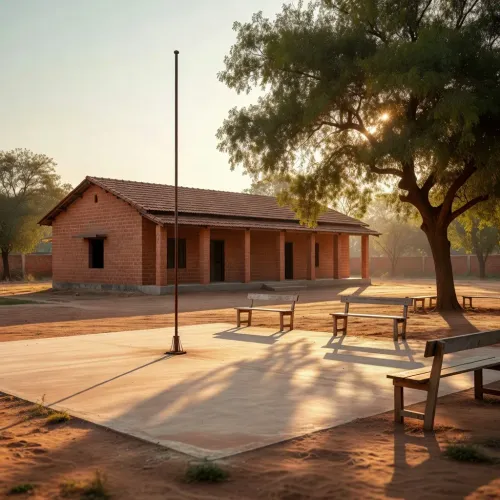
The Chief Minister dedicated the newly constructed school buildings at Jhinjhari, built at a cost of ₹38.61 crore, and at Bahoriband, built at a cost of ₹35.63 crore. Together, the two projects represent a combined state investment of over ₹74 crore in public school infrastructure in a single district.
In his address, Dr. Yadav described the Sandipani Vidyalayas as 'sarvsuvidhaayukt aur gunavatttapurn shiksha ke sashakt kendra' — 'empowered centres of comprehensive and quality education' — and highlighted a notable enrolment shift: students who had previously moved to private schools are now returning to enrol in government Sandipani Vidyalayas.
Policy Backdrop
The Sandipani Vidyalaya scheme is a Madhya Pradesh government initiative to develop select government schools into model institutions equipped with modern infrastructure, updated pedagogy, and comprehensive facilities. The programme is part of a broader state effort to strengthen public schooling and reduce the perception gap between government and private institutions.
Madhya Pradesh has pursued successive rounds of school infrastructure upgrades since at least 2018 under various state education missions. The Sandipani model reflects a pattern seen across several Indian states of creating high-quality flagship schools within the public system to demonstrate that quality education at scale is achievable without private fees.
Funding for such projects typically flows through state budgets, with occasional supplementation from centrally sponsored school education schemes.
Stakeholders and Impact
The primary beneficiaries are students from rural and semi-urban families in Katni district, who gain access to modern school buildings and upgraded learning environments without the financial burden of private school fees. The reversal of the student outflow from private to government schools — cited by the Chief Minister — signals a potential shift in community trust in public education delivery.
For the state government, the enrolment trend serves as a measurable outcome indicator, suggesting that infrastructure investment is translating into demand. Broader rollout of the Sandipani model across additional districts would depend on sustained budgetary allocation and administrative capacity at the district level.
What's Next
The inaugurations in Katni are expected to be followed by further Sandipani school launches across other districts of Madhya Pradesh as the state scales the programme. Education officials and policy observers will watch for formal enrolment data and learning outcome metrics in upcoming state education reports to assess whether the infrastructure push is producing measurable academic gains. The government's ability to sustain momentum beyond ribbon-cutting events — through teacher deployment, digital resources, and maintenance — will determine the programme's long-term credibility.
Point of View
When invested in seriously, can compete with private alternatives on perceived quality. The reported student migration from private to government schools — if borne out by enrolment data — would be an unusual and politically valuable reversal of a long-standing trend in Indian education. The Sandipani model fits within a wider BJP-governed state pattern of creating visible, branded flagship schemes in social sectors to build electoral credibility. The real test, however, lies beyond infrastructure: teacher quality, retention, and learning outcomes will determine whether the ₹74-crore investment in Katni translates into durable educational gains.
NationPress
17 Jul 2026
Frequently Asked Questions
What is Sandipani Vidyalaya in Madhya Pradesh?
Sandipani Vidyalaya is a Madhya Pradesh government scheme to develop select government schools into model institutions with modern infrastructure, updated facilities, and quality education — aimed at making public schools competitive with private alternatives.
How much did the Katni Sandipani Vidyalaya buildings cost?
The Jhinjhari Sandipani Vidyalaya was built at a cost of ₹38.61 crore and the Bahoriband Sandipani Vidyalaya at ₹35.63 crore, representing a combined investment of over ₹74 crore.
Who inaugurated the Sandipani Vidyalayas in Katni?
Madhya Pradesh Chief Minister Dr. Mohan Yadav inaugurated both Sandipani Vidyalaya buildings at a function held in Sleemanabad, Katni on 17 July 2026.
Are students moving from private schools to Sandipani Vidyalayas?
Chief Minister Dr. Mohan Yadav stated at the inauguration that students who had previously enrolled in private schools are now returning to government Sandipani Vidyalayas, citing improved infrastructure and modern educational facilities as the reason.
In which district are the newly inaugurated Sandipani Vidyalayas located?
The two newly inaugurated Sandipani Vidyalayas are located in Katni district of eastern Madhya Pradesh — one at Jhinjhari and one at Bahoriband.