CM Fadnavis addresses quantum tech faculty program at IISER Pune
Synopsis
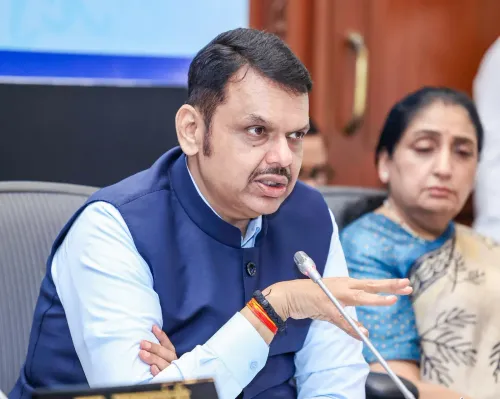
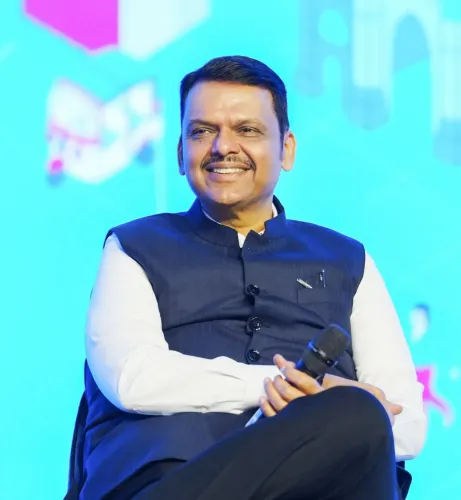
Maharashtra Chief Minister Devendra Fadnavis addressed the Quantum Technology Faculty Development Program at IISER Pune online on 17 July 2026, presenting his vision for building a quantum technology ecosystem in the state — a key signal of Maharashtra's alignment with India's National Quantum Mission.
Key Takeaways
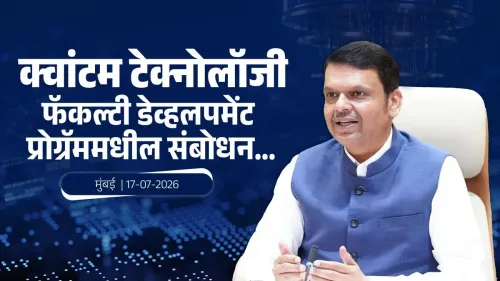
CM Devendra Fadnavis addressed the Quantum Technology Faculty Development Program at IISER Pune online on 17 July 2026 .
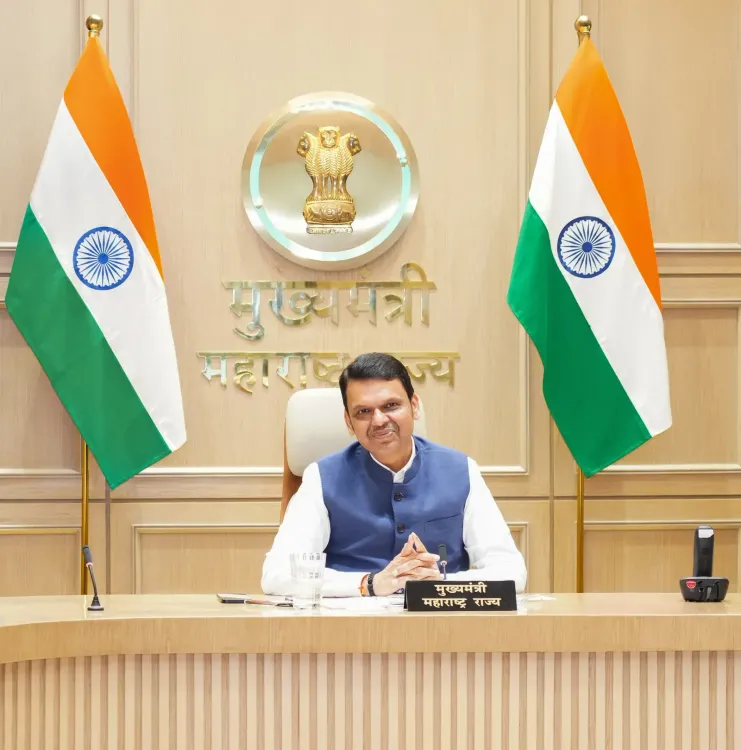
The address was delivered from Varsha Bungalow, Mumbai at 2 pm , with dignitaries present at the Pune venue.
The theme of the address was 'Vision for Quantum Technology Ecosystem in Maharashtra' .
India's National Quantum Mission , approved in April 2023 , provides the national policy framework within which Maharashtra is positioning itself.
IISER Pune is a premier autonomous institute under the Ministry of Education, making it a natural anchor for state quantum research ambitions.
Follow-up announcements on quantum research centres, curriculum integration, and industry partnerships in Maharashtra are expected to emerge from this initiative.
Maharashtra Chief Minister Devendra Fadnavis addressed the Quantum Technology Faculty Development Program at IISER Pune online on 17 July 2026, speaking on the theme 'Vision for Quantum Technology Ecosystem in Maharashtra' — the state's most senior political signal yet toward building a dedicated quantum research and talent pipeline.
Context
The Chief Minister's Office of Maharashtra confirmed that CM Fadnavis addressed the program virtually from Varsha Bungalow, Mumbai, at 2 pm on 17 July 2026, with other dignitaries present at the IISER Pune venue. The Faculty Development Program is designed to equip academic faculty with the conceptual and technical foundations of quantum technologies, a domain that spans computing, communication, and sensing.
The address signals Maharashtra's intent to position itself as a hub within India's rapidly evolving quantum technology landscape, aligning state-level ambition with central government priorities.
Policy Backdrop
India's National Quantum Mission, approved by the Union Cabinet in April 2023, laid out a multi-year roadmap to seed quantum computing, communication, cryptography, and sensing research across the country. The mission aims to reduce India's dependence on foreign quantum hardware and software while building domestic expertise.
State governments have increasingly stepped in to complement the national mission by hosting research facilities, creating talent pipelines, and forging industry linkages. Maharashtra, home to premier institutions such as IISER Pune, is well-placed to anchor a significant share of this ecosystem. CM Fadnavis has, across his tenures, emphasised innovation and technology adoption as pillars of state economic policy.
Stakeholders and Impact
The immediate beneficiaries of the Faculty Development Program are academic faculty researchers at IISER Pune and affiliated institutions, who gain direct exposure to state-level policy thinking on quantum technology. Broader stakeholders include quantum technology startups, higher education institutions across Maharashtra, and industry players seeking a trained talent pool.
A Chief Minister's address at such a program carries symbolic and practical weight — it signals government seriousness, which can catalyse private investment, attract central grants, and encourage faculty to pursue quantum-focused curricula and research proposals.
What's Next
Attention will now turn to whether CM Fadnavis's address translates into concrete follow-up: announcements on dedicated quantum research centres in Maharashtra, curriculum integration mandates for state universities, or formal industry-academia partnership frameworks. The Faculty Development Program at IISER Pune could serve as a template for similar programs at other institutions across the state.
As global competition in quantum technologies intensifies among major powers and research consortia, Maharashtra's ability to move from vision to institutional infrastructure will determine whether the state becomes a genuine node in India's quantum ambitions or remains on the sidelines of this strategic frontier.
Point of View
Not merely a ceremonial appearance. It places Maharashtra in the race among Indian states to claim a leadership role within the National Quantum Mission's ecosystem, where central funding and institutional prestige are at stake. Fadnavis has consistently used technology and infrastructure as electoral and governance differentiators, and this address fits that pattern. The real test will be whether the vision speech is followed by budgetary commitments, institutional mandates, or partnership announcements that give it operational weight.
NationPress
17 Jul 2026
Frequently Asked Questions
What did CM Devendra Fadnavis speak about at IISER Pune?
CM Devendra Fadnavis addressed the Quantum Technology Faculty Development Program at IISER Pune online on 17 July 2026, speaking on the theme 'Vision for Quantum Technology Ecosystem in Maharashtra' — outlining the state's direction for building quantum research and talent capabilities.
What is the Quantum Technology Faculty Development Program at IISER Pune?
It is a program designed to equip academic faculty with foundational and advanced knowledge in quantum technologies, including computing, communication, and sensing, hosted at the Indian Institute of Science Education and Research, Pune.
What is India's National Quantum Mission?
India's National Quantum Mission was approved by the Union Cabinet in April 2023 to fund and coordinate quantum computing, communication, cryptography, and sensing research across the country, with the goal of building domestic capabilities and reducing external dependence.
Why is Maharashtra focusing on quantum technology?
Maharashtra is home to premier research institutions like IISER Pune and has a large technology industry base, making it well-positioned to host quantum research centres, attract talent, and forge industry-academia partnerships aligned with India's national quantum priorities.
Where did CM Fadnavis deliver the address from?
CM Fadnavis delivered the address online from Varsha Bungalow, his official residence in Mumbai, at 2 pm on 17 July 2026, while dignitaries were present at the IISER Pune venue.