Mandaviya: India to host 2030 CWG, preps for 2036 Olympics
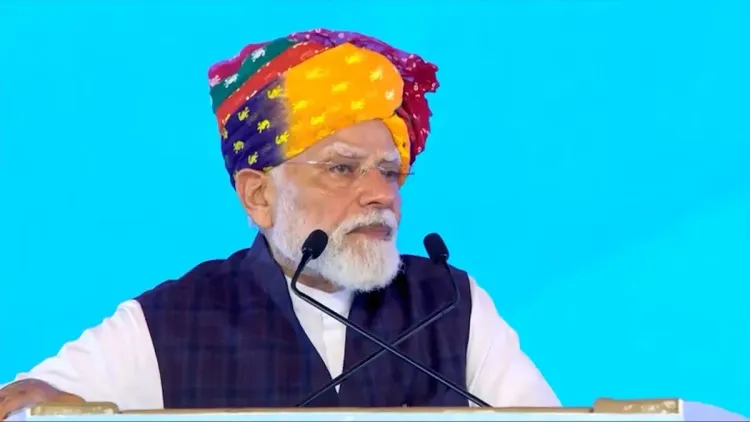
Synopsis
Sports Minister Mansukh Mandaviya on 17 July 2026 quoted PM Modi confirming India will host the 2030 Commonwealth Games and is fully preparing for the 2036 Olympics, marking the country's most ambitious multi-sport hosting agenda yet.
Key Takeaways
PM Modi has confirmed that India will host the 2030 Commonwealth Games , as quoted by Sports Minister Mansukh Mandaviya on 17 July 2026 .
The government is also fully preparing to host the 2036 Olympic Games in India, marking the country's most ambitious sporting hosting agenda.
India previously hosted the Commonwealth Games in New Delhi in 2010 , its largest multi-sport event to date.
Formal hosting rights for both events are decided by the Commonwealth Games Federation and the International Olympic Committee respectively.
The push aligns with existing programmes such as Khelo India and ongoing stadium upgrades across the country.
A successful dual-hosting outcome would require significant cross-ministry coordination, budget allocations , and private investment in venues and infrastructure.
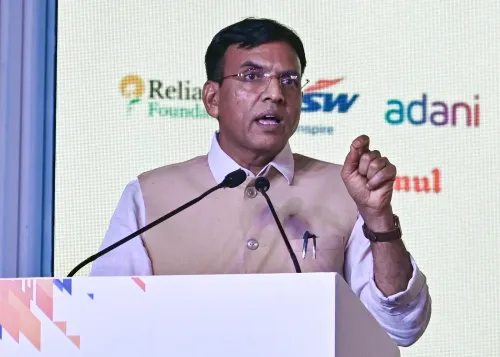
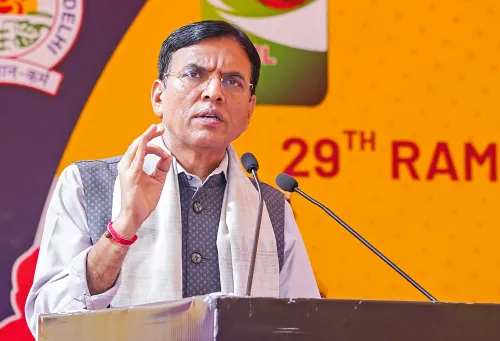
Union Labour and Sports Minister Mansukh Mandaviya on Friday, 17 July 2026 shared a statement from Prime Minister Narendra Modi confirming that India will host the 2030 Commonwealth Games and is actively preparing to host the 2036 Olympic Games — a declaration that signals the country's most ambitious multi-sport hosting agenda to date.
Context
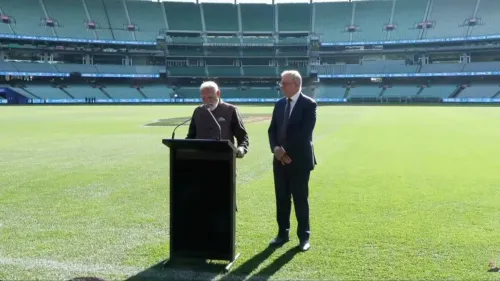
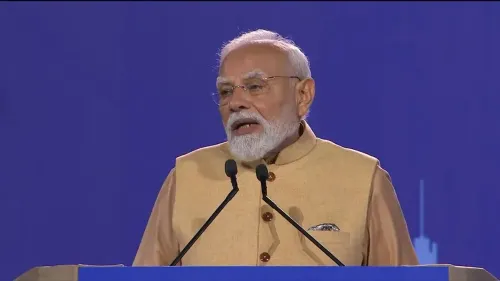
Quoting PM Modi directly, Minister Mandaviya wrote: '2030 mein Bharat Commonwealth Games ko host karega. Saath hi 2036 mein Olympic Games Bharat mein ho, iski bhi hum poori taiyari kar rahe hain.' — translated: 'India will host the Commonwealth Games in 2030. Along with that, we are fully preparing for the Olympic Games to be held in India in 2036.'
The post, shared with a video, frames both ambitions as a unified national sporting vision being driven from the highest level of government. This is the clearest ministerial-level articulation yet of the dual hosting goal.
Policy Backdrop
India last hosted the Commonwealth Games in New Delhi in 2010, its largest multi-sport event to date. That edition left behind upgraded stadia and transport infrastructure across the capital, though it was also marked by organisational controversies.
In 2023, PM Modi publicly declared India's intention to bid for the 2036 Olympics, setting off a fresh wave of infrastructure planning and engagement with the International Olympic Committee (IOC). The current announcement builds on that momentum, adding the 2030 Commonwealth Games as an intermediate milestone. Both the Commonwealth Games Federation (CGF) and the IOC are the formal bodies that award hosting rights through evaluation and election processes.
The push aligns with broader government programmes such as Khelo India, which has funded grassroots sports infrastructure across states, and ongoing upgrades to stadiums ahead of other international sporting meets.
Stakeholders and Impact
For Indian athletes, hosting both events on home soil would mean competing before home crowds at the highest levels of international sport — a factor widely seen as a motivator for performance and talent development. Sports federations would benefit from sustained investment in world-class training and competition venues.
Urban developers and state governments stand to gain from the large-scale infrastructure mandates that accompany such bids — covering stadia, athlete villages, transport links, and hospitality capacity. Cities shortlisted as potential venues would see significant redevelopment activity in the run-up to 2030 and 2036.
Successive Indian governments have treated the hosting of global sporting events as instruments of soft power and domestic sports promotion. A successful dual-hosting outcome would mark a step-change in India's standing as a global sports destination.
What's Next
The formal CGF decision on the 2030 Commonwealth Games host city and the IOC's host-city election timeline for 2036 will be the next critical milestones to watch. Related budget allocations and tender announcements for venue upgrades are expected to follow any official award.
If India secures both events, it would be hosting the Commonwealth Games and preparing for an Olympics within the same six-year window — a logistical and financial undertaking that will require sustained cross-ministry coordination and private investment. The government's ability to translate this political commitment into formal hosting rights will define the next chapter of India's global sports ambitions.
Point of View
Mandaviya is signalling that this is a prime-ministerial priority, lending it the highest political weight. The framing connects to a broader arc in which India is repositioning itself as a premier global sports host alongside its economic and diplomatic rise. Whether formal hosting rights materialise will depend on the CGF and IOC processes, but the political commitment at this level makes a serious bid structurally inevitable.
NationPress
18 Jul 2026
Frequently Asked Questions
Is India confirmed to host the 2030 Commonwealth Games?
PM Modi has stated that India will host the 2030 Commonwealth Games, as quoted by Sports Minister Mansukh Mandaviya on 17 July 2026. The formal award of hosting rights rests with the Commonwealth Games Federation, and an official announcement from that body is the next step to watch.
Is India bidding for the 2036 Olympics?
Yes. PM Modi first declared India's Olympic bid ambition in 2023, and the government has since been preparing its candidature. The International Olympic Committee conducts the formal host-city election process for 2036.
When did India last host the Commonwealth Games?
India last hosted the Commonwealth Games in New Delhi in 2010, which remains the country's largest multi-sport event to date.
What is Mansukh Mandaviya's role in India's sports hosting plans?
Mansukh Mandaviya is the Union Minister of Youth Affairs and Sports and oversees sports policy, infrastructure planning, and international bids. He shared PM Modi's statement on hosting the 2030 CWG and preparing for the 2036 Olympics on 17 July 2026.
Which body decides the host city for the 2036 Olympics?
The International Olympic Committee (IOC) is responsible for awarding Olympic hosting rights through a formal bidding and evaluation cycle. India's candidature for 2036 will be assessed through that process.