Mandaviya: India to host 2030 CWG, eyes 2036 Olympics
Synopsis
Union Sports Minister Mansukh Mandaviya, citing PM Modi, announced India is set to host the 2030 Commonwealth Games and is pursuing the 2036 Olympics. Mega-scale sports infrastructure development is planned to support both events, building on India's decade-long investment in grassroots and elite sports programmes.
Key Takeaways
India is set to host the 2030 Commonwealth Games , as stated by PM Narendra Modi and shared by Union Sports Minister Mansukh Mandaviya on July 10, 2026 .
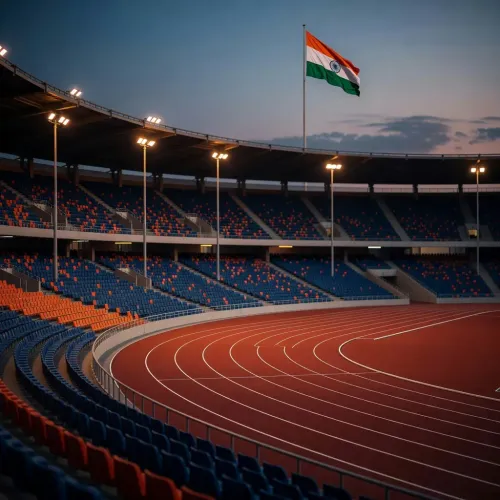
The government is also actively pursuing a bid to host the 2036 Olympic Games in India. 'Mega scale' sports infrastructure development is planned to support both global events.
India previously hosted the 2010 Commonwealth Games in New Delhi — its last major multi-sport international event.
The Khelo India scheme (2017) and Target Olympic Podium Scheme (2014) form the policy backbone underpinning these hosting ambitions.
Final confirmation for both events depends on the Commonwealth Games Federation and the International Olympic Committee (IOC) .
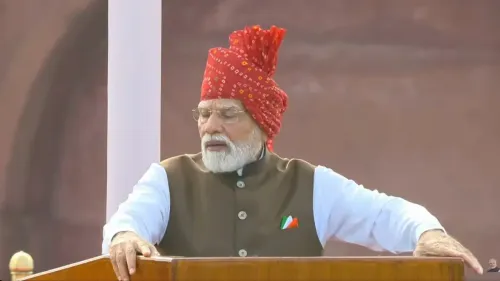
Union Labour and Sports Minister Mansukh Mandaviya on Friday, July 10, 2026, shared a statement from Prime Minister Narendra Modi announcing that India is set to host the 2030 Commonwealth Games and is actively pursuing the bid to host the 2036 Olympic Games, with plans for mega-scale sports infrastructure development to support both events.
Context
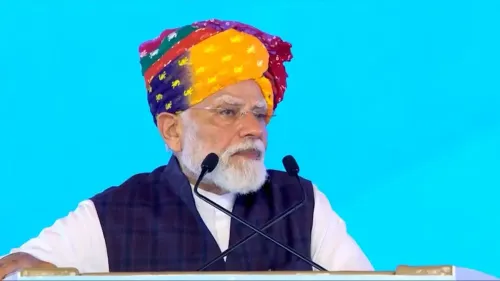
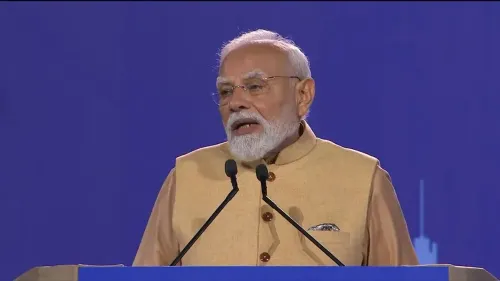
Quoting PM Modi directly, Minister Mandaviya shared: '2030 mein Bharat Commonwealth Games ki mezbani karne ja raha hai' ('India is going to host the Commonwealth Games in 2030'), adding that efforts are underway to bring the 2036 Olympics to India as well. The post, shared on the minister's official X account, signals the government's intent to position India as a premier destination for global sporting events.
India last hosted a major multi-sport international event when New Delhi staged the 2010 Commonwealth Games, a milestone that accelerated urban infrastructure development in the capital. The current announcement represents the most ambitious sporting calendar India has publicly committed to in its history.
Policy Backdrop
The push for global sports hosting is anchored in a broader policy architecture built over the past decade. The Khelo India scheme, launched in 2017, has been the cornerstone of grassroots sports development, funding stadia, academies, and talent identification pipelines across states. Alongside it, the Target Olympic Podium Scheme (TOPS), introduced in 2014, has channelled elite-level support to Indian athletes gunning for international medals.
The Sports Authority of India (SAI), the apex body overseeing athlete training and facility management, is expected to play a central role in planning and executing the infrastructure upgrades required for both events. PM Modi's statement specifically referenced 'mega scale' sports infrastructure, suggesting large-scale central investment is on the horizon.
Stakeholders and Impact
Indian athletes stand to benefit most directly, with world-class facilities likely to be constructed or upgraded in multiple cities. State sports departments will be key partners in identifying and developing venue cities, while infrastructure developers and construction firms are expected to see significant project pipelines emerge from the planning process.
Youth sports programmes under Khelo India could also receive a fillip, as hosting obligations typically require expanded grassroots and talent-development investment. The events carry substantial soft-power value for India, reinforcing its standing as a capable host of large-scale international gatherings — a narrative the government has actively cultivated through events such as the G20 Summit (2023) and the ICC Cricket World Cup (2023).
What's Next
Formal confirmation of the 2030 Commonwealth Games hosting will depend on the process and decisions of the Commonwealth Games Federation, while the 2036 Olympic bid remains subject to evaluation and award by the International Olympic Committee (IOC). India has previously expressed interest in the 2036 Olympics, and the government's public reaffirmation through a senior minister signals that the bid process is being treated as a priority.
Budget allocations for the required infrastructure, timelines for venue development, and the formal bid documents will be closely watched in the months ahead. If the bids succeed, India would become one of the few nations to host both the Commonwealth Games and the Olympics within a six-year window — a feat that would demand unprecedented coordination across central and state governments.
Point of View
A playbook India has refined since the 2010 Commonwealth Games. The emphasis on 'mega scale' infrastructure also serves a domestic political purpose: framing large capital expenditure on stadia and training centres as part of a national sporting renaissance rather than routine spending. Whether the bids convert into confirmed hosting rights will test the government's diplomatic bandwidth with the CGF and IOC in the near term.
NationPress
8 Oct 2026
Frequently Asked Questions
Is India confirmed to host the 2030 Commonwealth Games?
The Indian government has announced its intent to host the 2030 Commonwealth Games, with PM Modi quoted as saying India 'is going to host' the event. However, formal confirmation requires a decision by the Commonwealth Games Federation, and the official bid process is ongoing.
Is India bidding for the 2036 Olympics?
Yes. PM Modi, as quoted by Union Sports Minister Mansukh Mandaviya, stated that India is 'making efforts' to host the 2036 Olympic Games. The bid is subject to evaluation and award by the International Olympic Committee (IOC).
What sports infrastructure will India build for these events?
PM Modi's statement referenced 'mega scale' sports infrastructure development to support both the 2030 Commonwealth Games and the 2036 Olympics. Specific venues, cities, and budget allocations have not yet been announced publicly.
When did India last host the Commonwealth Games?
India last hosted the Commonwealth Games in 2010 in New Delhi . The event was a landmark in India's international sports hosting history and spurred significant urban infrastructure development in the capital.
What is the Khelo India scheme and how does it relate to these bids?
Khelo India is a central government scheme launched in 2017 to promote grassroots sports participation and build training infrastructure across India. It forms part of the broader policy foundation that the government says supports its ambition to host global events like the Commonwealth Games and Olympics.