Fuel prices up just 7% in India vs 50-70% globally, says Hardeep Puri
Synopsis
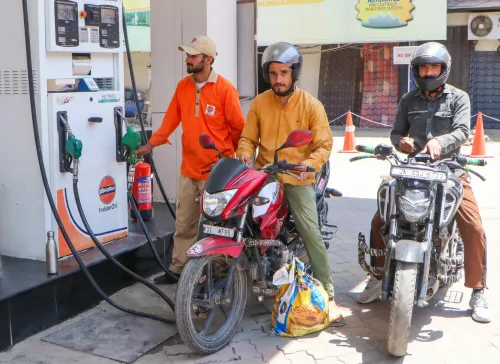
While global petrol and diesel prices jumped 50–70% over four years, India's rose just 7% — a gap that Petroleum Minister Hardeep Singh Puri attributes to three rounds of excise cuts and state oil companies absorbing losses. With Russia-Ukraine tensions and Iran-US-Israel frictions still live, Puri warns the challenge is far from over.
Key Takeaways
Petroleum Minister Hardeep Singh Puri said petrol and diesel prices in India rose only 7% over the four-year period ending 2026 , versus 50–70% in other countries.
The Centre cut central excise duty on fuel three times — in November 2021 , May 2022 , and 10 March 2026 .
State-run BPCL , IOCL , and HPCL absorbed significant losses to prevent steeper retail price hikes.
Puri dismissed opposition claims of an LPG shortage, saying daily LPG production rose from 34,000 metric tonnes to 55,000 metric tonnes .
Supplies are uninterrupted across all 1,07,000 retail outlets in the country.
The minister flagged ongoing geopolitical risks — Russia-Ukraine war and Iran-US-Israel tensions — as continuing threats to global crude prices.
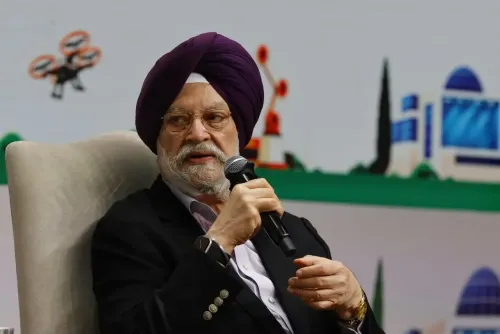
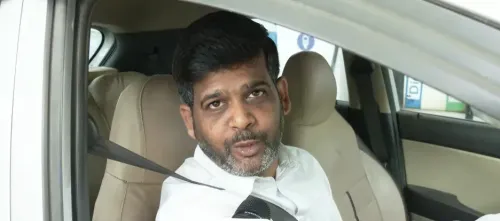
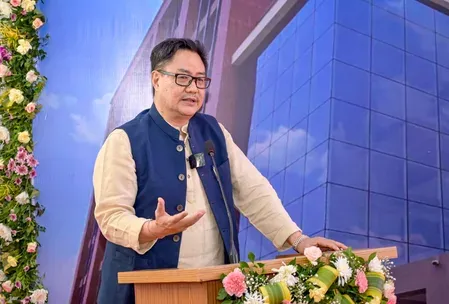
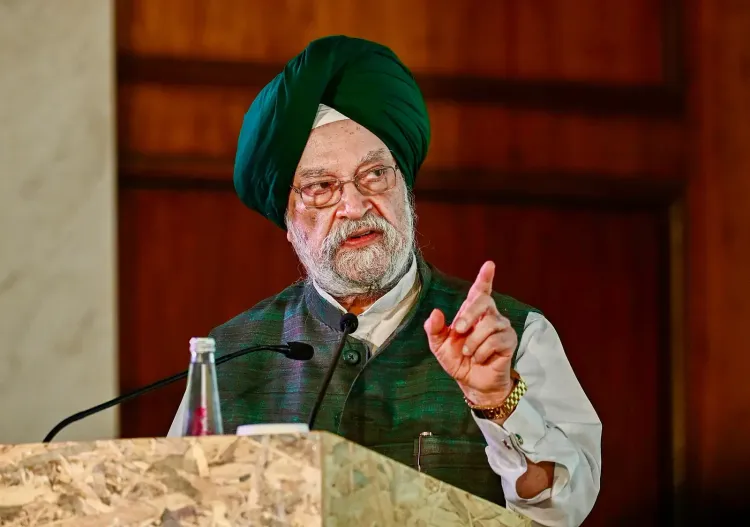
Petroleum and Natural Gas Minister Hardeep Singh Puri on Sunday, 22 November 2026, said that petrol and diesel prices in India rose by only 7% over the four-year period ending 2026, even as the same fuels surged by 50–70% in most other countries during the same window. Puri made the remarks while speaking to journalists in Indore, attributing the relatively modest domestic increase to a combination of excise duty cuts and losses absorbed by state-run oil companies.
How India Kept Fuel Prices in Check
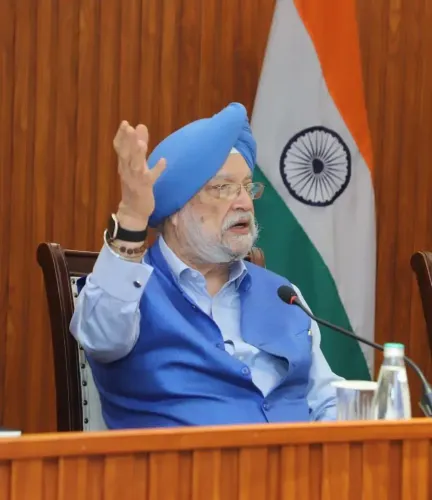
Puri credited the Centre's policy interventions for the divergence. “The central excise duty has been reduced three times: in November 2021, May 2022, and on March 10, 2026,” he said, adding that the cuts were driven by what he called the Prime Minister's “hands-on policy” on energy pricing.
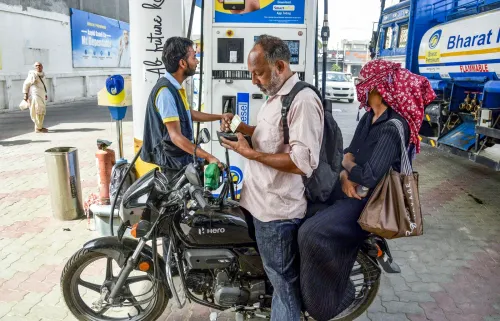
Alongside the excise reductions, public sector oil marketing companies (OMCs) — including Bharat Petroleum Corporation Limited (BPCL), Indian Oil Corporation Limited (IOCL), and Hindustan Petroleum Corporation Limited (HPCL) — reportedly absorbed significant losses rather than passing the full cost of elevated global crude prices on to consumers. “They absorbed significant losses and operated at a deficit,” Puri said.
Minister Dismisses LPG Shortage Claims
Puri also pushed back against what he described as opposition-spread rumours of an LPG shortage. He said domestic oil companies had scaled up daily LPG production from 34,000 metric tonnes to 55,000 metric tonnes, and that supplies remained uninterrupted across all 1,07,000 retail outlets nationwide.
“Some political opponents tried to spread major rumours; during the last Parliamentary session, they even greeted me carrying cutouts of gas cylinders, claiming there would be a massive shortage and that LPG cylinders would run out. There was no shortage anywhere,” Puri remarked.
Geopolitical Risks Remain on the Radar
Despite the upbeat tone on domestic pricing, Puri acknowledged that the global energy outlook remains uncertain. He pointed to the ongoing Russia-Ukraine conflict and tensions involving Iran, the US, and Israel as live risks that could yet pressure crude oil prices upward.
“I am not speaking in the past tense, as if the matter is entirely behind us. We still face challenges... We hope that these tensions subside and that the price of crude oil decreases,” he said.
Context and What It Means for Consumers
The minister's remarks come at a time when global energy markets remain volatile, with crude prices fluctuating on geopolitical developments. India, as one of the world's largest importers of crude oil, is acutely sensitive to international price movements. Critics have previously argued that while retail prices were held steady, the fiscal burden on OMCs — and by extension, the government — was quietly deferred rather than eliminated. How the Centre manages this balance as geopolitical pressures persist will be closely watched in the months ahead.
Point of View
IOCL, and HPCL, which absorbed losses that taxpayers ultimately backstop. The excise cuts also permanently narrowed the Centre's fiscal headroom. India's fuel pricing model has effectively traded a visible consumer shock for a less visible corporate and fiscal one. As geopolitical risks keep crude volatile, the question is not whether India can keep holding the line, but at what cumulative cost — and for how much longer.
NationPress
22 Nov 2026
Frequently Asked Questions
Why did India's petrol and diesel prices rise less than in other countries?
Petrol and diesel prices in India rose by only 7% over four years to 2026, compared with 50–70% globally, because the Centre cut central excise duty three times and state-run oil marketing companies absorbed losses instead of fully passing on higher crude costs to consumers.
When were the excise duty cuts on petrol and diesel implemented?
The central excise duty on petrol and diesel was reduced three times: in November 2021, May 2022, and on 10 March 2026, according to Petroleum Minister Hardeep Singh Puri.
Is there an LPG shortage in India?
No, according to Minister Hardeep Singh Puri. He dismissed shortage claims as opposition-spread rumours, saying daily LPG production has been scaled up from 34,000 metric tonnes to 55,000 metric tonnes, with supplies uninterrupted across all 1,07,000 retail outlets.
Which oil companies absorbed losses to keep fuel prices stable?
State-run oil marketing companies — BPCL, IOCL, and HPCL — reportedly absorbed significant losses by operating at a deficit, preventing steeper fuel price increases for Indian consumers.
What are the ongoing risks to India's fuel prices?
Minister Puri acknowledged that geopolitical tensions — including the Russia-Ukraine war and tensions involving Iran, the US, and Israel — continue to pose risks that could push global crude oil prices higher.