India among world's lowest fuel price nations, says Hardeep Puri
Synopsis
Petroleum Minister Hardeep Puri revealed just how much fuel prices could have risen — diesel by ₹54/litre, LPG by ₹495/cylinder — but didn't, thanks to government absorption. With LPG connections growing from 13 crore to 32 crore since 2014 and global energy markets still volatile, the Centre is making a pointed case that it, not consumers, took the hit.
Key Takeaways
Petroleum Minister Hardeep Singh Puri stated on 14 November 2026 that India provides fuel at one of the lowest prices in the world.
LPG connections have expanded from 13 crore in 2014 to over 32 crore , including more than 10 crore Ujjwala connections .
Diesel could have risen by ₹54/litre but increased by only ₹7/litre ; petrol by ₹7 instead of ₹19 .
LPG rose by ₹89 per cylinder against a potential ₹495 increase ; LNG by ₹10 instead of ₹25 .
Puri attributed the price protection to PM Modi's policy directive that the government and oil companies absorb global price pressures.
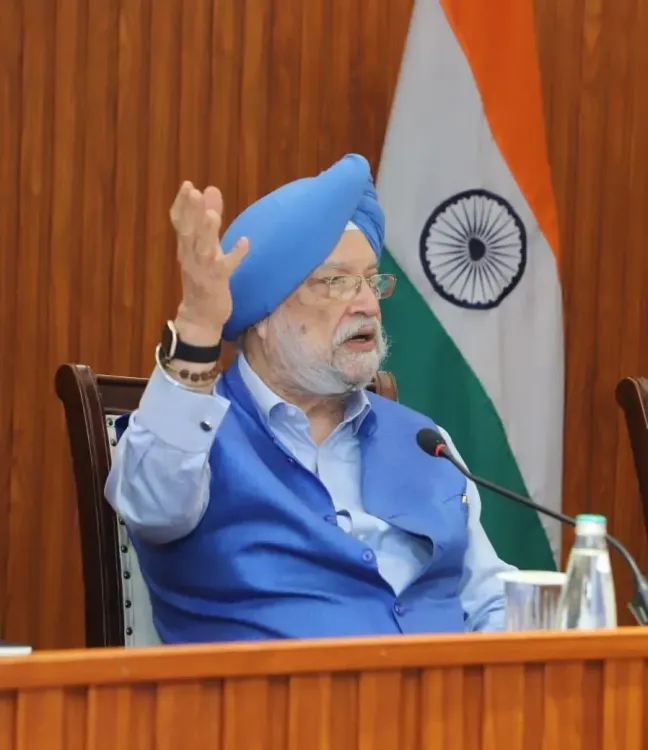
Union Minister for Petroleum and Natural Gas Hardeep Singh Puri on Saturday, 14 November 2026, stated that India continues to provide fuel to its citizens at one of the lowest prices in the world, crediting the policy direction of Prime Minister Narendra Modi for shielding ordinary households from global energy price shocks.
Meeting With LPG Distributors
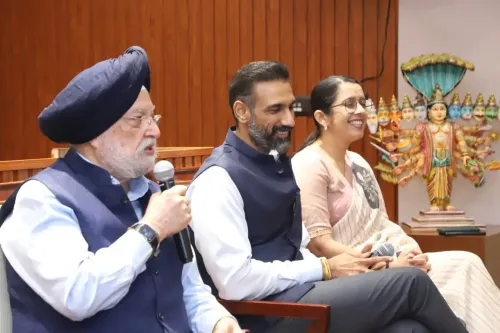
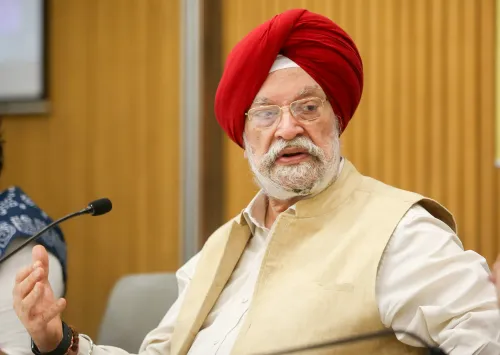
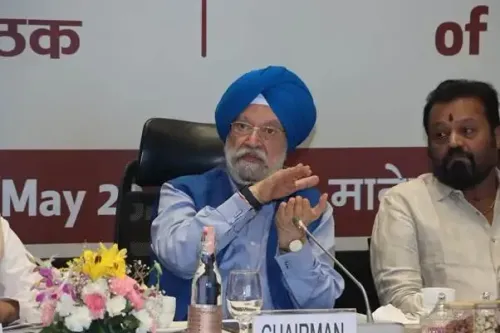
Puri made the remarks during a meeting with LPG distributors held at his official residence in New Delhi, where he heard their ideas and concerns about the country's energy distribution network. 'These dedicated professionals and their hard-working teams form the backbone of India's vast energy distribution network. For millions of households, they are the first point of contact with the energy sector, ensuring that every kitchen keeps running,' the minister said in a post on X.
Puri also highlighted what he described as the progressive outlook and commitment to service shown by LPG distributors. 'They have been valuable partners in India's energy transformation,' he added.
LPG Connections More Than Doubled Since 2014
The minister pointed to a significant expansion in cooking fuel access under the current government. LPG connections have grown from approximately 13 crore in 2014 to over 32 crore today, including more than 10 crore Ujjwala connections targeting poor and underprivileged households, Puri stated. He said domestic supplies have remained fully protected even as countries around the world faced energy emergencies and price shocks amid recent geopolitical challenges and global supply chain disruptions.
How Much More Expensive Fuel Could Have Been
In a separate post on X on Saturday, Puri laid out a pointed comparison between the actual fuel price increases and what consumers would have faced had global price pressures been passed on in full. According to the minister's figures, diesel rose by just ₹7 per litre instead of the potential ₹54 per litre, petrol increased by only ₹7 per litre against a possible ₹19 per litre, LPG went up by ₹89 per cylinder rather than the full ₹495 per cylinder, and LNG rose by just ₹10 instead of ₹25.
'If LPG had become ₹495 more expensive per household cylinder, how would millions of families have managed their kitchen budgets? If petrol had become ₹19 per litre more expensive, what a huge burden it would have placed on the common person's pocket!' Puri posted.
Government's Stated Priority: No Burden on Citizens
Puri articulated the government's declared position clearly: 'PM Modi's vision is clear — we will not let the burden of global price increases fall on the country's people; if necessary, the government and oil companies will shoulder it.' This framing places the cost absorption squarely with state-run oil companies, which critics have previously argued effectively defers losses rather than eliminates them. Notably, this comes amid continued pressure on public sector oil marketing companies, which have faced margin stress during periods of elevated global crude prices.
With fuel pricing remaining a politically sensitive issue ahead of multiple state elections, the government's messaging on insulating consumers from global energy volatility is expected to remain prominent in the months ahead.
Point of View
But the question mainstream coverage glosses over is who actually bore the cost. State-run oil marketing companies have faced significant margin stress during periods of elevated crude prices, and deferred losses eventually surface in balance sheets, borrowings, or under-investment in infrastructure. The 'we absorbed it' narrative is politically effective but incomplete without disclosing the cumulative fiscal or balance-sheet impact on public sector oil companies. With multiple state elections on the horizon, the government's messaging on fuel price insulation will intensify — but voters and analysts alike should ask where the bill ultimately lands.
NationPress
14 Nov 2026
Frequently Asked Questions
What did Petroleum Minister Hardeep Puri say about India's fuel prices?
Puri stated on 14 November 2026 that India continues to provide fuel to citizens at one of the lowest prices in the world, crediting PM Modi's policy of preventing global price increases from being passed on to consumers. He made the remarks at a meeting with LPG distributors in New Delhi and in posts on X.
By how much did the government absorb fuel price increases?
According to Puri, diesel was absorbed so that it rose only ₹7/litre instead of a potential ₹54/litre, petrol by ₹7 instead of ₹19, LPG by ₹89 per cylinder instead of ₹495, and LNG by ₹10 instead of ₹25. The government and oil companies reportedly shouldered the difference.
How many LPG connections does India have now compared to 2014?
India's LPG connections have grown from approximately 13 crore in 2014 to over 32 crore today, including more than 10 crore Ujjwala connections aimed at poor and underprivileged households, according to Puri.
What is the Ujjwala scheme mentioned by Hardeep Puri?
The Pradhan Mantri Ujjwala Yojana is a central government scheme that provides free or subsidised LPG connections to households below the poverty line, particularly targeting women in rural areas. Over 10 crore such connections have been issued under it, according to the minister.
Why does fuel pricing matter politically in India?
Fuel prices directly affect household budgets, farming costs, and transport expenses for millions of Indians, making them a highly sensitive electoral issue. The government's ability to insulate consumers from global price shocks is frequently cited as a governance benchmark, particularly ahead of state elections.