Puri: LPG below ₹950, PNG expanded to shield families
Synopsis
Union Petroleum Minister Hardeep Singh Puri says PM Modi's government averted a domestic cooking-gas crisis by keeping LPG below ₹950, subsidising Ujjwala cylinders under ₹650, and rapidly connecting over 11 lakh new homes to piped natural gas.
Key Takeaways
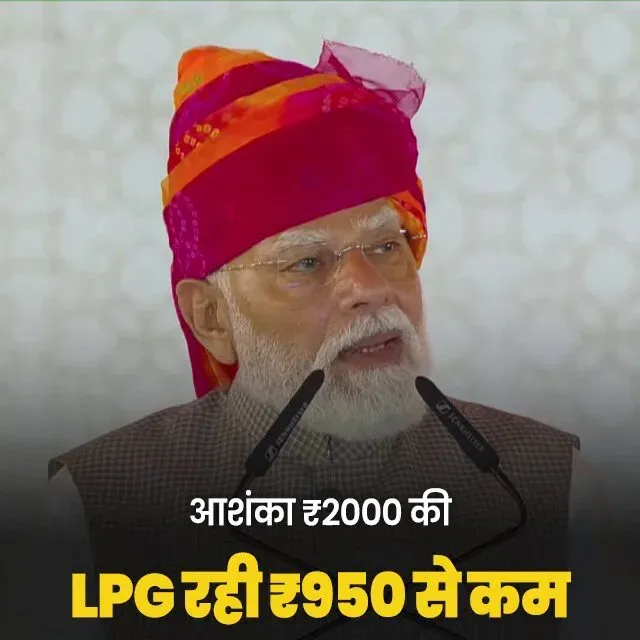
Minister Hardeep Singh Puri stated that global conditions had raised fears of domestic LPG cylinder prices reaching ₹2,000 .
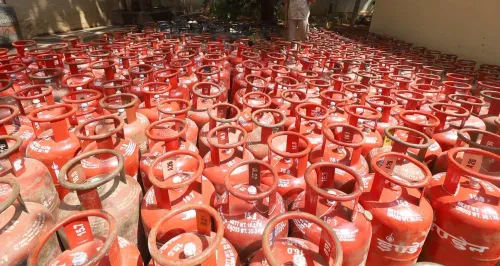
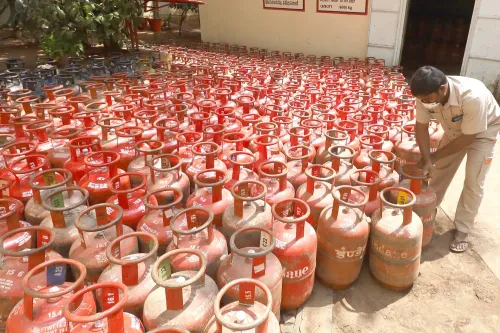
The government kept household LPG cylinders priced below ₹950 and Ujjwala Yojana cylinders below ₹650 .
More than 11 lakh new households were connected to Piped Natural Gas (PNG) to ease pressure on LPG supply.
Commercial LPG cylinder prices have also been reduced recently, benefiting small businesses and food establishments.
The Pradhan Mantri Ujjwala Yojana , launched in 2016 , remains central to India's clean cooking fuel access policy for below-poverty-line families.
India's CGD network expansion is a long-term strategy to reduce dependence on imported LPG and improve energy security.
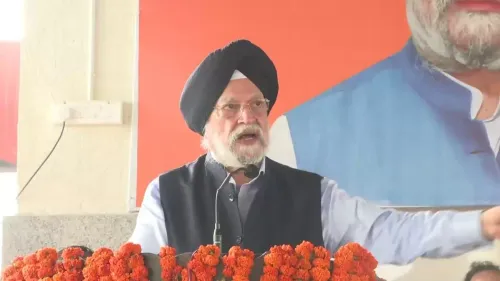
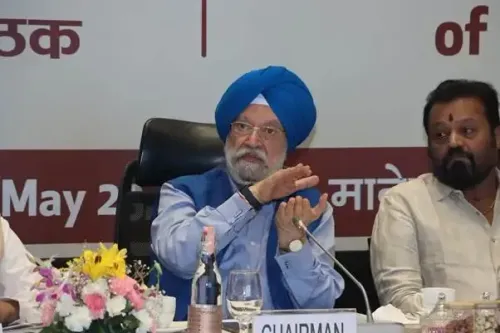
Union Petroleum Minister Hardeep Singh Puri on Saturday, 4 July 2026, credited Prime Minister Narendra Modi's government with preventing a domestic cooking-gas crisis, stating that proactive policy decisions kept household LPG prices below ₹950 even as global conditions threatened to push them to ₹2,000 per cylinder.
Context
In a post on X, Minister Puri wrote — 'ऊर्जा संकट केवल पेट्रोल-डीज़ल तक सीमित नहीं था, सबसे बड़ी चिंता देश की हर रसोई तक गैस पहुँचाने की थी' ['The energy crisis was not limited to petrol and diesel; the biggest concern was getting gas to every kitchen in the country']. He noted that experts had feared domestic LPG cylinder prices could reach ₹2,000, but timely and far-sighted decisions under PM Modi's leadership ensured that burden did not fall on Indian families.
Puri also highlighted that Ujjwala Yojana beneficiaries continue to receive cylinders at below ₹650, and that commercial LPG cylinder prices have also been reduced recently. The post was directed at both @narendramodi and @PMOIndia.
Policy Backdrop
The Pradhan Mantri Ujjwala Yojana, launched in 2016, extended LPG connections and subsidies to women from below-poverty-line households, aiming to wean them off traditional, polluting cooking fuels. The scheme has since become a flagship welfare measure for the Ministry of Petroleum and Natural Gas.
Alongside LPG subsidies, the government has aggressively expanded City Gas Distribution (CGD) networks to pipe natural gas directly into homes. According to Minister Puri's post, more than 11 lakh new households were connected to Piped Natural Gas (PNG) in a short span, helping balance energy supply and reduce sole dependence on LPG cylinders. India has pursued this LPG-to-PNG substitution partly to improve energy security and reduce the subsidy burden linked to imported liquefied petroleum gas.
The 2022 global energy price spike — triggered by the Russia-Ukraine conflict — placed severe pressure on LPG import costs worldwide. Several governments passed on those costs to consumers, but India's administration chose to absorb a significant portion through subsidies and supply-side interventions.
Stakeholders and Impact
The most direct beneficiaries of the pricing policy are the crores of households enrolled under Ujjwala Yojana, predominantly rural women who switched from firewood and biomass to clean cooking fuel. For them, the sub-₹650 price point is critical to sustained adoption of LPG.
Urban households connected to PNG networks benefit from price stability independent of LPG import fluctuations, since piped gas is sourced domestically or under longer-term contracts. The addition of over 11 lakh new PNG connections, as stated by the minister, represents a structural shift in how urban India accesses cooking energy.
Commercial establishments — restaurants, hotels, and small food businesses — stand to gain from the recent reduction in commercial LPG cylinder prices, lowering their operational costs.
What's Next
The government's stated ambition is to deepen CGD coverage across more cities and districts through successive bidding rounds, which would further reduce pressure on the LPG supply chain. Any revision in LPG subsidy allocations in the next Union Budget cycle will be closely watched by welfare economists and consumer groups.
With global energy markets remaining volatile, the balance between import-linked LPG pricing and the domestic PNG rollout will continue to define India's household energy security strategy — and the political narrative around it — in the months ahead.
Point of View
000 cylinder, the messaging sharpens the contrast between what could have happened and what the government claims it prevented. The simultaneous emphasis on Ujjwala Yojana pricing and PNG expansion signals a two-track strategy: protecting the rural poor through subsidies while building structural alternatives for urban households. This fits a broader BJP pattern of converting welfare delivery into durable political capital ahead of budget and election cycles.
NationPress
3 Oct 2026
Frequently Asked Questions
What is the current price of a domestic LPG cylinder in India in 2026?
According to Union Petroleum Minister Hardeep Singh Puri, domestic LPG cylinders are available for below ₹950 , and Ujjwala Yojana beneficiaries receive them at below ₹650 .
What is Pradhan Mantri Ujjwala Yojana and who benefits from it?
Pradhan Mantri Ujjwala Yojana is a central government scheme launched in 2016 that provides subsidised LPG connections and cylinders to women from below-poverty-line households, helping them shift from traditional cooking fuels to clean cooking gas.
Why did the government expand PNG connections instead of relying only on LPG?
The government expanded Piped Natural Gas (PNG) connections to reduce sole dependence on imported LPG, improve energy security, and ease pressure on the LPG supply chain, especially during periods of global price volatility.
How many new homes were connected to PNG recently in India?
Minister Puri stated that more than 11 lakh new households were connected to PNG in a short period as part of the government's City Gas Distribution expansion drive.
Has the price of commercial LPG cylinders been reduced recently?
Yes, Minister Hardeep Singh Puri confirmed in his post that commercial LPG cylinder prices have been reduced recently, which benefits restaurants, hotels, and small food businesses.