Puri: India shielded citizens from global energy crisis
Synopsis
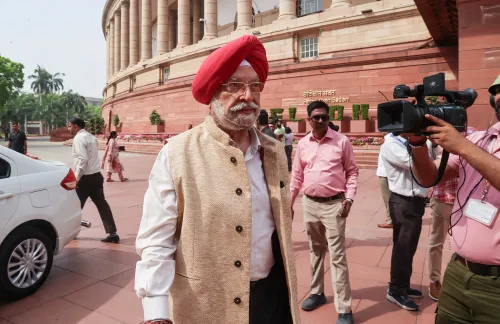
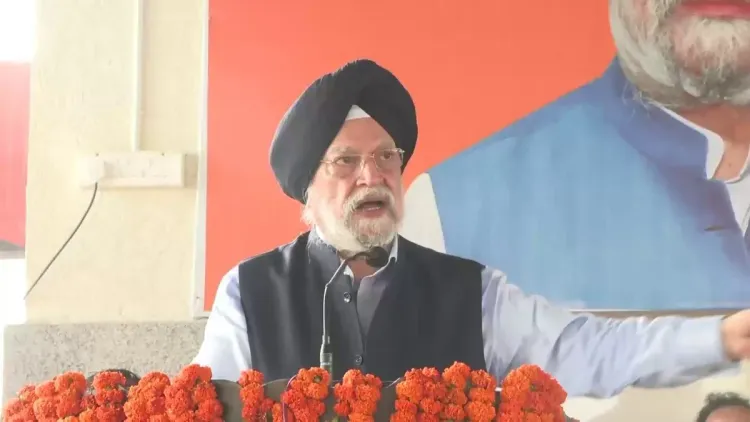
Union Petroleum Minister Hardeep Singh Puri has credited PM Modi's government with shielding Indian consumers from the global energy crisis through excise duty cuts of up to ₹10 per litre on petrol and diesel, and maintaining uninterrupted LPG supply to households.
Key Takeaways
Minister Puri posted on 1 August 2026 defending India's energy crisis management under PM Narendra Modi .
The government claims it reduced central excise duty on petrol and diesel by up to ₹10 per litre to cushion consumers from global crude price surges.
In May 2022 , the Centre cut excise on petrol by ₹8 per litre and diesel by ₹6 per litre following the Russia-Ukraine conflict-driven price spike.
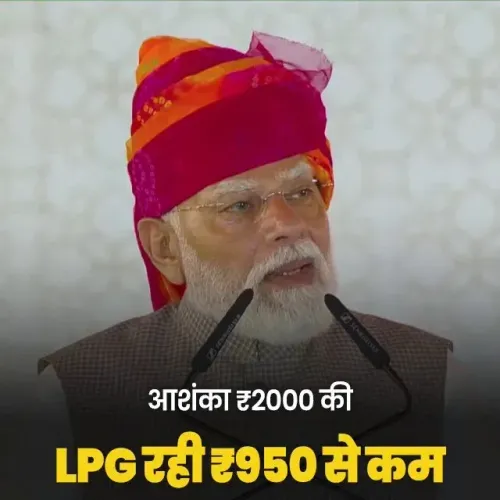
Puri asserts that no LPG shortage was allowed to occur, protecting households — including Ujjwala Yojana beneficiaries — from supply disruptions.
India's approach contrasts with fuel rationing and heavy price increases seen in several other nations during the same period.
Future excise or GST rate changes on fuels will be benchmarked against this claimed record of consumer protection.
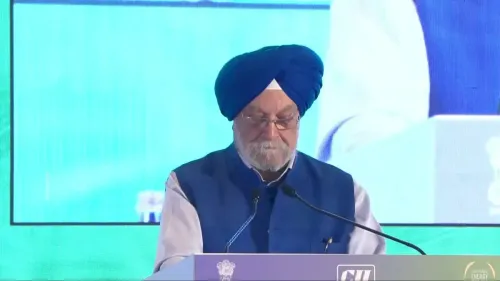
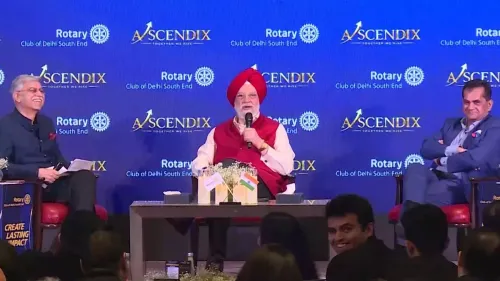
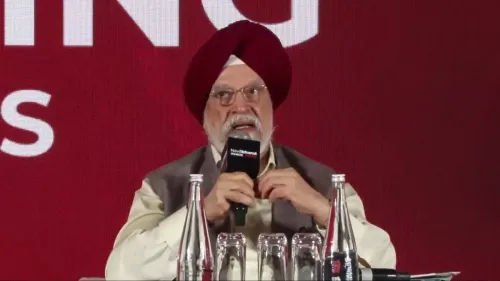
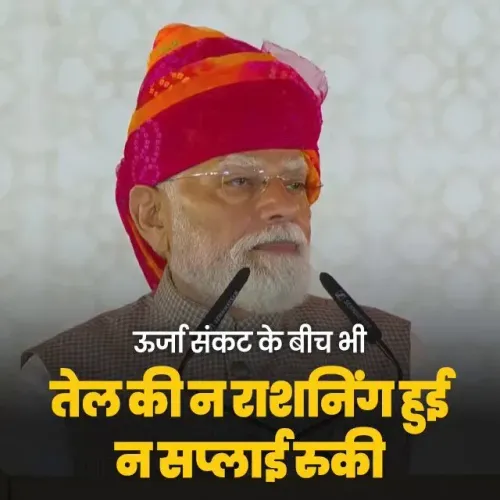
When the world was reeling from an unprecedented energy crisis, Union Petroleum Minister Hardeep Singh Puri says India chose foresight over panic — and the numbers he cites make the case sharply. In a post on Saturday, 1 August 2026, Puri argued that while nations across the globe scrambled with fuel shortages, rationing, and punishing price spikes, Indian households never faced an LPG crunch and were largely insulated from the worst of the global storm.
Posting in Hindi, the minister wrote: 'जब दुनिया अभूतपूर्व ऊर्जा संकट से जूझ रही थी, तब भारत ने घबराहट नहीं, बल्कि दूरदर्शी नेतृत्व और मजबूत तैयारी का परिचय दिया' — 'When the world was grappling with an unprecedented energy crisis, India demonstrated not panic, but visionary leadership and strong preparedness.' He credited Prime Minister Narendra Modi with repeatedly cutting central excise duty to prevent global crude price shocks from landing directly on ordinary citizens.
The excise cuts that cushioned the blow
The most concrete claim in Puri's post: the Modi government reduced excise duty on petrol and diesel by up to ₹10 per litre. That figure tracks with the documented policy trajectory. In May 2022, as crude prices surged in the wake of the Russia-Ukraine conflict, the Centre cut excise duty on petrol by ₹8 per litre and on diesel by ₹6 per litre — among the steepest single-step reductions in recent memory. The move was explicitly designed to arrest retail price inflation at the pump without forcing public-sector oil marketing companies to absorb unsustainable losses.
India's practice of deploying excise and customs duty adjustments as a shock absorber is not new — successive governments have reached for the same lever during price spikes. What the Modi administration claims as distinctive is the scale and speed of the response during the 2022 commodity surge, when Brent crude briefly crossed $130 per barrel.
LPG supply: the political and social stakes
Puri's specific mention of LPG is telling. Cooking gas is not just an economic variable in India — it is a welfare metric. The Pradhan Mantri Ujjwala Yojana, which brought LPG connections to over 100 million low-income households, made uninterrupted supply a political and social commitment as much as a logistics one. Any shortage would have hit the most vulnerable beneficiaries hardest. The minister's assertion that 'no LPG shortage was allowed to occur' positions the government's supply management as a direct extension of that welfare promise.
The contrast Puri draws is pointed: European nations rationed energy, some Asian economies saw fuel queues, and several developing countries were forced into painful subsidy cuts under IMF pressure. India, he argues, held the line — not through luck, but through deliberate policy architecture.
Why this argument resurfaces now
With global energy markets still volatile and the next Union Budget cycle approaching, the minister's framing is clearly intended to anchor the government's energy record in public memory. Any revision to central excise rates on fuels — upward or downward — in the coming budget or at a GST Council meeting will be measured against exactly the benchmark Puri is now setting. The government is, in effect, writing its own scorecard.
India navigated the worst global energy crisis in a generation without the rationing or price chaos that scarred other economies. Whether that record holds as crude markets shift again is the question the next budget will have to answer.
Point of View
Where any upward revision to fuel excise could invite charges of hypocrisy. The invocation of LPG supply continuity is strategically significant: it ties petroleum policy directly to the Ujjwala welfare brand, making any future supply disruption doubly costly politically. The 'visionary leadership' framing positions Modi personally as the architect of price stability, a posture that will intensify scrutiny of any future fuel price hike. Crucially, the claim of ₹10 per litre in total cuts — slightly above the verified May 2022 figures — suggests the minister is aggregating multiple rounds of adjustments, a number that deserves independent verification.
NationPress
16 Sept 2026
Frequently Asked Questions
Did India reduce excise duty on petrol and diesel during the global energy crisis?
Yes. In May 2022 , the central government cut excise duty on petrol by ₹8 per litre and on diesel by ₹6 per litre to offset surging international crude prices. Minister Puri has cited a cumulative reduction of up to ₹10 per litre , which may include multiple rounds of adjustment.
Was there an LPG shortage in India during the 2022 global energy crisis?
Minister Puri has stated that India did not allow any LPG shortage to occur during the global energy crisis, ensuring uninterrupted cooking gas supply to households, including those covered under the Pradhan Mantri Ujjwala Yojana . This specific claim has not been independently verified from official consumption data.
What is the Pradhan Mantri Ujjwala Yojana and why does it matter here?
Pradhan Mantri Ujjwala Yojana is a central government scheme that provided free LPG connections to over 100 million low-income households. Uninterrupted LPG supply is critical to the scheme's beneficiaries, making supply continuity a key welfare and political metric for the government.
Why did global crude oil prices spike in 2022?
Global crude prices surged sharply in 2022 , with Brent crude briefly crossing $130 per barrel , primarily driven by supply disruptions and sanctions following Russia's invasion of Ukraine, which disrupted energy trade flows across Europe and Asia.
Could fuel excise duty be changed again in the next Union Budget?
Possible changes to central excise or VAT rates on petrol and diesel are expected to be watched closely in the next Union Budget and at forthcoming GST Council meetings. Any upward revision would be measured against the government's stated record of using excise cuts to protect consumers.