Fuel stayed affordable despite global turmoil, says Hardeep Puri at FICCI meet
Synopsis
India cut excise duties on fuel three times in four years — in November 2021, May 2022, and March 2026 — to keep petrol and diesel affordable despite global energy shocks including the Strait of Hormuz closure. Petroleum Minister Hardeep Puri says India's advance planning, expanded crude sourcing from 27 to 41 countries, and ramped-up LPG production insulated consumers from the worst of the turbulence.
Key Takeaways
Petroleum Minister Hardeep Singh Puri spoke at FICCI's Annual General Meeting in New Delhi on 19 November 2026 .
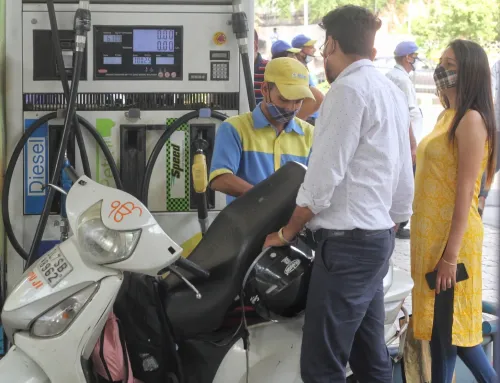
Excise duty on fuel was cut three times — November 2021 , May 2022 , and March 2026 — to shield consumers from global price volatility.
India's crude oil sourcing was expanded from 27 to 41 countries to reduce supply concentration risk.
Domestic LPG production rose from approximately 34,000 tonnes per day to 55,000 tonnes per day .
Peak refining capacity stands at around 267 million tonnes per annum .
Discussions among the US , Iran , and Gulf nations are underway to reopen the Strait of Hormuz , which India says it welcomes.
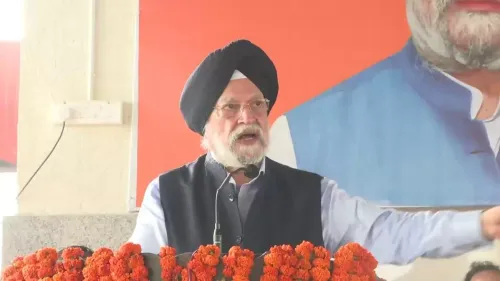
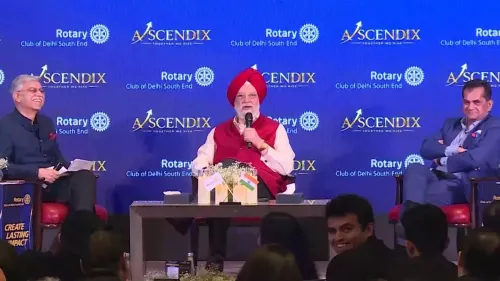
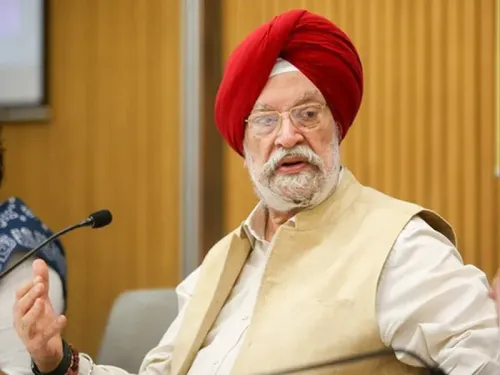
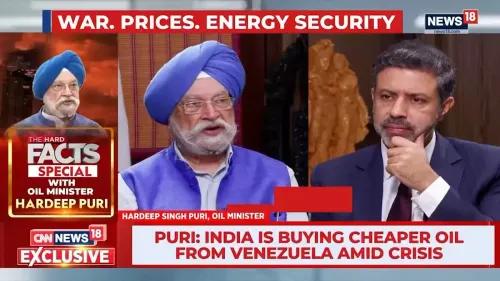
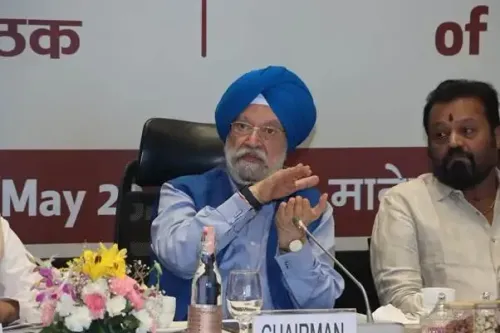
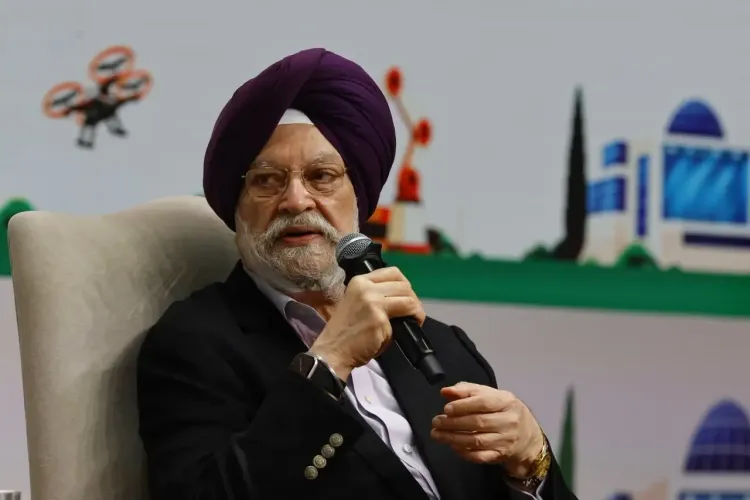
Union Petroleum and Natural Gas Minister Hardeep Singh Puri on Thursday, 19 November 2026 said India had successfully kept petrol and diesel affordable for consumers over the past four years through a series of strategic excise duty reductions, crediting coordinated policy decisions under Prime Minister Narendra Modi. Puri made the remarks while speaking to reporters on the sidelines of FICCI's Annual General Meeting and Annual Convention in New Delhi.
Excise Duty Cuts: The Timeline
Puri outlined three specific rounds of excise duty reductions — in November 2021, May 2022, and March 2026 — each timed to shield consumers from surging international crude oil prices. He argued that these interventions had ensured fuel remained accessible even as global energy markets remained volatile. The cuts represent one of the more visible fiscal tools the Centre has deployed to manage household energy costs during periods of international price stress.
Strait of Hormuz Disruption and India's Response
The minister directly addressed the disruption caused by the closure of the Strait of Hormuz on 28 February, describing it as a significant stress test for India's energy supply chains. He said the country's response was driven by advance planning, coordinated action across government departments, increased domestic production, and sustained engagement with energy suppliers worldwide.
'India's resilience in the face of such uncertainties is the result of decisions taken well in advance under the leadership of PM Modi. We anticipated the challenges and prepared for them,' Puri said.
Diversified Sourcing and Enhanced Capacity
Puri highlighted several structural improvements India had made to its energy infrastructure. He noted that crude oil sourcing had been expanded from 27 countries to 41 countries, LPG domestic production had been scaled up from approximately 34,000 tonnes per day to 55,000 tonnes per day, and peak refining capacity had been raised to around 267 million tonnes per annum. These figures, he said, underscored the depth of India's energy security preparations.
Global Diplomacy and Energy Flows
On the diplomatic front, Puri said discussions involving the United States, Iran, and Gulf nations were underway regarding the reopening and smooth functioning of the Strait of Hormuz. He said India welcomed all efforts aimed at restoring normal energy flows through the strategically critical waterway, which carries a substantial share of global oil shipments.
Make in India and the Road to Self-Sufficiency
'The momentum with which India's energy sector is moving towards self-sufficiency and the opportunities it is creating for collaborations and investments powered by the spirit of Make In India is definitely crafting a buzz in those associated with the sector,' Puri said, addressing the FICCI conference. The minister positioned India's energy trajectory as a model of proactive governance, though independent assessments of fuel price trends and fiscal cost of excise cuts have yet to be presented. All forward momentum in energy policy, he argued, would continue to be anchored to consumer affordability and national resilience.
Point of View
And the government is keen to frame that trade-off as consumer protection rather than electoral calculation. What is missing from this account is any independent audit of whether the duty cuts fully passed through to pump prices, or whether refinery and marketing margins absorbed part of the relief. The expansion of crude sourcing from 27 to 41 countries is a genuine structural achievement, but India's vulnerability to Hormuz disruptions remains structurally unchanged — a wider supplier base helps at the margin, but the chokepoint risk persists. The road to energy self-sufficiency Puri describes is real in ambition but long in execution; LPG production nearly doubling is notable, yet India's import dependence on crude remains well above 85 per cent.
NationPress
19 Nov 2026
Frequently Asked Questions
Why did India reduce excise duty on petrol and diesel?
The Centre reduced excise duty on petrol and diesel in November 2021, May 2022, and March 2026 to protect consumers from sharp rises in international crude oil prices. Petroleum Minister Hardeep Puri said these cuts were part of a deliberate strategy to keep fuel affordable during periods of global energy market volatility.
How did the Strait of Hormuz closure affect India's fuel supply?
The closure of the Strait of Hormuz on 28 February disrupted global energy supply chains, posing a direct challenge to India's crude imports. Puri said India's advance planning — including diversified sourcing from 41 countries and higher domestic production — helped the country manage the impact without a severe fuel shock.
How has India expanded its crude oil sourcing?
India has increased the number of countries from which it sources crude oil from 27 to 41, reducing its dependence on any single region or corridor. This diversification was cited by Puri as a key pillar of India's energy security strategy.
What is India's current LPG production and refining capacity?
Domestic LPG production has grown from around 34,000 tonnes per day to approximately 55,000 tonnes per day, while peak refining capacity has reached around 267 million tonnes per annum, according to Puri.
What is happening with the Strait of Hormuz diplomatically?
Puri said discussions involving the United States, Iran, and Gulf nations are ongoing regarding the reopening and stable functioning of the Strait of Hormuz. India has expressed its support for restoring normal energy flows through the waterway, which is critical to global oil shipments.