India moved 12+ LPG vessels through Hormuz toll-free, says Hardeep Puri
Synopsis
While the world scrambled during a near-four-month closure of the Strait of Hormuz, India quietly moved over 12 LPG tankers through the strait without paying tolls, reconfigured refineries that had never made cooking gas, and struck new supply deals with Algeria, Japan, Canada, and the US — lifting LPG output by more than 54% in days, according to Petroleum Minister Hardeep Singh Puri.
Key Takeaways
Petroleum Minister Hardeep Singh Puri says India moved more than 12 LPG vessels through the Strait of Hormuz without paying any tolls during the closure.
The Strait of Hormuz remained closed for nearly four months , which Puri called the largest energy disruption in modern history.
India reconfigured refineries within days, raising LPG production from 35 TMT to 54 TMT per day .
The government cut central excise duty on fuel by ₹10 per litre in March and mandated digital authentication for cooking gas to prevent black-market diversion.
Fresh LPG supply deals were struck with Algeria , Japan , and Canada ; additional cargoes were secured from the United States .
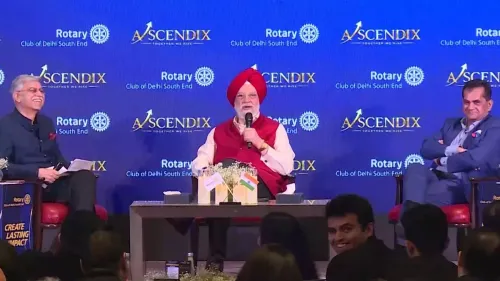
Union Petroleum Minister Hardeep Singh Puri on Monday, 29 June said India successfully moved more than 12 LPG vessels through the Strait of Hormuz without paying any tolls, and rapidly reconfigured domestic refineries to ramp up cooking gas output — steps he credited with shielding Indian consumers during what he described as the largest energy disruption in modern history.
The Hormuz Crisis and India's Response
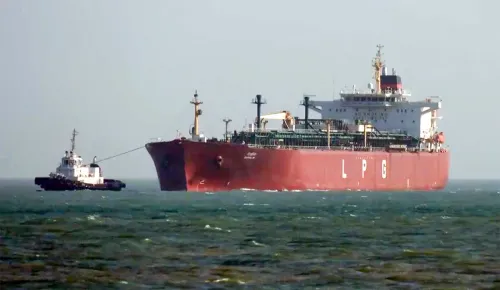
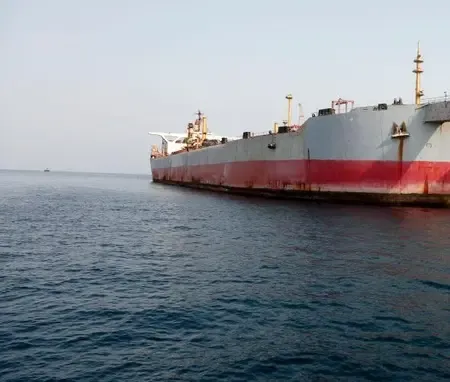
Puri said the closure of the Strait of Hormuz lasted for nearly four months, triggering a global energy emergency. Despite the severity of the disruption, India moved its LPG fleet through the strait without toll payments, according to the minister. 'Over 12 Indian LPG vessels were quietly moved out of Hormuz without paying any tolls,' Puri wrote in a post on social media platform X.
The government simultaneously diversified crude oil import sources, expanded energy infrastructure, and secured alternative LPG supplies from multiple countries to prevent domestic shortages.
Refinery Reconfiguration and LPG Output Surge
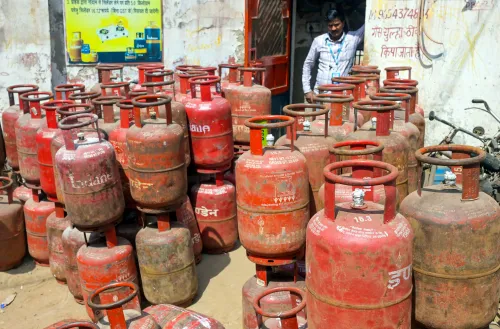
Among the most striking operational moves was the rapid reconfiguration of refineries that had never previously produced cooking gas. Within days, these facilities were repurposed, lifting LPG production from 35 thousand metric tonnes (TMT) per day to 54 TMT per day — a jump of more than 54%. The scale and speed of this turnaround, according to Puri, was central to keeping household cooking gas supplies stable.
Key Measures to Protect Consumers
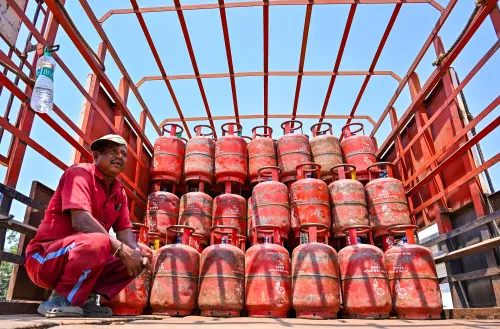
Beyond the supply-side interventions, the government introduced a ₹10-per-litre reduction in central excise duty on fuel in March as part of its crisis response. Puri also said digital authentication codes were made mandatory for cooking gas deliveries to prevent diversion by black marketeers. 'Cooking gas going to homes was protected in full and digital authentication code was made mandatory to prevent diversion of this precious supply by black marketers,' he said.
New Supply Arrangements with Algeria, Japan, Canada and the US
India established fresh LPG supply arrangements with Algeria, Japan, and Canada during the crisis, while additional cargoes were secured from the United States to meet domestic demand. The diversification of supply chains, Puri argued, was a key reason India avoided the price spikes and shortages seen elsewhere in the world.
The Broader Claim
'Even as the world faced one of the worst energy crises and disrupted supply chains, India under the leadership of PM Narendra Modi effectively shielded the energy consumers from any negative impact,' Puri said. The minister's remarks come as India positions its crisis management record as a model for energy security amid ongoing geopolitical volatility in the Middle East. Whether independent audits of the LPG production figures and toll-free transit claims will follow remains to be seen.
Point of View
Delivered via an X post rather than a formal parliamentary statement, raises questions that merit scrutiny. The claim that over 12 LPG vessels transited the Strait of Hormuz without toll payments during a four-month closure is significant — but no independent corroboration has been offered. The LPG production surge from 35 to 54 TMT per day is a verifiable metric that industry bodies and the Petroleum Planning and Analysis Cell could confirm; the government would strengthen its case considerably by publishing the underlying data. More broadly, India's ability to diversify energy supply chains under pressure is a genuine strategic achievement — but conflating operational logistics with a political narrative of 'zero impact on consumers' risks overstating outcomes at a time when fuel price pressures remain a live concern for households.
NationPress
27 Sept 2026
Frequently Asked Questions
What did India do during the Strait of Hormuz closure?
According to Petroleum Minister Hardeep Singh Puri, India moved more than 12 LPG vessels through the Strait of Hormuz without paying tolls, reconfigured domestic refineries to boost cooking gas output, and secured alternative LPG supplies from Algeria, Japan, Canada, and the United States. These steps were taken to ensure uninterrupted energy supply during the closure, which lasted nearly four months.
How much did India's LPG production increase during the crisis?
India's LPG production rose from 35 thousand metric tonnes (TMT) per day to 54 TMT per day after refineries that had never previously produced cooking gas were reconfigured within days, according to Puri. That represents an increase of more than 54% in daily output.
What consumer protection measures did the government take?
The government reduced central excise duty on fuel by ₹10 per litre in March and made digital authentication codes mandatory for cooking gas deliveries to prevent diversion by black marketeers. Puri said these measures ensured household cooking gas supplies remained fully protected throughout the disruption.
Which countries did India secure new LPG supplies from?
India established fresh LPG supply arrangements with Algeria, Japan, and Canada, and secured additional cargoes from the United States to meet domestic demand during the Strait of Hormuz closure.
How long was the Strait of Hormuz closed?
Petroleum Minister Hardeep Singh Puri said the Strait of Hormuz remained closed for nearly four months, which he described as the largest energy disruption in modern history. The strait is a critical chokepoint for global oil and gas shipments.