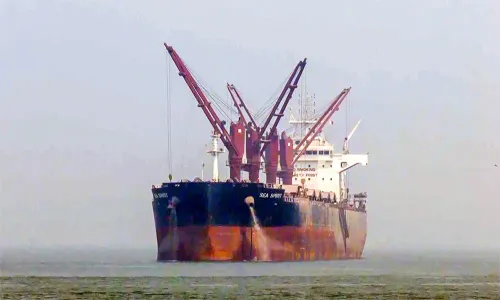
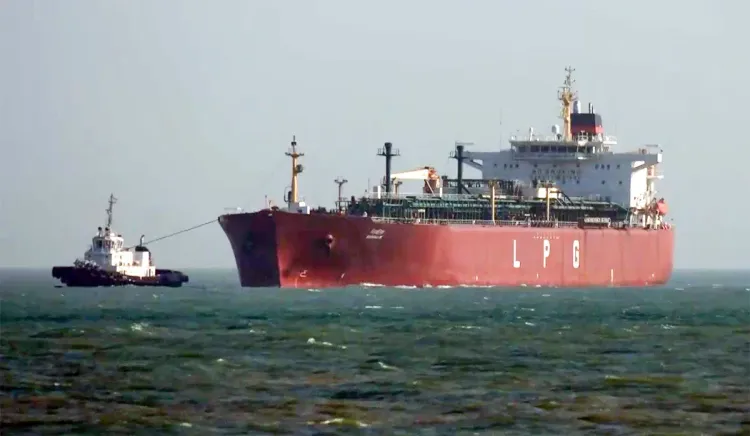
India-bound LPG vessels transit Strait of Hormuz amid US-Iran tensions
Synopsis
Two LPG tankers bound for Indian ports navigated the Strait of Hormuz while briefly going 'dark' — switching off their transponders — as US-Iran diplomacy collapsed, with Trump calling Tehran's peace proposal 'totally unacceptable'. India's cooking fuel supply chain is threading a needle through one of the world's most volatile maritime chokepoints.
Key Takeaways
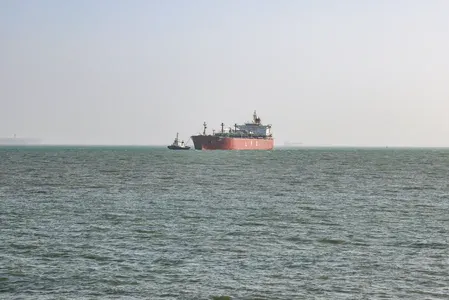
LPG carrier Symi transited the Strait of Hormuz on 14 May , heading from Qatar's Ras Laffan port to Kandla, Gujarat .
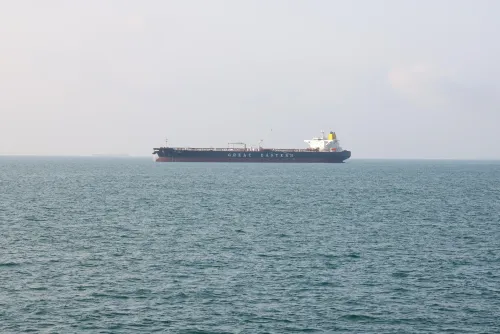
NV Sunshine , loaded with LPG from the UAE's Ruwais refinery , was last tracked heading to Mangalore .
Both vessels briefly switched off their AIS transponders during transit, a practice flagged by maritime trackers.
US President Donald Trump called Iran's peace proposal 'totally unacceptable', with ceasefire talks described as being 'on life support'.
Pakistan has reportedly been acting as a back-channel mediator between Tehran and Washington .
The Strait of Hormuz is a critical chokepoint for India's crude oil, LNG, and LPG imports from the Persian Gulf .
Two India-bound LPG vessels have successfully navigated the Strait of Hormuz despite escalating US-Iran tensions, according to reports, signalling a cautious resumption of energy shipments through one of the world's most critical maritime chokepoints. The transits, recorded on 14 May, come as diplomatic efforts between Washington and Tehran remain deadlocked.
The Two Vessels and Their Routes
The LPG carrier Symi emerged in the Gulf of Oman on Thursday after briefly switching off its Automatic Identification System (AIS) transponder during transit — a practice that has become increasingly common in the region amid security concerns. The vessel was transporting fuel cargo from Qatar's Ras Laffan port to Kandla in Gujarat.
A second vessel, NV Sunshine, reportedly went dark shortly after crossing the strategic waterway. Loaded with LPG from the United Arab Emirates' Ruwais refinery, it was last tracked heading towards Mangalore in India.
Why Transponders Were Switched Off
The temporary deactivation of transponders by both vessels has drawn attention from maritime trackers. While not uncommon in high-tension zones, such 'dark ship' behaviour raises monitoring concerns for insurers and port authorities. This comes amid a broader pattern of vessels reducing their digital footprint when transiting the Hormuz corridor during periods of geopolitical stress.
State of US-Iran Diplomacy
US President Donald Trump earlier this month described ceasefire efforts with Iran as being 'on life support', indicating that Tehran's response to a US-backed proposal had left both sides divided on several key issues. In a post on Truth Social, Trump said he had reviewed Iran's response — submitted through what he referred to as its representatives — and expressed sharp dissatisfaction, calling the proposal 'totally unacceptable'.
Iran reportedly conveyed its response to the latest US peace initiative through Pakistan, which has been acting as a back-channel mediator between Tehran and Washington. The stalled talks have kept the security calculus around the Hormuz corridor volatile.
Strategic Stakes for India
The Strait of Hormuz handles a significant share of global crude oil, liquefied natural gas (LNG), and LPG shipments, including a substantial portion of supplies destined for India. Any prolonged disruption to the waterway would directly impact India's cooking fuel supply chain, given its heavy dependence on Persian Gulf energy imports. The successful transit of both vessels, while reassuring, does not eliminate the underlying risk as long as US-Iran negotiations remain stalled.
Point of View
Not a resolution. The real story is structural: India's energy import dependency on the Persian Gulf means every spike in US-Iran tensions is also a risk event for Indian kitchens. Both vessels going 'dark' mid-transit is a symptom of a corridor that remains fundamentally insecure. With Trump declaring Tehran's proposal 'totally unacceptable' and Pakistan acting as a reluctant mediator, the diplomatic off-ramp looks narrow. India has no direct leverage here — its exposure is passive and large.
NationPress
20 Sept 2026
Frequently Asked Questions
Which India-bound vessels transited the Strait of Hormuz amid US-Iran tensions?
The two vessels are the LPG carrier Symi , carrying fuel from Qatar's Ras Laffan port to Kandla in Gujarat, and NV Sunshine , loaded with LPG from the UAE's Ruwais refinery and heading to Mangalore. Both transited the Strait of Hormuz on 14 May 2025, briefly switching off their transponders during the crossing.
Why did the vessels switch off their transponders in the Strait of Hormuz?
Both Symi and NV Sunshine temporarily deactivated their AIS transponders while transiting the Strait of Hormuz, a practice that has become more common in the region during periods of heightened geopolitical tension. The exact reason was not officially stated, but such 'dark ship' behaviour is typically linked to security concerns in high-risk maritime corridors.
What is the current status of US-Iran diplomatic talks?
US-Iran ceasefire negotiations are reportedly at a standstill. President Trump described the talks as being 'on life support' and called Iran's peace proposal 'totally unacceptable'. Iran reportedly conveyed its response through Pakistan, which has been acting as a back-channel mediator between the two sides.
Why does the Strait of Hormuz matter for India's energy supply?
The Strait of Hormuz is one of the world's most critical energy chokepoints, handling a major share of global crude oil, LNG, and LPG shipments. India depends heavily on Persian Gulf imports for its energy needs, meaning any disruption to the strait would directly affect domestic fuel supplies, including cooking gas.
What happens next if US-Iran tensions escalate further?
A further deterioration in US-Iran relations could increase security risks for commercial vessels transiting the Strait of Hormuz, potentially disrupting energy flows to India and other importing nations. Maritime insurers and port authorities are closely monitoring vessel movements in the corridor as diplomatic talks remain deadlocked.