India-linked LPG tanker Sarv Shakti crosses Strait of Hormuz amid US blockade
Synopsis
For the first time since a US-led blockade choked the Strait of Hormuz, an India-linked LPG tanker carrying 45,000 tonnes of cooking fuel has made it through. The Sarv Shakti's passage is a rare signal of movement at one of the world's most critical energy chokepoints — but whether it marks a reopening or a one-off remains an open question.
Key Takeaways
The Marshall Islands-flagged LPG tanker Sarv Shakti crossed the Strait of Hormuz on Saturday, carrying approximately 45,000 tonnes of LPG.
This is reportedly the first known transit by an India-linked tanker since a US-led blockade targeting Iran-associated vessels began weeks ago.
The blockade had reduced tanker traffic through the strait to near-zero levels , threatening India's LPG supply chain.
Last month, the LNG tanker Mubaraz also reportedly traversed the strait — the first LNG shipment since the West Asia conflict began on 28 February .
The Mubaraz had stopped transmitting signals around 31 March before reappearing west of India.
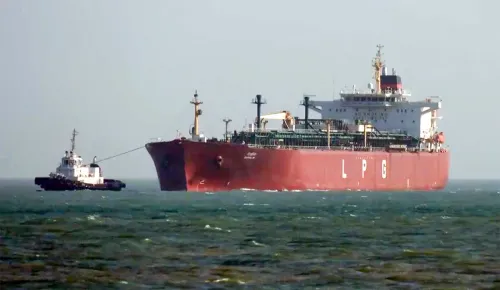
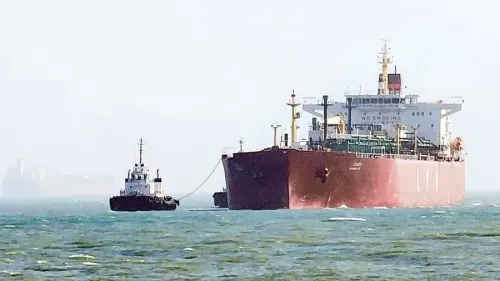
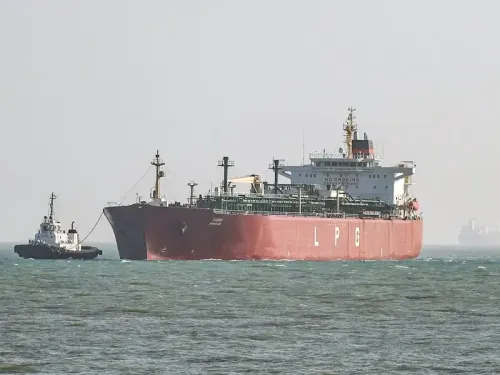
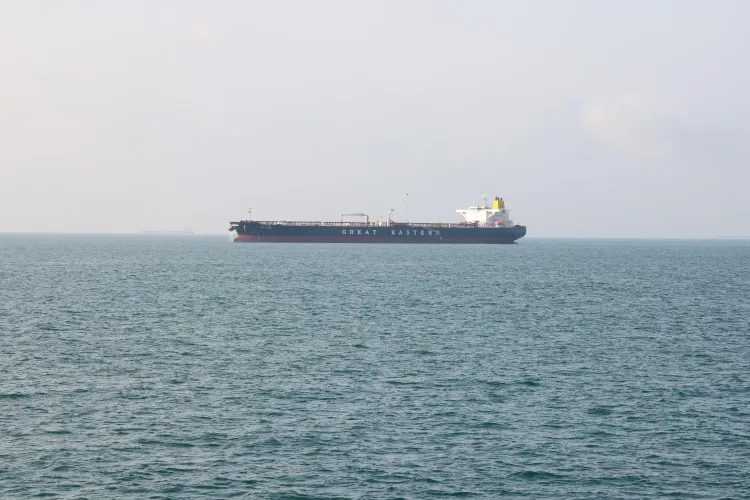
An India-linked liquefied petroleum gas (LPG) tanker has successfully crossed the strategically vital Strait of Hormuz, marking a rare transit amid heightened tensions and severe disruptions to global energy flows. The Marshall Islands-flagged vessel Sarv Shakti, carrying approximately 45,000 tonnes of LPG — commonly used as cooking fuel — was tracked moving into the Gulf of Oman after passing near Iran's Larak and Qeshm islands on Saturday, according to ship-tracking data.
Key Details of the Transit
The Sarv Shakti, classified as a very large gas carrier, is believed to be en route to India and has previously operated on routes between the Persian Gulf and Indian ports. The vessel is currently broadcasting its Indian destination and crew details — a safety protocol widely adopted by ships navigating the region since the outbreak of conflict involving Iran.
This transit is reportedly the first known passage by an India-linked tanker since a US-led blockade targeting ships associated with Iran began weeks ago. The restrictions had effectively reduced tanker traffic through the Strait of Hormuz to near-zero levels, severely disrupting one of the world's most critical energy corridors.
Significance of the Passage
The Strait of Hormuz is one of the world's most consequential energy chokepoints, through which a significant share of global LPG and crude oil supplies transit. The near-total disruption of tanker traffic through the strait since the US-led blockade began had raised alarm among energy-importing nations, with India — a major LPG consumer — among those most directly exposed.
The Sarv Shakti is also among the largest carriers to navigate the route since a brief and chaotic reopening of the strait last month, which was quickly followed by renewed restrictions, according to reports. This makes the vessel's passage particularly notable from an energy security standpoint.
Earlier LNG Transit Signal
The Sarv Shakti crossing follows an earlier development last month, when the first liquefied natural gas (LNG) shipment since the West Asia conflict began on 28 February appeared to have traversed the Strait of Hormuz. The LNG tanker Mubaraz — which loaded cargo from Abu Dhabi National Oil Company's (ADNOC) Das Island facility in early March — was tracked passing the southern tip of India, according to ship-tracking data.
The Mubaraz had reportedly remained idle inside the Persian Gulf for weeks and had stopped transmitting signals around 31 March, before reappearing west of India on Monday. Analysts noted that the vessel's reappearance signalled a potential, if fragile, breakthrough at the chokepoint.
What This Means for India's Energy Security
India is among the world's largest importers of LPG, which is used extensively as domestic cooking fuel under the Pradhan Mantri Ujjwala Yojana and related schemes. Prolonged disruptions to Persian Gulf supply routes pose a direct risk to domestic fuel availability and pricing. The successful passage of the Sarv Shakti offers a measure of relief, though energy officials and analysts caution that the strait's status remains volatile and that a single transit does not signal a full normalisation of traffic. All eyes will now be on whether the passage marks the beginning of a sustained reopening or remains an isolated event.
Point of View
But it does test the limits of the blockade — and that is precisely why the Sarv Shakti's passage matters beyond the cargo it carries. India's dependence on Persian Gulf LPG is structural, not incidental, and the near-total disruption of Hormuz traffic since the US-led restrictions began exposed just how thin the country's energy supply buffers are. The broader concern is that India has limited leverage over the geopolitical dynamics driving the blockade, yet faces maximum downstream exposure. If the strait does not normalise, the pressure on domestic LPG prices — and on the government's subsidised cooking fuel programmes — will become increasingly difficult to contain.
NationPress
5 Oct 2026
Frequently Asked Questions
What is the Sarv Shakti and why is its crossing significant?
The Sarv Shakti is a Marshall Islands-flagged very large gas carrier linked to India, carrying approximately 45,000 tonnes of LPG. Its crossing of the Strait of Hormuz is significant because it is reportedly the first such transit by an India-linked tanker since a US-led blockade began severely restricting tanker traffic through the strait weeks ago.
What is the US-led blockade at the Strait of Hormuz?
According to reports, a US-led blockade targeting ships associated with Iran began weeks ago and had effectively reduced tanker traffic through the Strait of Hormuz to near-zero levels. The strait is one of the world's most critical energy corridors, through which large volumes of global LPG and crude oil supplies pass.
Why does the Strait of Hormuz matter for India?
India is one of the world's largest importers of LPG, which is widely used as domestic cooking fuel. A significant share of India's LPG imports originate from Persian Gulf suppliers and transit through the Strait of Hormuz, making disruptions at the chokepoint a direct threat to domestic fuel supply and pricing.
What was the earlier LNG transit through the Strait of Hormuz?
Last month, the LNG tanker Mubaraz — which had loaded cargo from ADNOC's Das Island facility in early March — reportedly became the first LNG vessel to traverse the Strait of Hormuz since the West Asia conflict began on 28 February. The vessel had stopped transmitting signals around 31 March before reappearing west of India.
Does the Sarv Shakti's passage mean the Strait of Hormuz is fully open again?
Not necessarily. While the transit is a significant development, analysts caution that a single passage does not signal full normalisation. The strait had a brief and chaotic reopening last month before restrictions were renewed, and the geopolitical situation remains volatile.